Saudi Biennale Rewrites How We See Islamic Art History
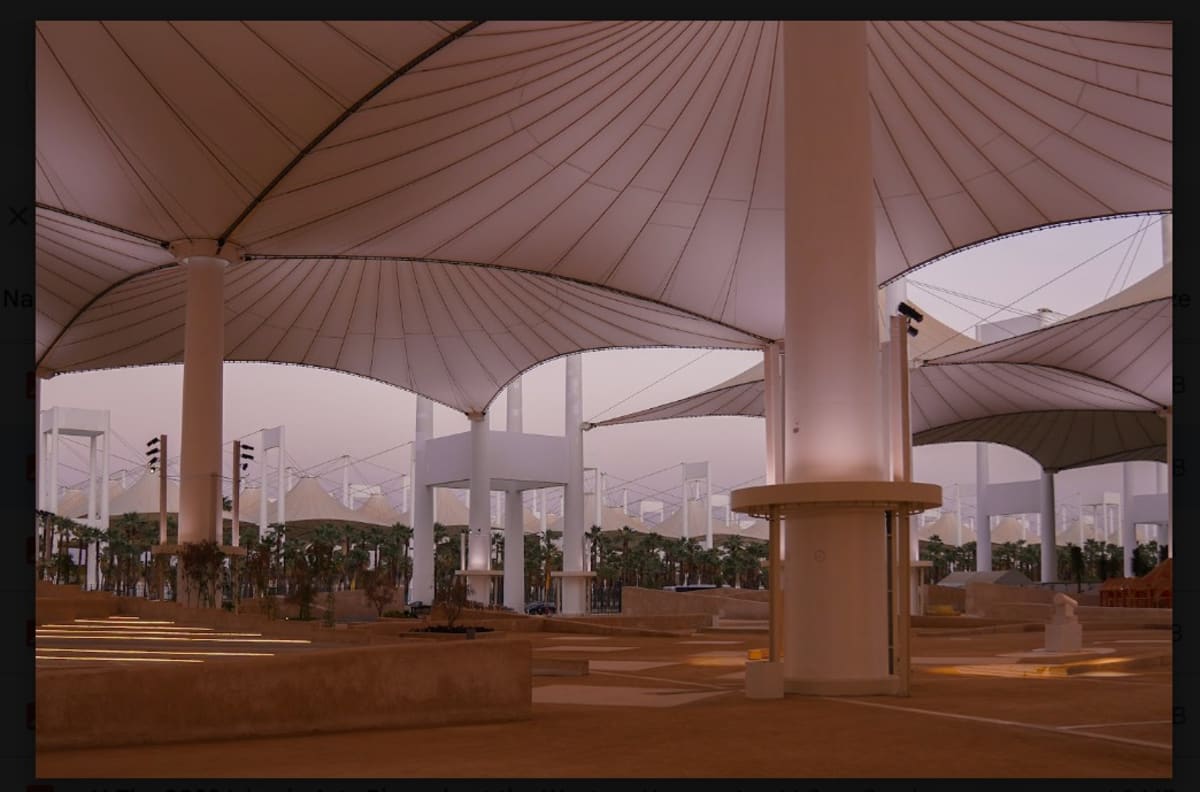
In a former pilgrims' terminal in Jeddah, a groundbreaking exhibition is challenging how centuries of Islamic art and culture are understood and shared. The 2027 Islamic Arts Biennale aims to move beyond traditional museum walls to create lasting knowledge exchanges across continents.
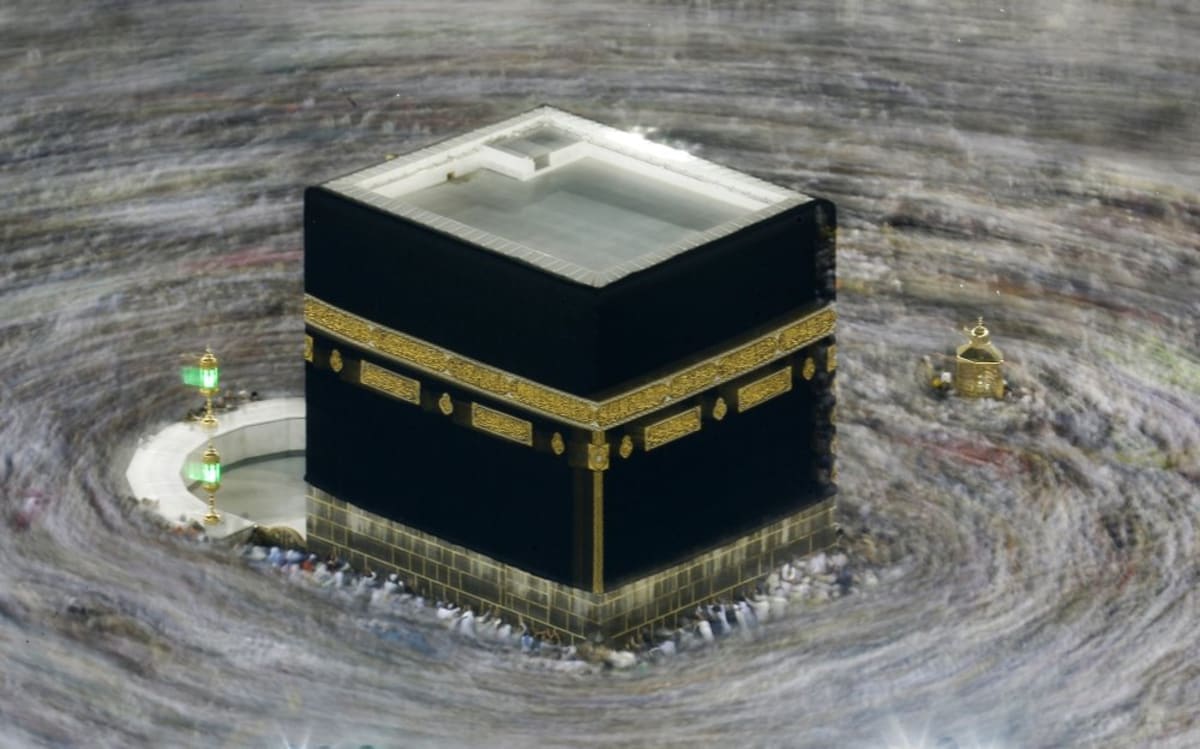
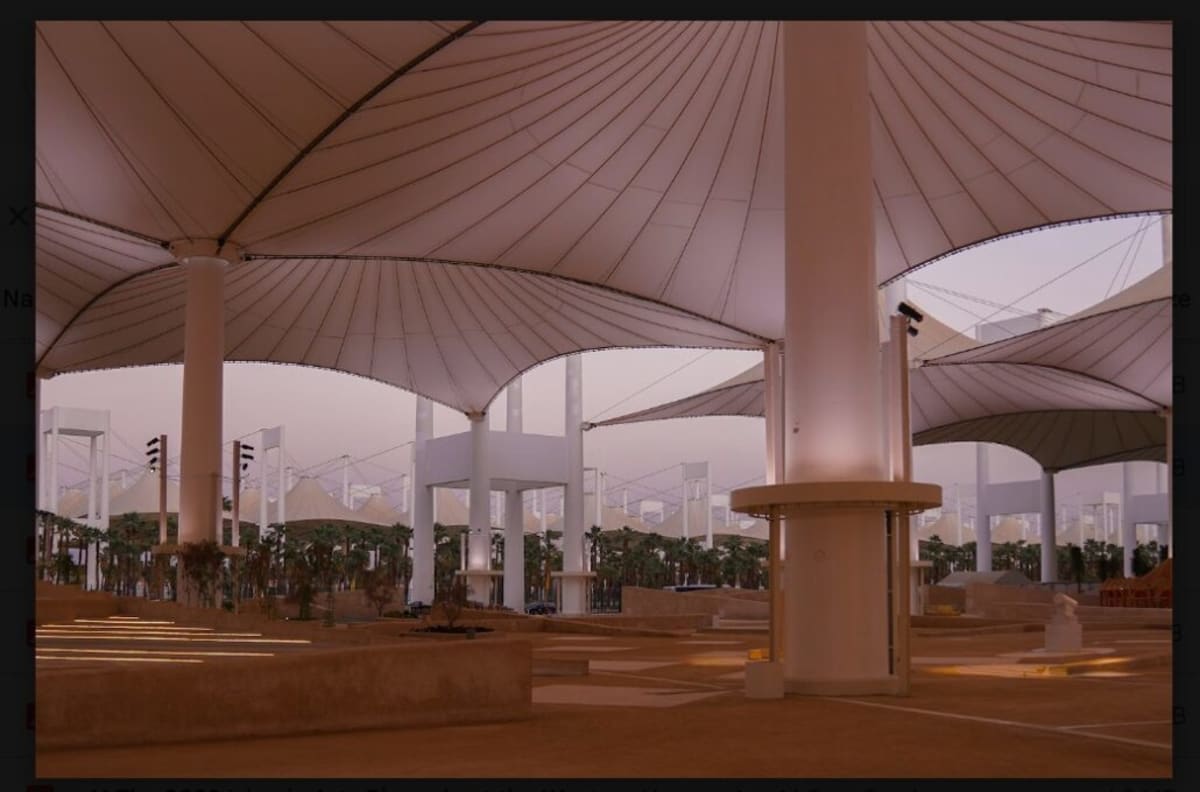
Inside a soaring terminal once built to welcome pilgrims to Makkah, something remarkable is taking shape that could transform how we understand 1,400 years of artistic heritage.
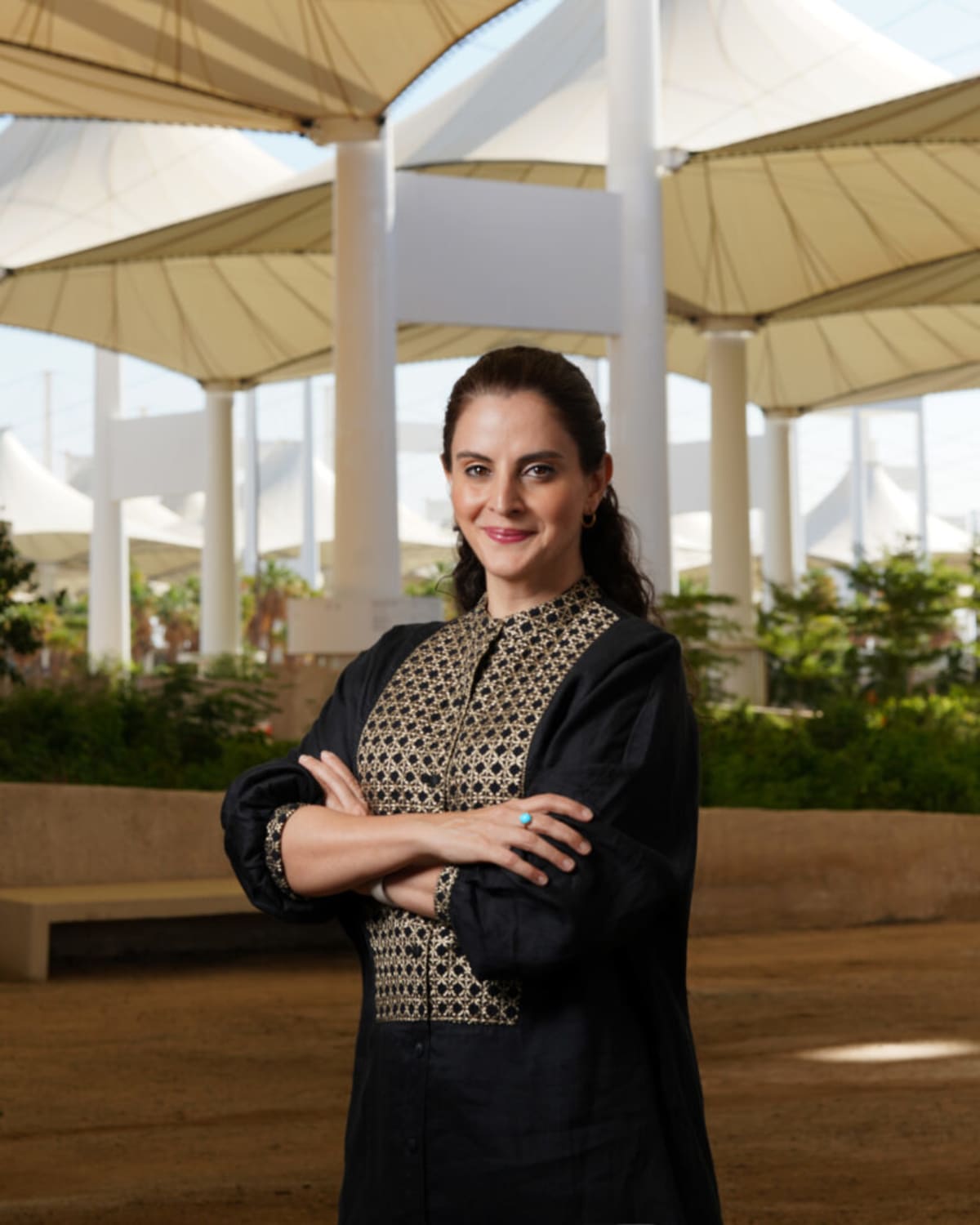
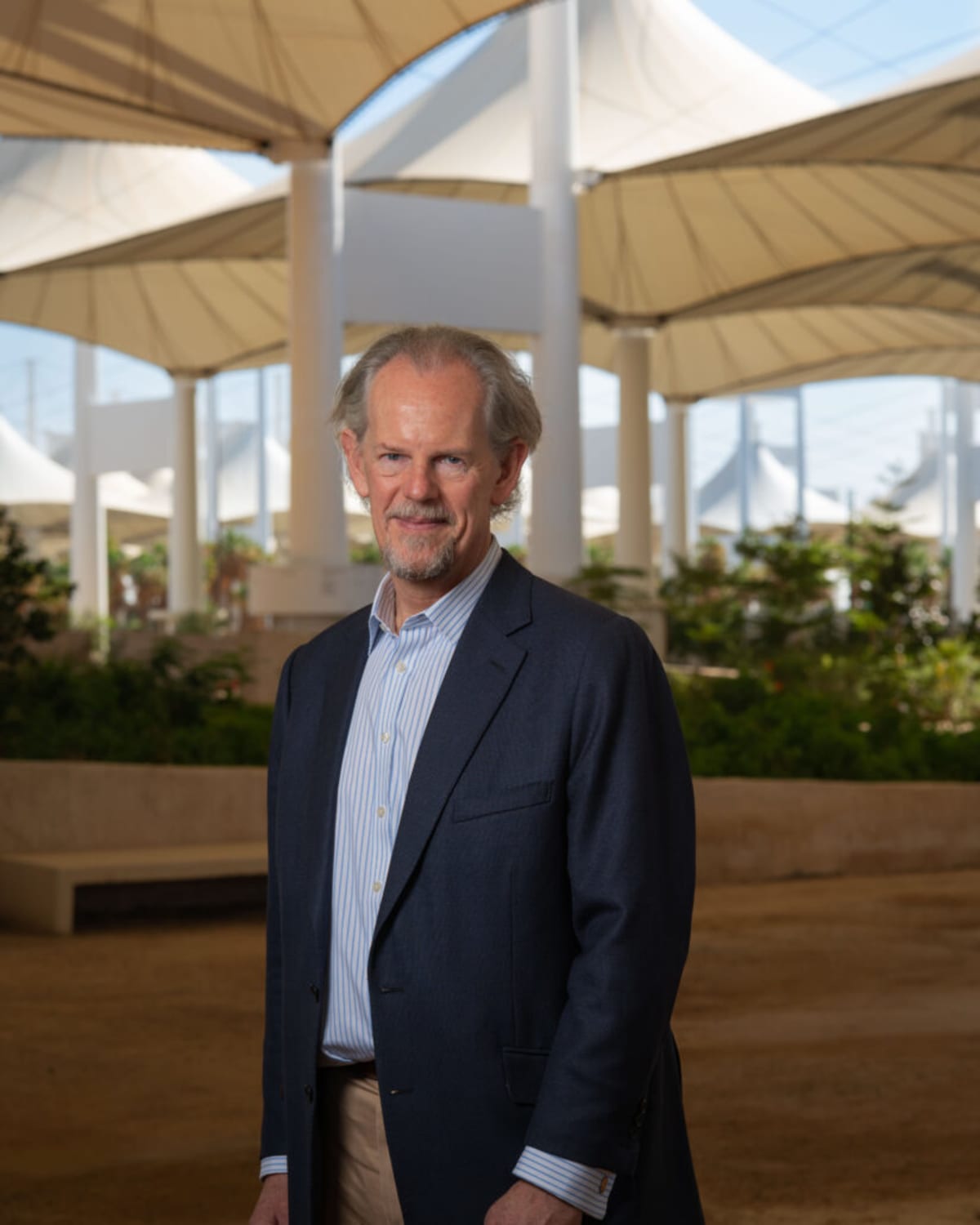
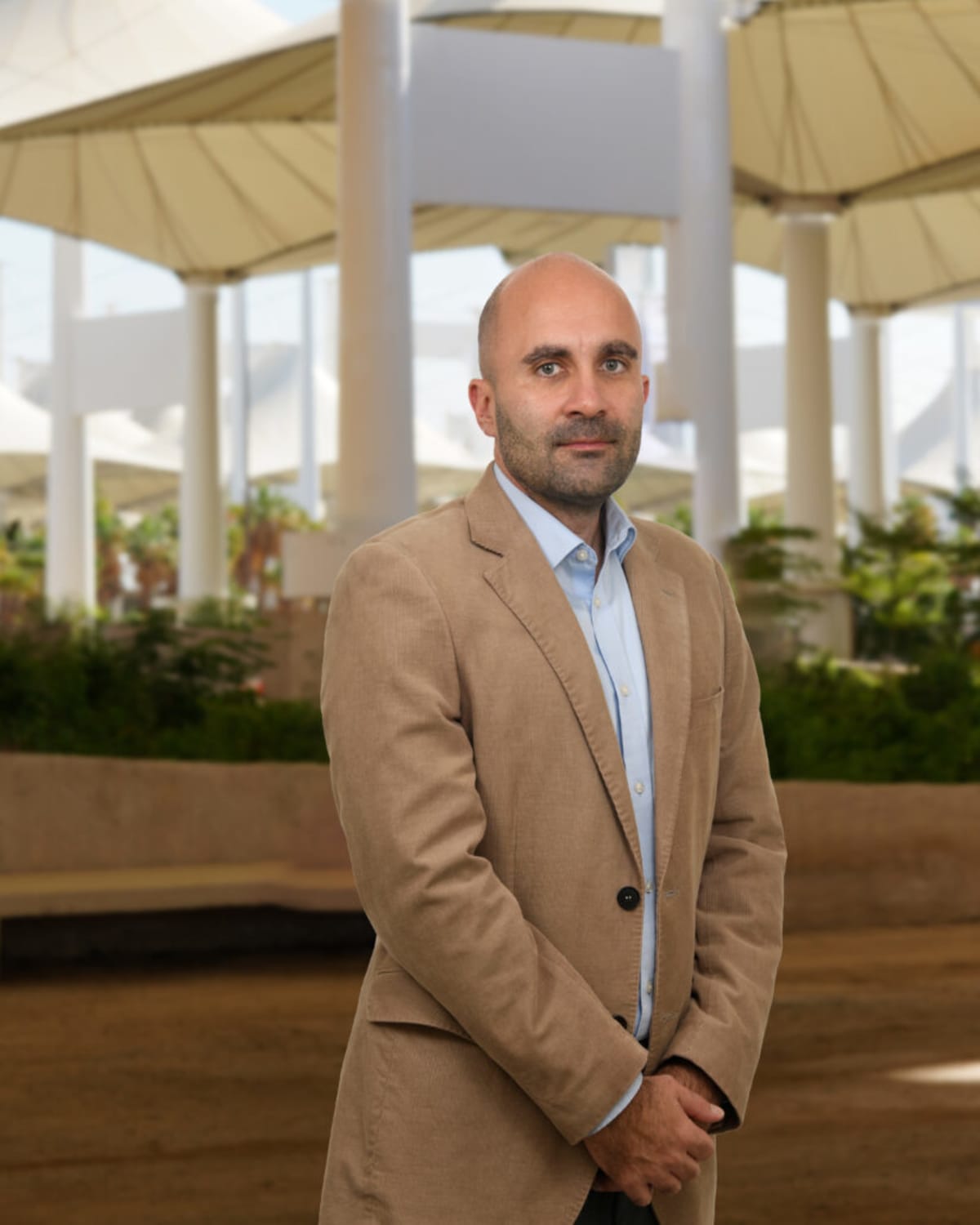
The Islamic Arts Biennale returns to Jeddah's Western Hajj Terminal in November 2027, but this time it's thinking bigger than just mounting another exhibition. Led by curators Alain Fouad George, Idries Trevathan, William Robinson, and Nada Raza, the third edition is building a platform for ongoing research and collaboration that continues long after visitors leave.
The challenge they're tackling is significant. Islamic art spans cultures from West Africa to Southeast Asia, yet most of its history has been defined by European and North American museums using Western classification systems.
The Biennale is flipping that script by placing 500-year-old manuscripts alongside contemporary commissions, bringing together faith, architecture, and lived experience in ways traditional museums rarely attempt.
At the heart of this transformation is AlMadar, or "The Orbit," a growing network connecting institutions with major Islamic art collections worldwide. Instead of just borrowing objects for temporary display, AlMadar is creating digital resources, research projects, and knowledge exchanges that give communities closer to these cultural histories a stronger voice in how they're told.
The location itself tells part of the story. Jeddah has connected the Arabian Peninsula to Africa and the Indian Ocean world through pilgrimage and trade for centuries, the same routes that shaped many of the artistic traditions the Biennale explores.
The Ripple Effect
The Biennale's impact extends into the physical world through the AlMusalla Prize, which invites architects to reimagine contemporary prayer spaces. The 2025 winner, On Weaving, was constructed from local date palm waste using traditional weaving techniques, serving as an actual functioning prayer space during the exhibition.
For 2027, the prize returns with an emphasis on sustainability and community use, proving that honoring cultural inheritance doesn't mean freezing it in the past.
Since launching in 2023 under South African architect Sumayya Vally, the Biennale has steadily expanded its ambition. The 2025 edition brought together more than 500 historical objects alongside contemporary works, blurring the line between art displayed behind glass and living cultural practice.
This November, when pilgrims and visitors alike pass through Jeddah's iconic terminal, they'll encounter a vision of Islamic culture that belongs not to any single nation or museum, but to the interconnected communities that created and continue to shape it.
More Images
Based on reporting by Regional: saudi arabia development (SA)
This story was written by BrightWire based on verified news reports.
Spread the positivity!
Share this good news with someone who needs it