Saudi Mangrove Forest Powers Eco-Tourism Boom
Al-Qandal Forest in Saudi Arabia's Farasan Islands is drawing thousands of nature lovers with its mangrove waterways, dolphin sightings, and birdwatching adventures. This thriving eco-tourism destination shows how protecting nature can fuel economic growth and community pride.
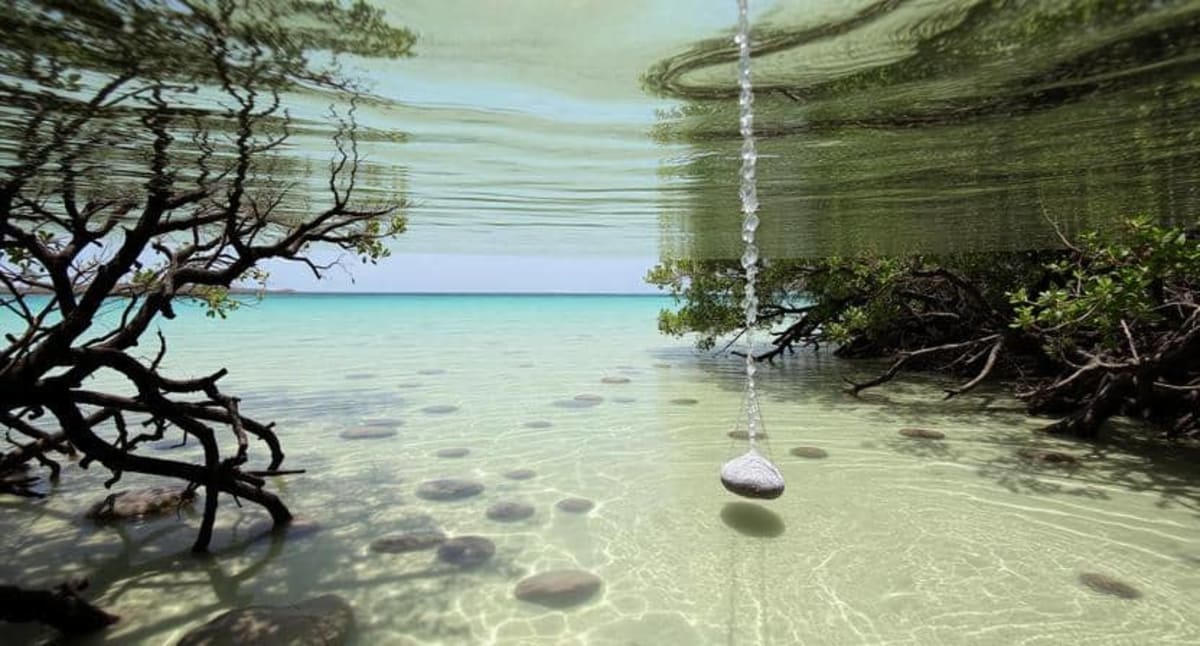
Picture gliding through calm waterways flanked by towering mangrove trees, watching dolphins leap in crystal-clear waters just meters from your boat. That's the magic happening right now at Al-Qandal Forest in Saudi Arabia's Farasan Islands, where sustainable tourism is transforming both the environment and local livelihoods.
Located just 16 kilometers from Farasan Port, this sprawling mangrove ecosystem has become one of the region's fastest-growing nature destinations. Visitors navigate a narrow 50-meter rocky passage before entering a network of waterways surrounded by mangroves, whose twisted aerial roots create a thriving habitat for countless marine species.
The forest's popularity explodes during holiday seasons like Eid Al-Adha, when environmentally conscious travelers seek peaceful escapes. Local boat captains report surging demand for guided excursions through the mangrove channels, where playful dolphins frequently appear to delight passengers.
Beyond the water, Al-Qandal Forest serves as a crucial stopover for migratory birds traveling the Red Sea flyway. Birdwatchers spot everything from wading shorebirds to colorful species passing through, making the forest a haven for wildlife enthusiasts and nature photographers.
The Ripple Effect
This isn't just good for nature. It's transforming entire communities. Local residents are launching boat tour services, guided nature walks, and birdwatching programs that create sustainable jobs rooted in environmental protection.
The Saudi Red Sea Authority actively manages the site with strict visitor limits and environmental guidelines to keep the ecosystem healthy. This careful balance ensures tourism growth doesn't harm the delicate mangrove habitat or disturb wildlife.
The success fits perfectly into Saudi Arabia's Vision 2030, which prioritizes economic diversification through sustainable tourism. Nature-based tourism ranks among the fastest-growing segments in the country's travel sector, with both domestic and international visitors increasingly seeking authentic wildlife experiences.
Infrastructure investment and strategic marketing are positioning the Red Sea region as a global eco-tourism hub. Al-Qandal Forest connects with broader tourism circuits including cultural sites, adventure activities, and luxury marine experiences, attracting diverse travelers who stay longer and spend more.
The forest demonstrates how conservation and economic opportunity can grow together, creating pride among residents who now champion ongoing environmental protection while building prosperous futures for their families.
Based on reporting by Regional: saudi arabia development (SA)
This story was written by BrightWire based on verified news reports.
Spread the positivity!
Share this good news with someone who needs it