Saudi Reserve Celebrates 40+ Baby Gazelles Born in Wild
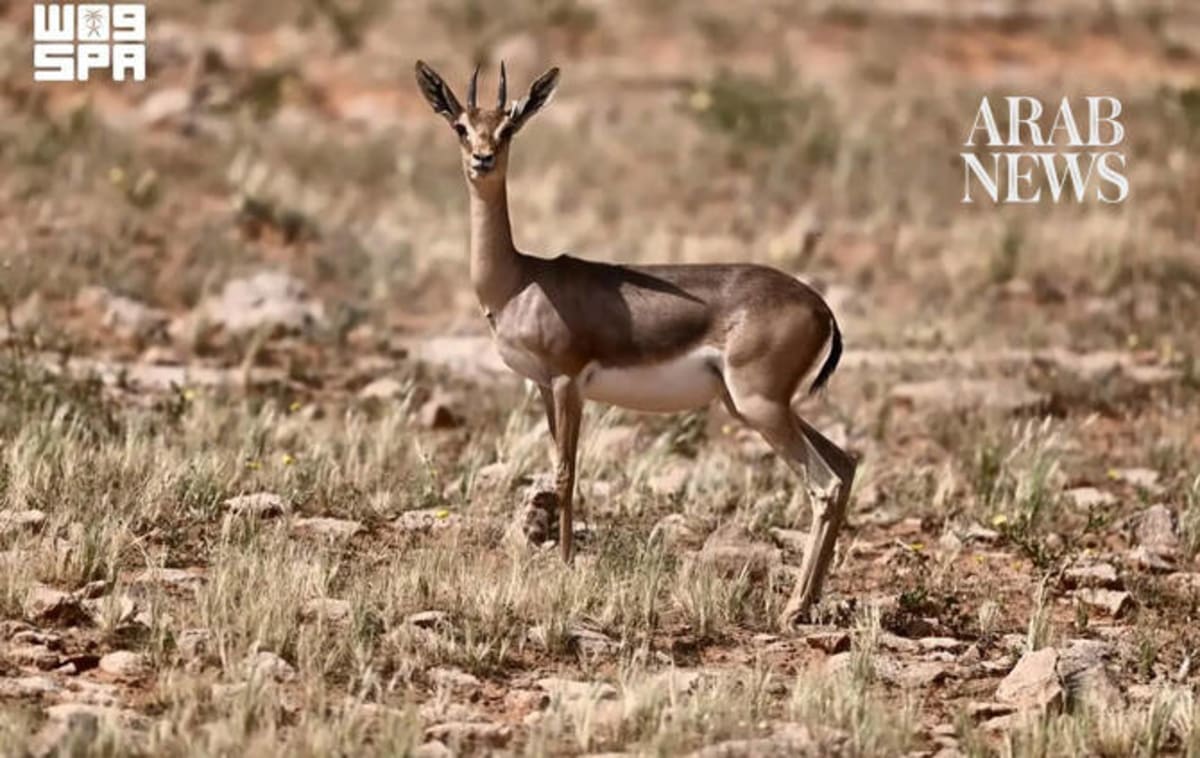
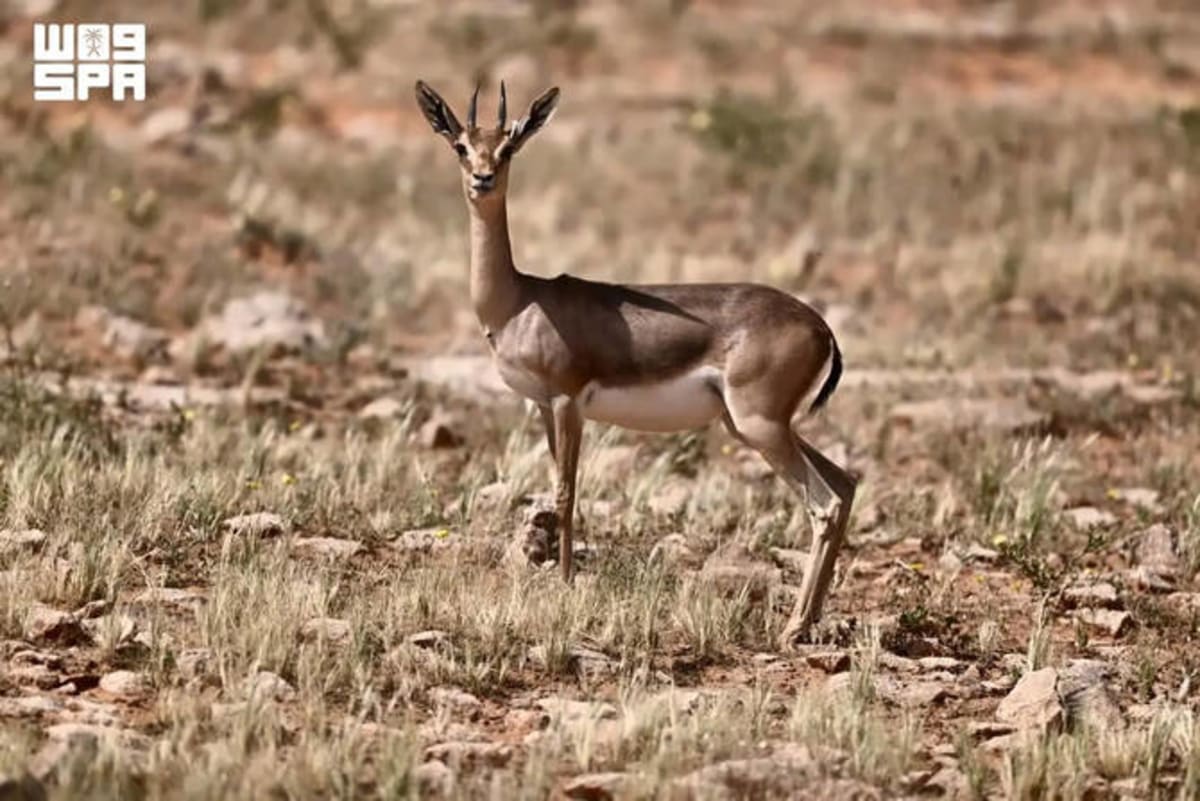
Wild Arabian sand gazelles are breeding successfully in their natural habitat for the first time in decades at Saudi Arabia's second-largest nature reserve. The births signal that conservation efforts are working and the once-endangered species is on the path to recovery.
Baby gazelles are taking their first wobbly steps in the Saudi desert, and it's a sign that decades of damage might finally be reversing.
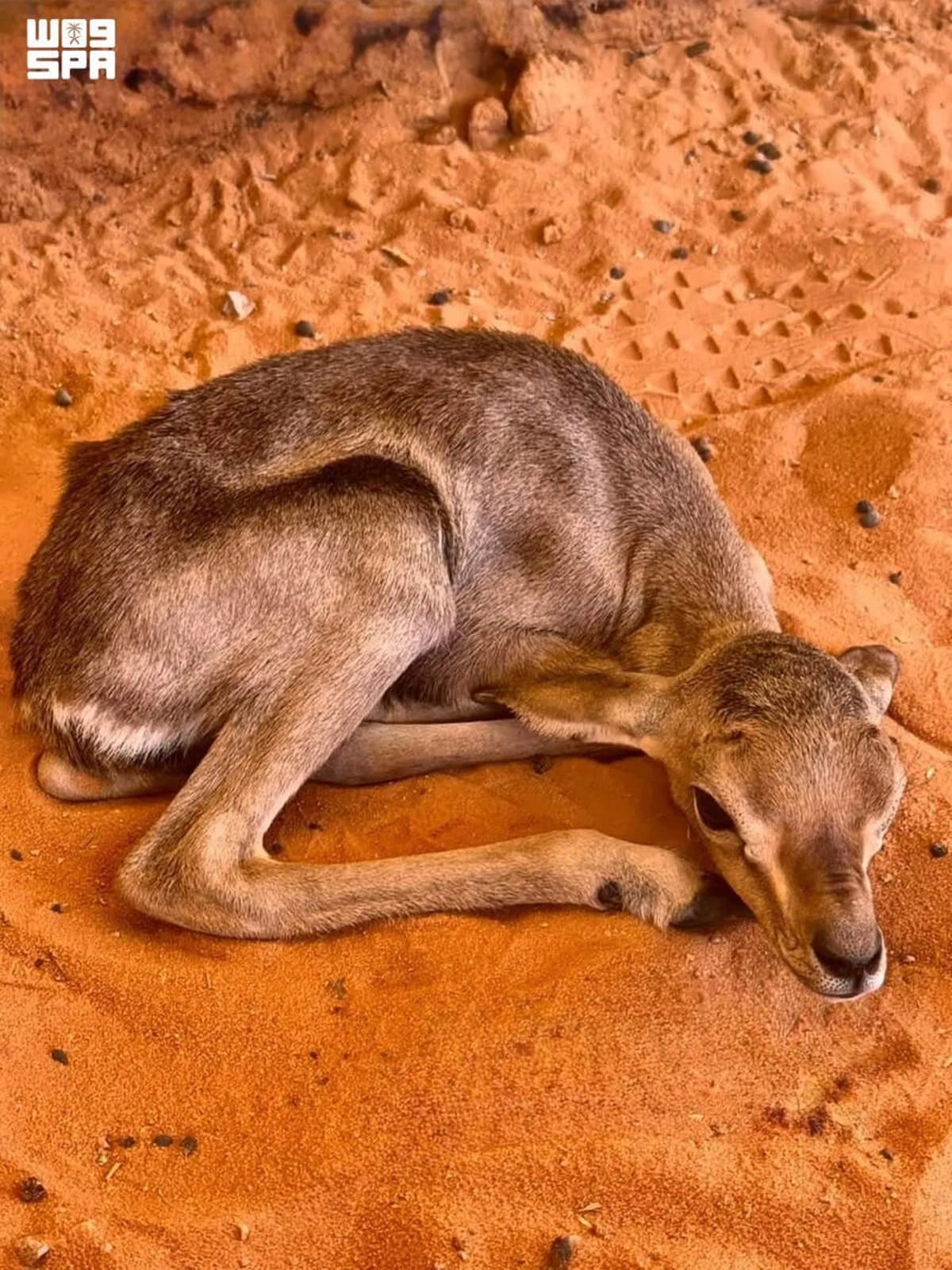
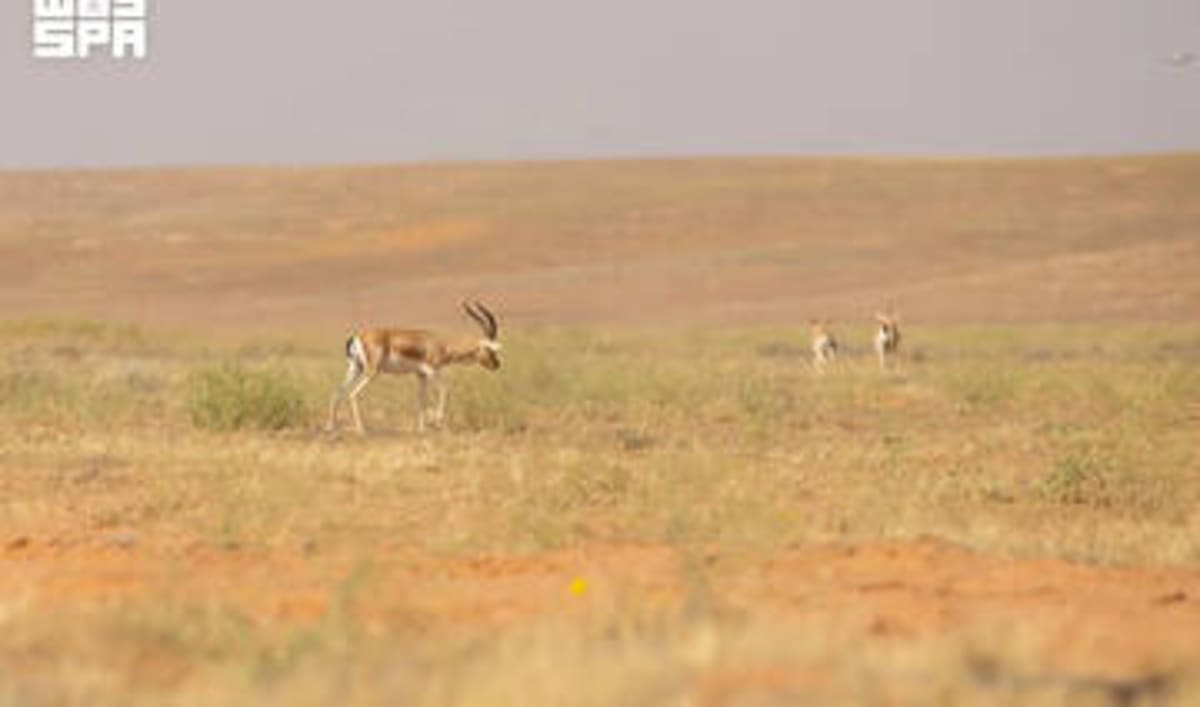
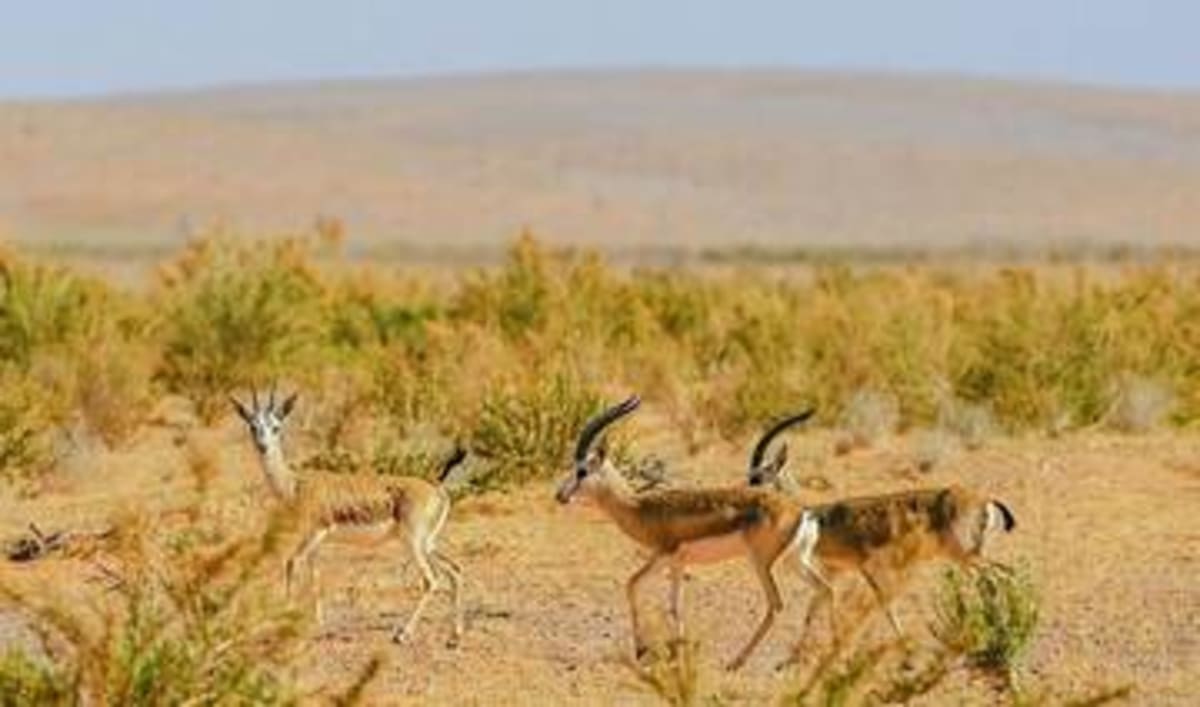
More than 40 Arabian sand gazelle calves were born during the first three months of 2026 at the Imam Turki bin Abdullah Royal Nature Reserve, with three more arrivals in the second quarter. These aren't zoo births or animals raised in captivity. They're wild gazelles choosing to raise families in their ancestral home.
The Arabian sand gazelle nearly disappeared from the peninsula after years of overhunting and habitat loss pushed the graceful desert dweller to the brink. Conservationists launched breeding programs to save the species, but keeping animals alive in captivity was never the endgame.
The real victory comes when animals can survive and reproduce on their own in the wild. That's exactly what's happening now at Al-Taysiyah, an area within the massive reserve that spans more than 91,500 square kilometers across five Saudi regions.
Wildlife authorities monitor the gazelles through field observation, tracking their behavior and reproduction rates. The high number of natural births tells them something crucial: the habitat is healthy enough to support thriving populations without human intervention.
The reserve's strategy goes beyond just releasing animals and hoping for the best. Teams worked to restore and protect the natural environment first, creating conditions where gazelles could find food, shelter and safety from threats.
The Ripple Effect
When a native species returns to its homeland, the benefits ripple outward in ways we're only beginning to understand. Gazelles shape the desert ecosystem through their grazing patterns and movement. They're prey for natural predators, helping restore the food chain that was broken when they disappeared.
Their presence also indicates broader environmental health. If gazelles can thrive, it means the entire habitat is recovering from decades of degradation. Other native plants and animals benefit from the same conservation work.
The success at Imam Turki bin Abdullah sets a model for wildlife restoration across the Arabian Peninsula. It proves that with dedicated effort and proper habitat management, species on the edge of extinction can bounce back.
Each newborn gazelle represents more than just a number. It's a living promise that the mistakes of the past don't have to define the future, and that nature has a remarkable ability to heal when we give it the chance.
More Images
Based on reporting by Google News - Wildlife Recovery
This story was written by BrightWire based on verified news reports.
Spread the positivity!
Share this good news with someone who needs it

%2Fhttps%3A%2F%2Ftf-cmsv2-smithsonianmag-media.s3.amazonaws.com%2Faccounts%2Fheadshot%2FSarahKuta.png)