Saving Old Trees Cuts Death Rates More Than Planting New Ones
Chicago neighborhoods that protected mature trees saw death rates drop by 10% each year, while areas losing tree cover watched mortality climb. The 11-year study reveals keeping existing trees alive matters more than planting new ones.
Losing the big, shady trees in your neighborhood could literally be a matter of life and death, according to groundbreaking research from Chicago.
Scientists tracked tree canopy cover and death rates across Chicago neighborhoods for 11 years and discovered something surprising. It wasn't how many trees a neighborhood had that mattered most for keeping people alive—it was whether those trees were disappearing or growing year after year.
Neighborhoods that kept losing tree cover saw death rates climb, especially in the hottest parts of the city. Areas that gained canopy watched mortality rates fall by roughly 10% for every percentage point of new tree cover. The biggest drops came in deaths from heart disease, breathing problems and mental health conditions.
The study followed more than 220,000 death records from 2011 through 2021, matching them with satellite measurements of trees in every Chicago census tract. Researchers controlled for other factors like temperature, air pollution, income and residential segregation to isolate the impact of trees alone.
The findings challenge the common wisdom that planting new trees is always the answer. Young saplings take years or even decades to provide the cooling shade and air quality benefits of mature trees. A newly planted tree simply can't protect people the way a 50-year-old oak can.
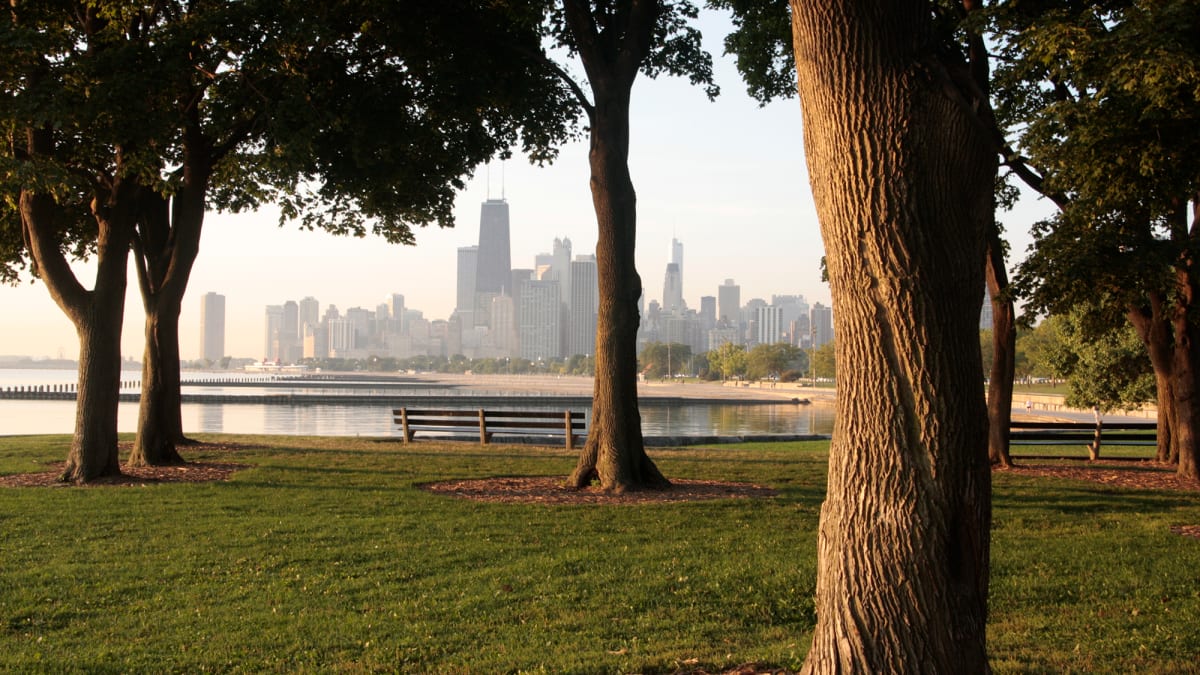
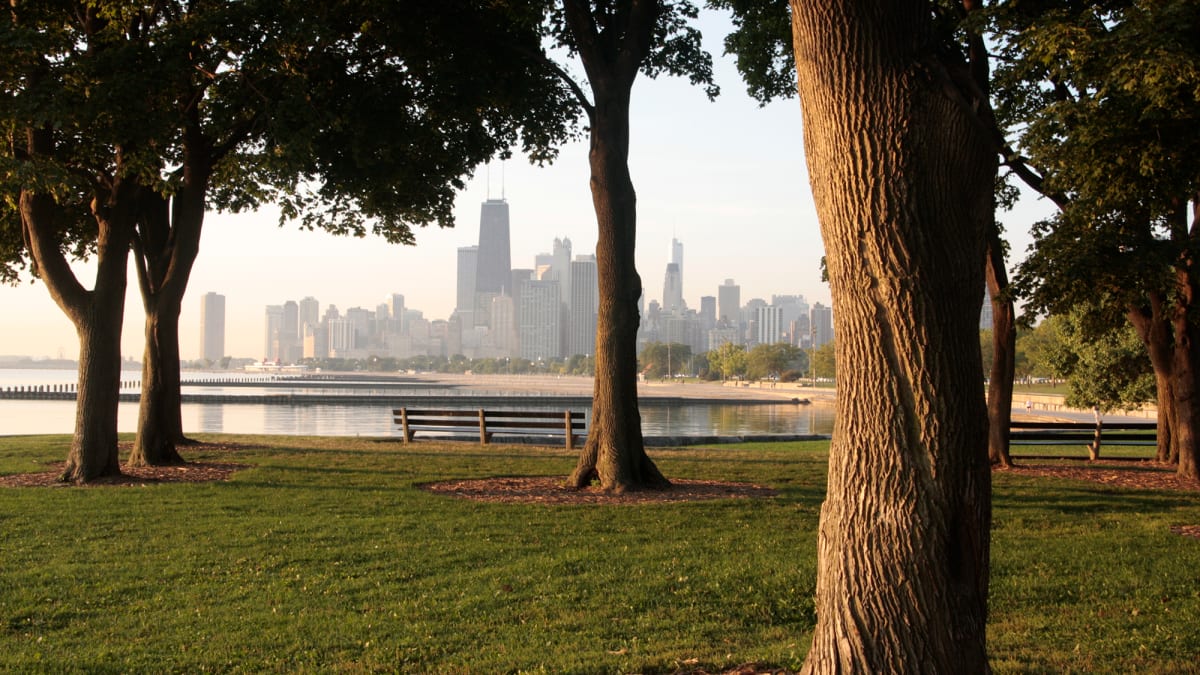
Chicago's tree patterns also revealed a troubling story about inequality. The South Side and West Side lost the most canopy, endured the hottest summers and suffered the highest death rates. Wealthier lakefront neighborhoods stayed cooler with lower mortality and more stable tree cover.
Harrison Garcia, a Northwestern medical student who co-authored the study, said the project started with a simple observation. Walking through sparsely treed Chicago blocks felt exhausting compared to streets lined with mature trees, and the health data confirmed what his body already knew.
The Ripple Effect
The research suggests that Chicago's current pace of planting 14,000 trees annually could prevent about 105 deaths per year once those trees mature. But experts say those benefits won't arrive for years, while mature trees deliver protection right now.
The pattern repeats across America. Nearly three-quarters of 33 major U.S. cities are losing greenery, with the hottest neighborhoods losing the most. Protecting what's already growing could save lives faster than waiting for new trees to catch up.
Cities now have a clearer playbook: yes, plant new trees, but fight just as hard to keep the old ones standing. Every mature tree that survives extreme weather, disease or development is a health asset that can't be quickly replaced.
More Images
Based on reporting by Live Science
This story was written by BrightWire based on verified news reports.
Spread the positivity!
Share this good news with someone who needs it