UConn Researchers Map Fair Access to EV Charging
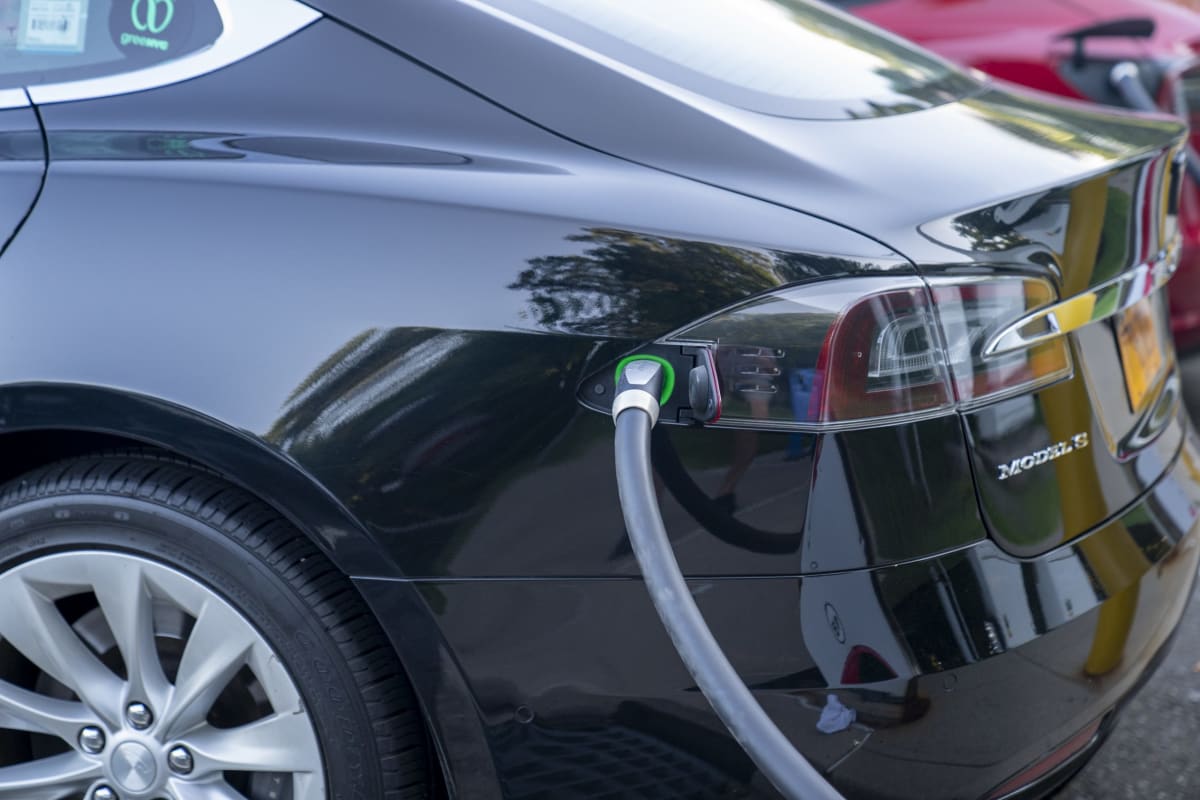
A new planning tool identifies which communities need electric vehicle charging stations most, combining flood risk, pollution levels, and income data to ensure clean transportation benefits everyone. The framework helps states invest charging dollars where they'll do the most good.
Scientists at UConn have created a roadmap for building electric vehicle charging networks that don't leave vulnerable communities behind.
The research team developed the Electric Vehicle Viability Score, a planning tool that looks at more than just where charging stations exist. It combines transportation access, flood risk, pollution burden, and household income to show which towns face the biggest challenges in going electric.
Their study of Connecticut's 169 towns revealed stark differences. Fairfield County communities have strong charging networks and financial resources, while rural areas in Windham and Litchfield counties struggle with fewer stations and tighter budgets.
Ph.D. student Omar Bustami and postdoctoral researcher Francesco Rouhana led the project with two engineering professors. They wanted to move beyond simple gap maps to understand how different problems interact in real communities.
"A community may have limited charging access but also may be dealing with flooding issues, high levels of pollution, or they may not have transportation alternatives," says Rouhana. "Those issues interact and they must be viewed together."
The timing matters. A recent UN report warns we'll likely exceed 1.5°C of global warming by 2030. Private cars create the largest chunk of household carbon emissions in Western countries, making vehicle electrification crucial for climate action.
But electric vehicles offer benefits beyond reducing emissions. They can act as mobile batteries during power outages, storing energy to run emergency shelters or medical facilities when the grid fails. This resilience becomes more valuable as extreme weather strikes more often.
The researchers found that affluent coastal towns have resources to weather climate impacts, while low-income communities face the same flooding risks without financial safety nets. Building charging infrastructure in these underserved areas addresses both transportation access and climate resilience at once.
The Ripple Effect
This framework gives state planners a practical tool for spending infrastructure dollars wisely. Instead of building chargers where it's easiest or most profitable, officials can target investments where they'll reduce both emissions and inequality.
The team is now scaling their approach so other states can adapt it, and adding a time dimension to track how community needs evolve. They're also building in ways for residents to share feedback, ensuring communities shape their own clean energy future.
Connecticut proved an ideal testing ground with its mix of dense cities, wealthy suburbs, rural towns, and coastal areas. The insights reveal patterns that planners across the country can learn from as they roll out charging networks.
Where charging infrastructure is needed most isn't always where it's easiest to build, but smart planning can bridge that gap and deliver climate solutions that lift up everyone.
More Images
Based on reporting by Google News - Electric Vehicle
This story was written by BrightWire based on verified news reports.
Spread the positivity!
Share this good news with someone who needs it