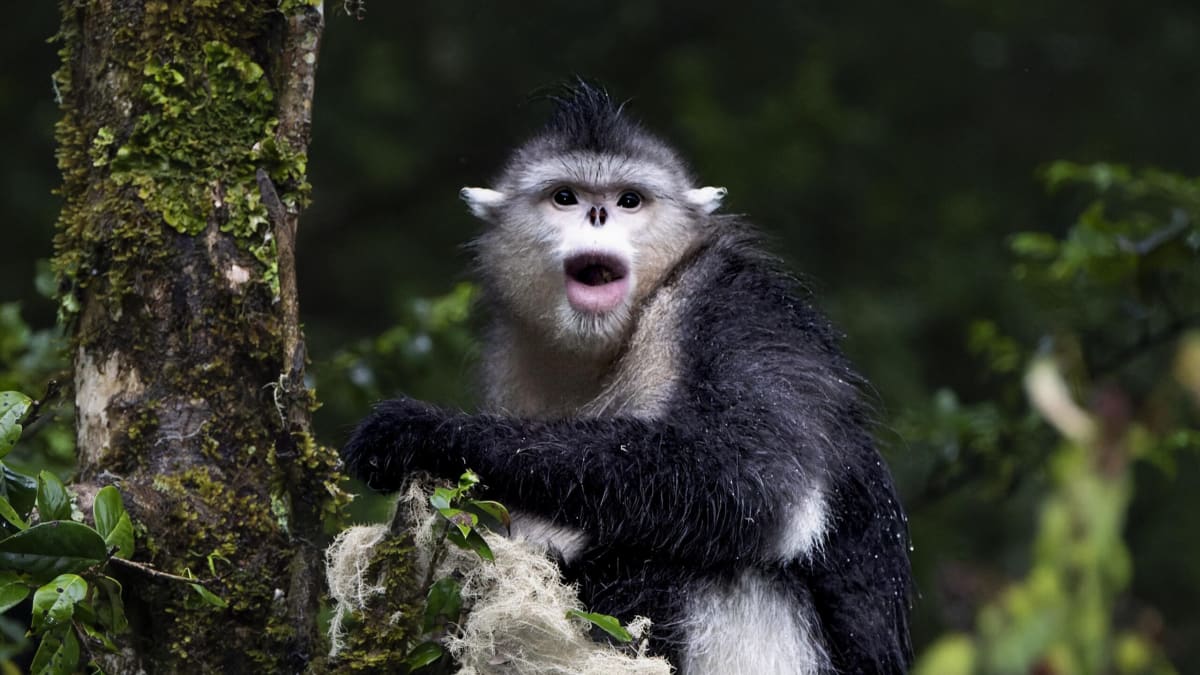
Saving Primates Could Protect 86% of Threatened Species
A new study reveals that protecting habitats for monkeys and apes could safeguard thousands of other species at the same time. Conservation efforts focused on charismatic primates might be the umbrella solution scientists have been searching for.
Protecting monkeys and apes could save thousands of other species in one strategic move, according to groundbreaking research from China.
Scientists analyzed 16 primate species across Yunnan province, a biodiversity hotspot in southern China. They discovered something remarkable: setting aside just 30% of the region as primate habitat would automatically protect 86% of threatened animals and 72% of seed plants living in the same areas.
The research examined how conservation efforts for charismatic species like monkeys and apes could create a protective umbrella for 601 species of threatened mammals, amphibians, birds, and reptiles, plus 4,010 types of seed plants. The approach works because primates need large territories of healthy forest to survive, and protecting those vast spaces benefits everything else living there.
Conservation groups are already putting this strategy into action. Rainforest Trust's work protecting critically endangered Grauer's gorillas in the Democratic Republic of Congo helps safeguard more than 11,000 species. The Borneo Orangutan Survival Foundation estimates that protecting orangutan habitats shelters around 20,000 species across Borneo and Sumatra's rainforests.
There's a bonus benefit too. Protecting 30% of Yunnan for primates would also preserve more than half of the province's annual carbon storage, helping fight climate change at the same time.
The Ripple Effect
Primates do more than just attract donations with their charm. They play vital roles as seed dispersers by eating fruit and spreading seeds throughout forests, helping entire ecosystems regenerate and thrive.
When forests decline, primates are often the first to disappear, serving as early warning signals for ecosystem health. Their presence indicates a thriving, balanced habitat where countless other species can flourish.
The umbrella approach makes conservation funding go further. Instead of protecting single species one at a time, conservation efforts centered on primates can shield entire ecosystems with interconnected benefits for wildlife, plants, and carbon storage.
Experts say the strategy's main challenges aren't scientific but relate to governance and human behavior. Getting communities and governments on board remains the key hurdle, but the charismatic appeal of primates helps greatly with fundraising and advocacy efforts.
Protecting these intelligent, social animals offers a practical path forward for saving biodiversity at a time when Earth faces rapid species decline.
More Images



Based on reporting by Mongabay
This story was written by BrightWire based on verified news reports.
Spread the positivity!
Share this good news with someone who needs it


%2Ffile%2Fattachments%2F2998%2F14147038_376896.jpg)