Scan Makes Prostate Cancer Glow, Cuts Biopsies in Half
A breakthrough imaging test causes aggressive prostate cancer cells to light up like bright spots, helping doctors identify which men actually need invasive biopsies. Australian researchers found the scan safely reduced biopsies by 50% without missing a single harmful cancer.
Men facing prostate cancer scares could soon skip painful biopsies thanks to a scanning technology that makes cancer cells glow.
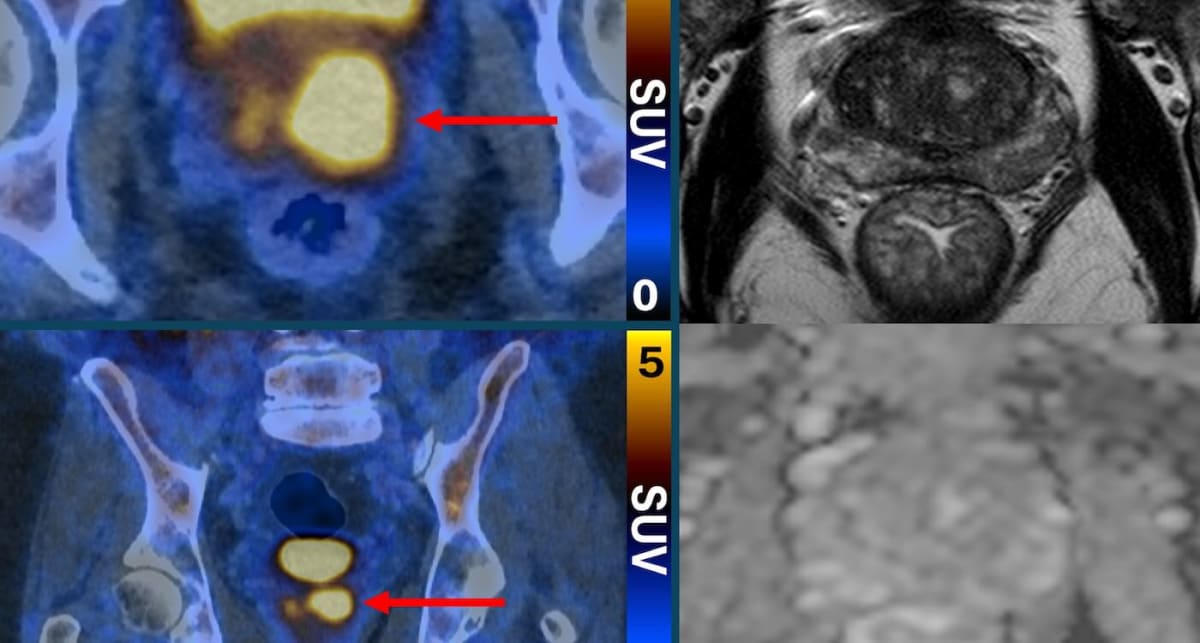
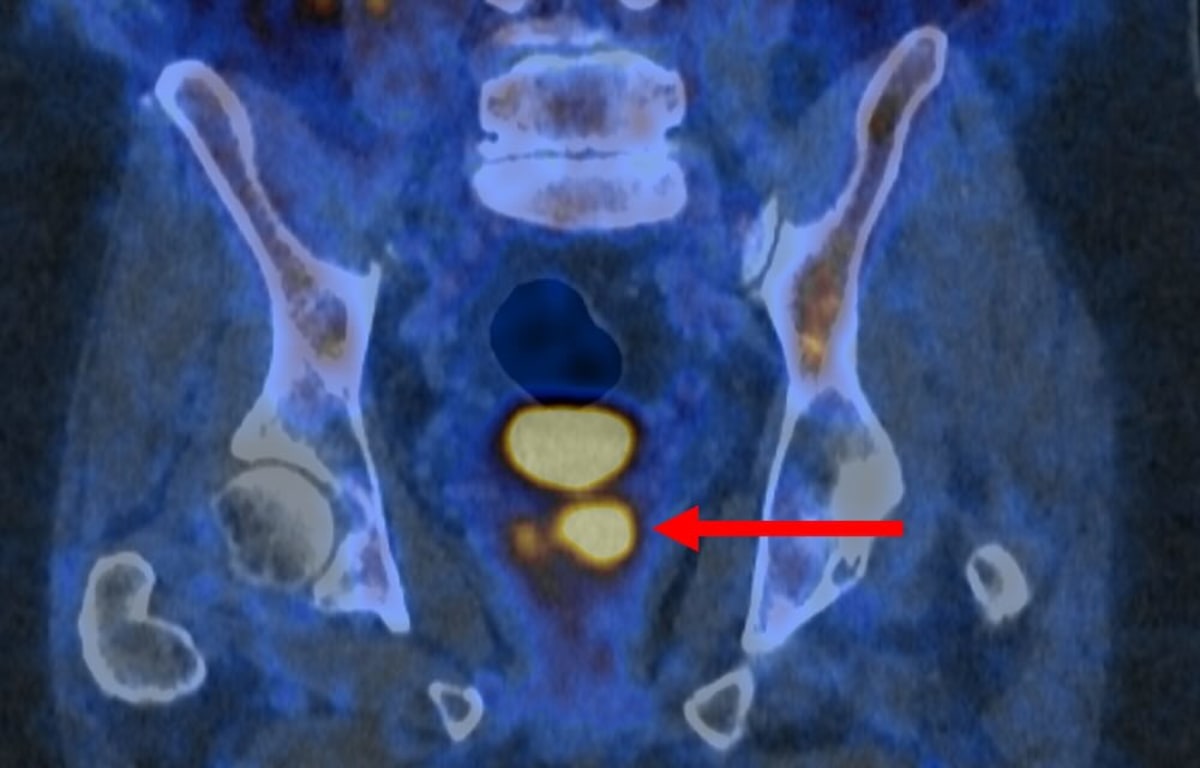
The PSMA PET/CT scan uses a special molecule that binds to prostate cancer cells, causing them to appear as bright spots on the imaging screen. Already available in Australia and parts of Europe, this test is changing how doctors diagnose one of the most common cancers in men.
Dr. James Buteau, a nuclear medicine physician at Peter MacCallum Cancer Centre in Melbourne, led a trial involving 660 men at higher risk for prostate cancer. His team found the glowing scan could safely cut the number of needed biopsies in half.
"PSMA PET/CT scanning makes prostate cancer cells light up in a remarkable way, particularly in more aggressive cancers," Dr. Buteau explained. "It's rare to see such strong imaging that could be so powerful in the clinic."
Here's why that matters. About one in eight men receive a prostate cancer diagnosis, typically starting with an MRI scan. When those results come back unclear, doctors usually order a biopsy that takes small tissue samples from the prostate.
The procedure can be uncomfortable and worrying for patients, and it sometimes leads to unnecessary treatment. Not all prostate cancers are dangerous. Some grow so slowly they'll never cause harm.
The new scan solves both problems. It identifies aggressive cancers that need treatment while revealing which cancers are low risk and can be safely monitored instead. For men who do need biopsies, the glowing images show doctors exactly where to look, making the procedure more accurate and less invasive.
The Primary2 trial randomly assigned high-risk men to receive either a standard biopsy or the PSMA PET/CT scan. Those with positive scan results then got targeted biopsies focused on suspicious areas. The approach didn't miss any harmful cancers while sparing half the participants from an invasive procedure altogether.
The Bright Side
This breakthrough addresses a major challenge in men's health. Over-diagnosis leads to anxiety and sometimes harmful treatments for cancers that would never threaten a patient's life.
Professor Louise Emmett, study co-leader, said the scan offers peace of mind. "Getting told you have a risk of prostate cancer is a huge cause of anxiety and concern. Our findings show that PSMA PET/CT after MRI offers a belt-and-braces approach that can determine which people have a clinically significant cancer, and which people are at low risk."
Dr. Derya Tilki, a senior urologist at Germany's Martini-Klinik Prostate Cancer Centre, called the trial well-conducted and important. The research confirms that reducing unnecessary biopsies doesn't compromise detection of serious disease.
Cost and availability remain barriers to widespread use, but the technology is expanding across the UK and Europe. As more medical centers adopt this imaging, millions of men could benefit from clearer answers and fewer invasive procedures.
The team will follow participants for two years to gather more data, but the initial results offer real hope for better, gentler prostate cancer care.
More Images
Based on reporting by Good News Network
This story was written by BrightWire based on verified news reports.
Spread the positivity!
Share this good news with someone who needs it