Scania's New Electric Truck Goes 474 Miles on One Charge
A Swedish trucking giant just cracked one of the toughest problems in clean transportation with a battery-powered big rig that travels nearly 500 miles without recharging. The breakthrough could transform how goods move across Europe and beyond.
Long-haul trucking has been one of the hardest industries to electrify, but Scania just proved it's possible with a battery-powered truck that drives 474 miles on a single charge.
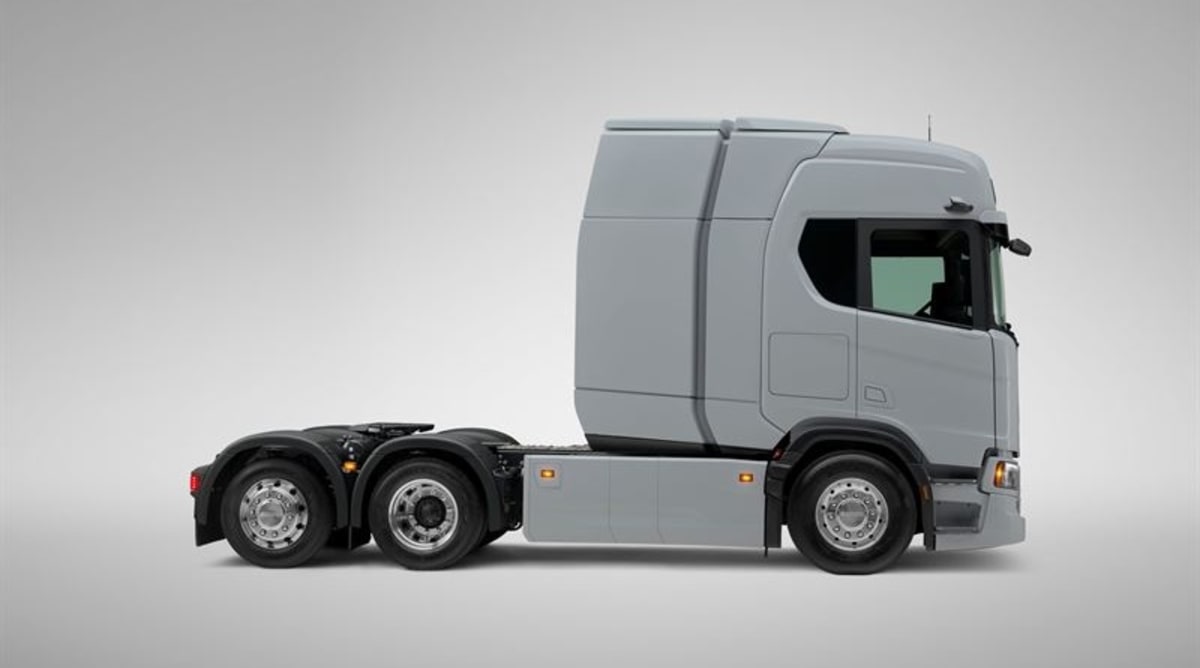
The Swedish manufacturer redesigned everything about the truck to maximize range. They added extra battery packs behind the cab, created a sleeker front end to cut through wind, and installed chassis-mounted batteries that work together to power the vehicle for 720 kilometers.
The innovation solves a problem that's stumped engineers for years. Traditional diesel trucks can refuel in 10 to 20 minutes, but early electric trucks needed hours to charge and couldn't travel far enough to replace them.
Scania found a way to fit more batteries without sacrificing cargo space. The two cab-mounted battery packs add 356 kilowatt-hours of capacity, and the streamlined front design reduces energy use by up to 3 percent by cutting wind resistance.
Fast charging stations are catching up too. New megawatt charging systems can now power up an electric truck from 20% to 80% in about 30 minutes, making them practical for real delivery schedules.
Meanwhile, other truck makers are betting on different solutions. A European group including Volvo, Daimler Truck, and Toyota announced plans to scale up hydrogen fuel cell trucks across Germany as an alternative path to clean transportation.
Daimler's hydrogen trucks have already logged over 372,000 miles with real customers in Europe. They plan to add 100 next-generation fuel cell trucks to the market this year, with Volvo following toward 2030.
The Ripple Effect: This isn't just about cleaner trucks. Heavy-duty vehicles account for a massive chunk of transportation emissions worldwide, and finding ways to electrify them means cleaner air in cities, quieter highways, and a real dent in climate pollution. Whether the future runs on batteries, hydrogen, or both, the race to zero emissions just shifted into high gear.
The technology works, the trucks are rolling out, and the infrastructure is catching up fast.
More Images

Based on reporting by CleanTechnica
This story was written by BrightWire based on verified news reports.
Spread the positivity!
Share this good news with someone who needs it