Scholar Proposes Unity Healing Over Racial Reconciliation
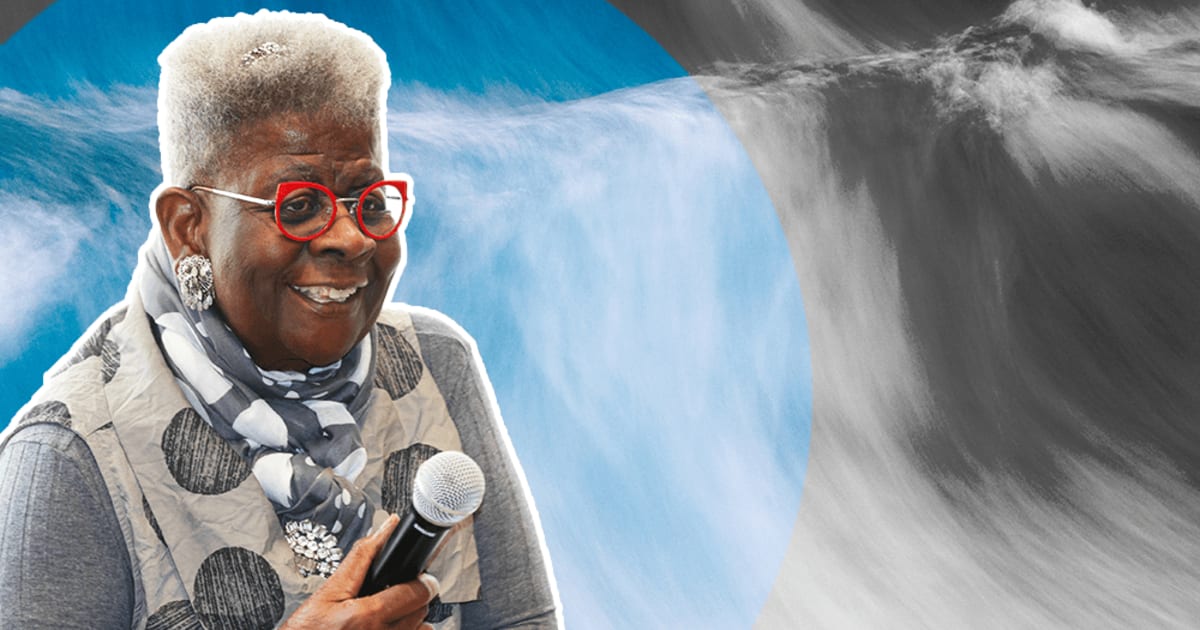
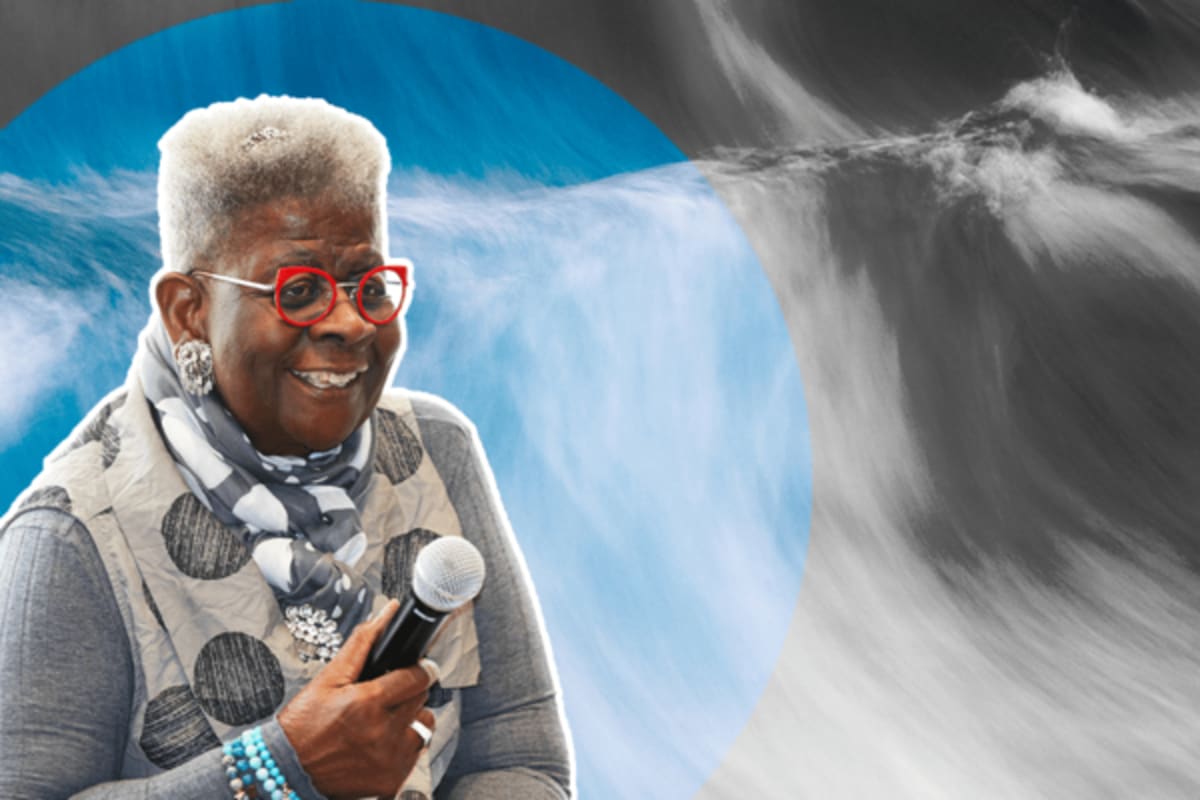
Catherine Meeks, an 80-year-old racial justice scholar, argues that healing and unity among marginalized communities can create lasting change where traditional reconciliation efforts have fallen short. Her latest book charts a path forward focused on solidarity rather than spiritual harmony alone.
After five decades working in racial justice, Catherine Meeks decided it was time for a different approach. The scholar and former executive director of the Absalom Jones Episcopal Center for Racial Healing believes progress requires something beyond what traditional reconciliation movements have offered.
Her new book, "Bridging the Rivers of Difference: A Proclamation of Unity in Resistance," proposes a bold shift. Instead of focusing primarily on reconciliation between racial groups, Meeks advocates for healing and unity among Black, Indigenous, Latinx, and Asian American communities to build collective strength.
The vision emerged from honest reflection. "After 50 years of doing the work myself, of workshops and writing and teaching, it's clear to me that we need to switch gears," Meeks said in a recent interview.
She acknowledges that progress has happened over the decades. But she believes true freedom requires more than incremental change—it needs communities working together in solidarity.
Meeks chose to focus on four major groups in her book: Indigenous peoples, African Americans, Latinx communities, and Asian Americans. These groups, she notes, have been at the forefront of marginalization throughout American history.
She's realistic about the challenge. With 575 federally recognized Indigenous tribes alone, each with distinct cultures and experiences, building unity won't be simple.
Why This Inspires
What makes Meeks' work compelling is its refusal to settle for comfortable answers. At 80, she's bringing decades of research, community organizing, and lived experience to ask hard questions about whether current approaches are truly working.
Her message isn't about abandoning hope—it's about redirecting energy toward strategies that might actually create the world she envisions. One where people of all backgrounds can live freely without fear.
The book challenges readers to think differently about racial healing. Rather than presenting reconciliation as primarily a spiritual matter, Meeks frames it as work requiring concrete action and unified resistance to systems of oppression.
She hopes the book will encourage thoughtful people interested in justice while also offering hope. "I don't want to just write things that cause people to feel like they need to go crawl in a hole and never come out," she explained.
For communities that have spent generations navigating survival separately, Meeks sees possibility in coming together. Her decades of experience inform a practical vision: healing within and among marginalized groups as the foundation for lasting change.
More Images


Based on reporting by Google News - Reconciliation
This story was written by BrightWire based on verified news reports.
Spread the positivity!
Share this good news with someone who needs it