Science Confirms Baby Talk Helps Infants Learn Language
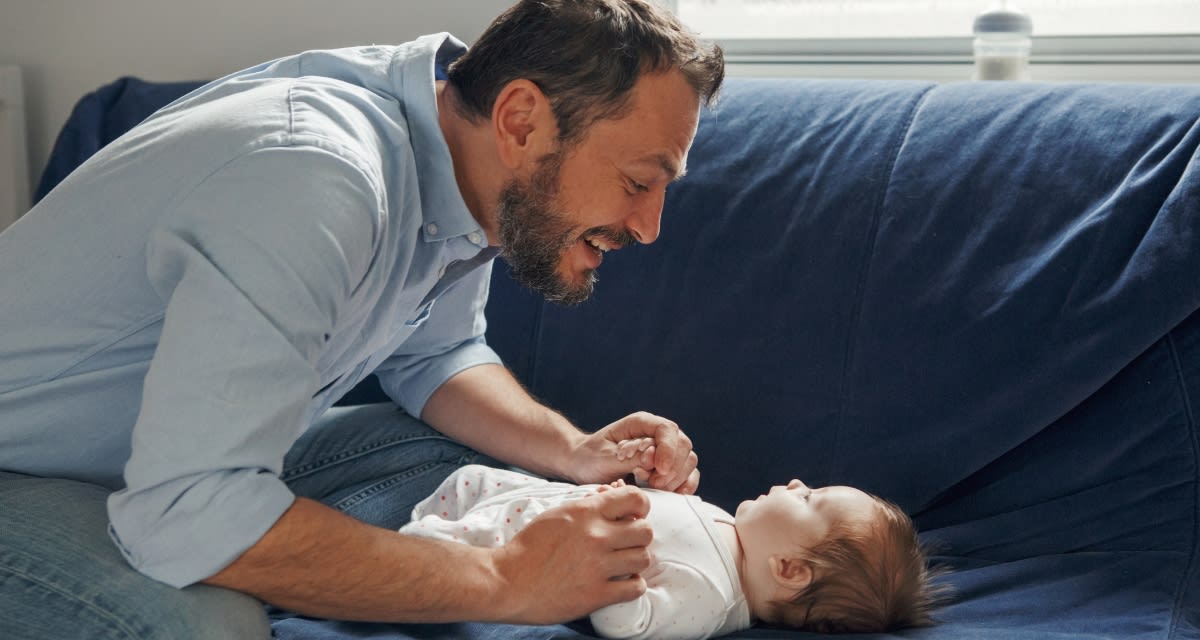
Parents can stop worrying about using that high-pitched, sing-song voice with their babies. Research now shows baby talk actually helps infants develop language skills faster.
That instinctive urge to switch into a high-pitched, sing-song voice around babies isn't silly at all. Scientists have discovered that baby talk serves a crucial purpose in helping infants learn language.
For years, child psychologists warned parents against using baby talk, claiming it would slow language development and create bad speech habits. But recent linguistic, neurological, and cultural studies have completely flipped that perspective.
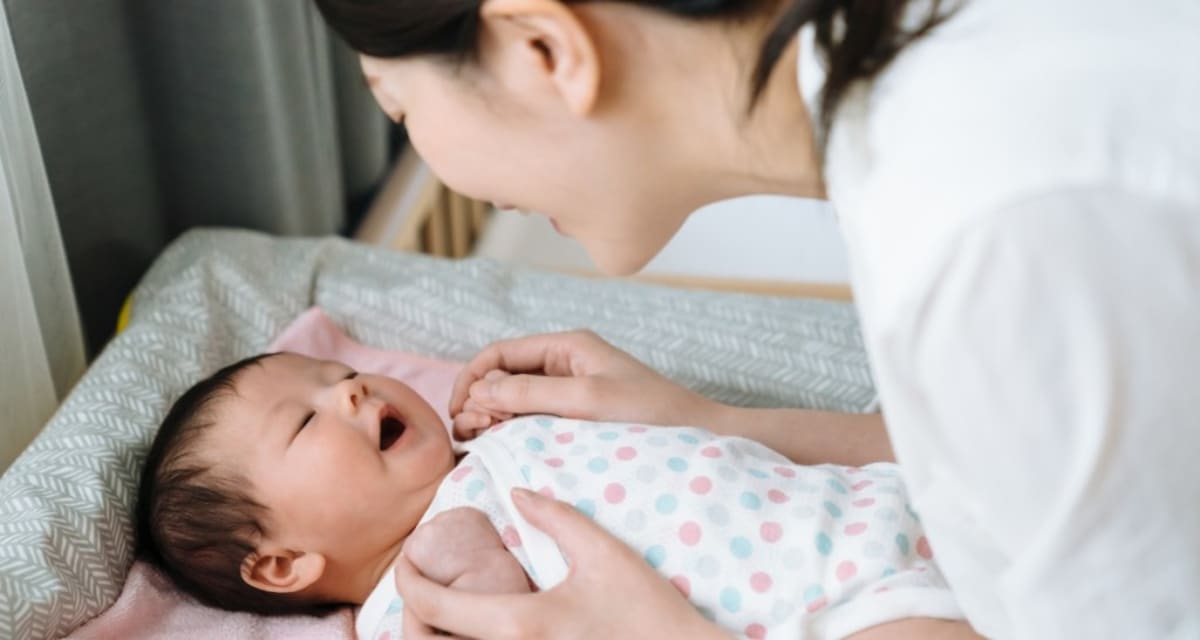
Researchers found that baby talk, scientifically known as infant-directed speech, happens naturally across every culture and language. Whether you speak English, Mandarin, or Swahili, adults automatically slow down their speech, add pauses between syllables, exaggerate vowels, and speak in higher pitches when talking to babies.
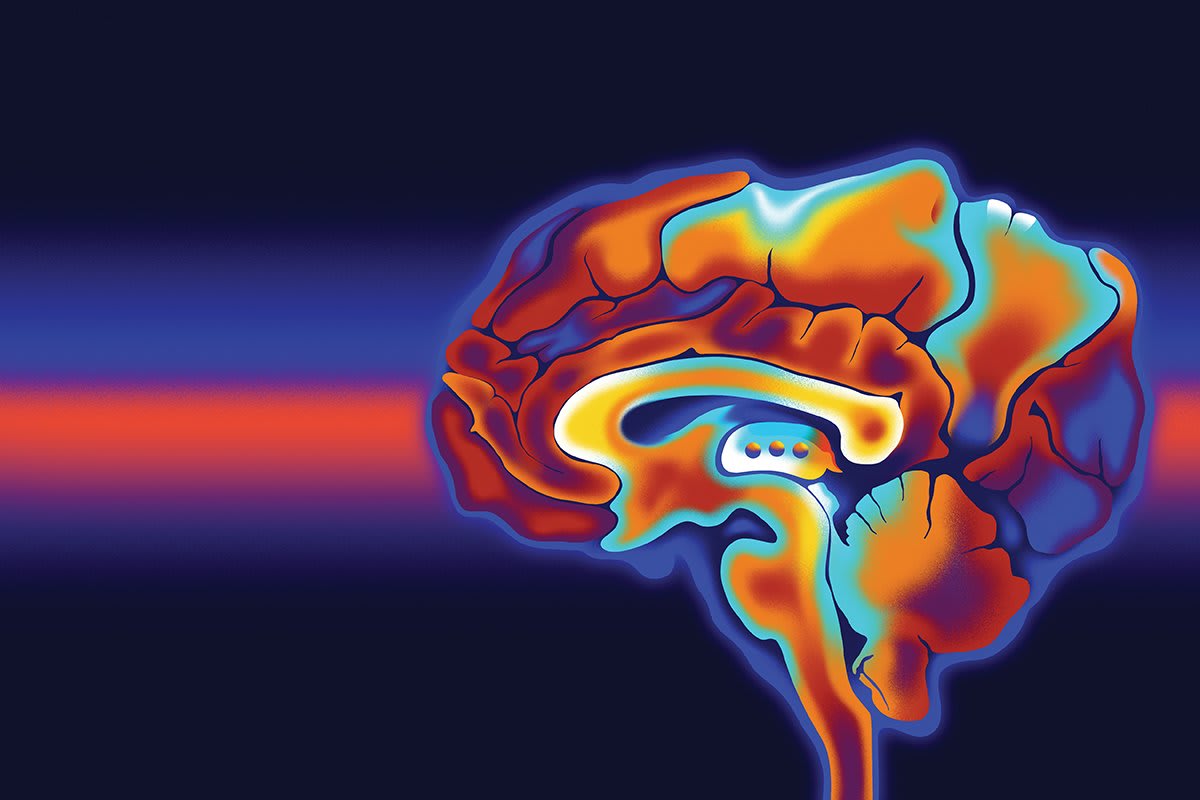
Nobody decides to do this. It just happens automatically, like a reflex built into our brains.
The science behind why this works is fascinating. Babies prefer voices around the same frequency as their own vocal tracts, and that high-pitched tone grabs their attention better than normal speech. The slower tempo helps infants grasp the rhythm and patterns of language, while exaggerated vowels highlight the differences between sounds.
Studies show that infant-directed speech actually improves vocabulary, sound differentiation, and word recognition in young children. Despite old fears, baby talk rarely uses incorrect grammar or pronunciation.
Why This Inspires
Researchers recorded adults speaking to children in multiple countries with completely different languages in 2022. Every single culture used the same special sing-song speech pattern with infants, proving this behavior is hardwired into humans.
Even in cultures where parents don't speak directly to babies, siblings and relatives fill that gap with baby talk. Humans are the only species that do this, suggesting it specifically evolved to help with language acquisition.
The process creates an emotional bond too. When we use baby talk, our brains release oxytocin, making both adults and babies feel happy and connected.
So go ahead and embrace that silly voice. Your baby's brain is soaking up every exaggerated vowel and high-pitched word, building the foundation for a lifetime of communication.
More Images

Based on reporting by Upworthy
This story was written by BrightWire based on verified news reports.
Spread the positivity!
Share this good news with someone who needs it