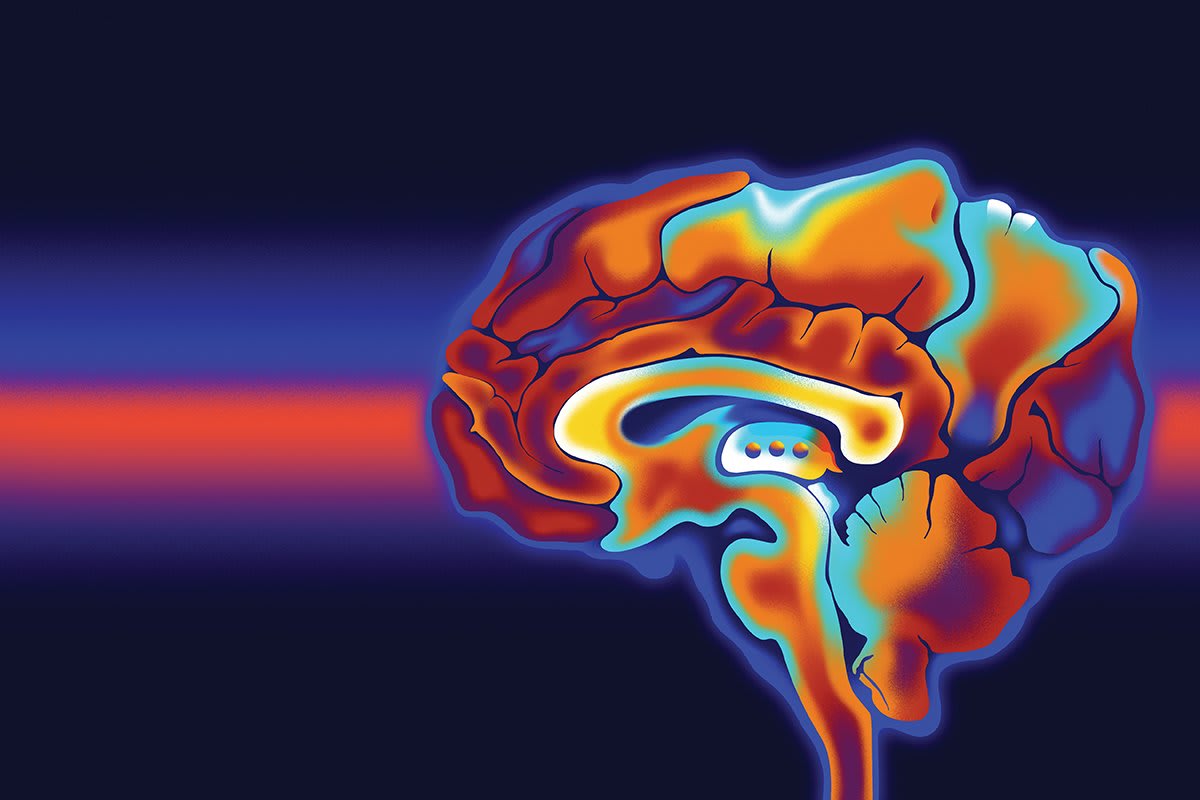
Your Brain Rewrites Reality Into Stories, Scientists Find
Neuroscientists have discovered the exact brain circuits that automatically transform everything you experience into simplified narratives. It's the reason we instantly turned random animated shapes into emotional dramas, and why every memory feels like a mini-movie.
Your brain isn't recording your life like a camera. It's rewriting reality into stories, complete with heroes, villains, and tidy plotlines.
Neuroscientists have spent the past decade mapping the exact brain regions that turn raw experience into narrative. Using brain scanners and sophisticated math tools, they've found dedicated neural real estate for tracking characters, dividing events into scenes, and extracting meaning from chaos.
The evidence was hiding in plain sight since 1944. When psychologist Fritz Heider showed people a simple animation of triangles and circles bouncing around, almost nobody described what they actually saw. Instead, they invented love triangles, family dramas, and bullying episodes.
"Stories are this fundamental way in which people see the world and respond to the world," says Ben Rogers, an organizational behavior researcher at Boston College. Our brains can't help themselves.
This automatic storytelling isn't a bug. It's how we make sense of an overwhelming world. Just like Pixar screenwriters deliberately simplify reality so audiences can follow along, your brain edits out confusing details and highlights cause and effect.
The breakthrough came when researchers finally showed people real movies inside brain scanners instead of simple flashing lights. That's when the narrative machinery lit up. Scientists identified neural scaffolds for familiar scenarios that activate when we encounter similar new situations.
Why This Inspires
This discovery explains why stories have appeared in every human society for at least 30,000 years, from cave paintings in France to the Epic of Gilgamesh. We're literally wired for narrative.
Understanding our brain's storytelling obsession reveals something profound about human connection. Stories let us learn from other people's experiences without living through them ourselves. They bring communities together and help us make sense of everything from romantic comedies to our own memories.
Even better, researchers are discovering how culture and family shape the stories we tell ourselves, which means we have some power over the narratives running in our heads. Your brain may automatically edit reality, but you can influence how that editing happens.
The same neural wiring that helps you follow a Pixar movie is constantly running in the background, turning your messy, complicated life into something you can understand.
More Images

Based on reporting by Scientific American
This story was written by BrightWire based on verified news reports.
Spread the positivity!
Share this good news with someone who needs it

.jpg)