Scientist Eats Chernobyl Apple, Proves Nature Heals Itself
A researcher ate an apple grown in Chernobyl's radioactive zone and lived to tell scientists something hopeful. Her data shows nature can filter decades of radiation to produce safe food.
A young scientist stood in one of Earth's most dangerous places, holding an apple that grew where a nuclear disaster happened nearly 40 years ago, and decided to eat it.
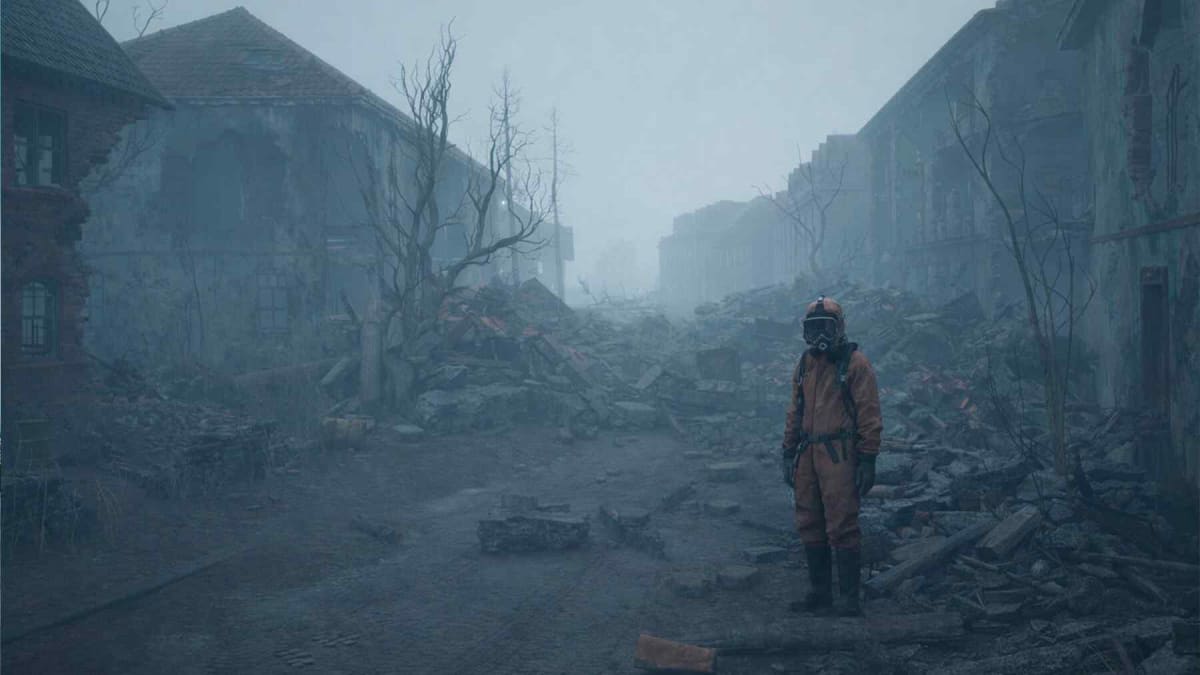
The woman known as "Bionerd23" has made headlines in the scientific community for exploring radioactive sites, especially the 1,000-square-mile Chernobyl Exclusion Zone. When she found a lone apple tree growing in the abandoned area, she saw an opportunity to answer a question: Can nature heal itself even after catastrophic damage?
Before taking a bite, she tested the fruit with a gamma spectroscope. The apple contained 39 becquerels per kilogram of Cesium-137, a radioactive isotope left behind from the 1986 nuclear accident.
That might sound scary, but here's the surprising part. The European Union sets the commercial food safety limit much higher than what she measured. The apple was technically safe to eat by official standards.
After eating it, she tracked her internal radiation levels. The data showed only a negligible increase, far from dangerous. Her body processed the minimal radiation without harm.
Why This Inspires
This experiment reveals something profound about our planet's resilience. Despite the massive environmental damage caused by one of history's worst nuclear disasters, nature found a way to filter contamination through soil, roots, and time.
The Chernobyl zone has become an unintentional laboratory for studying environmental recovery. Wildlife has returned to the area in surprising numbers. Plants grow where buildings once stood. The ecosystem adapts and rebuilds without human intervention.
Bionerd23's systematic approach shows the importance of data over fear. While caution around radiation remains essential, understanding the actual levels helps us appreciate nature's remarkable ability to restore balance.
As the world explores nuclear energy again to fight climate change, lessons from Chernobyl become more relevant. Scientists developing next-generation reactors study both the disasters and the recovery to build safer systems.
The apple experiment doesn't erase the tragedy of Chernobyl or minimize radiation dangers. It simply proves that even our worst mistakes don't have to be permanent.
Nature holds a quiet power to heal what we've broken, given enough time and space to work its patient magic.
More Images



Based on reporting by Google: scientific discovery
This story was written by BrightWire based on verified news reports.
Spread the positivity!
Share this good news with someone who needs it