Search

Find uplifting stories about heroes, innovations, and solutions

6 results for "chernobyl"

Chernobyl's Dark Frogs May Show Nature's Resilience
Planet WinsApr 26

Chernobyl's Dark Frogs May Show Nature's Resilience

Four decades after the world's worst nuclear disaster, scientists studying frogs near Chernobyl have discovered something remarkable: some appear to have darker skin that might protect them from radiation. While the discovery is still being debated, it offers a glimpse into nature's surprising ability to adapt to even the harshest conditions.

BBC Future2 min read
Chernobyl's Wild Comeback: Horses Thrive 40 Years Later
Planet WinsApr 26

Chernobyl's Wild Comeback: Horses Thrive 40 Years Later

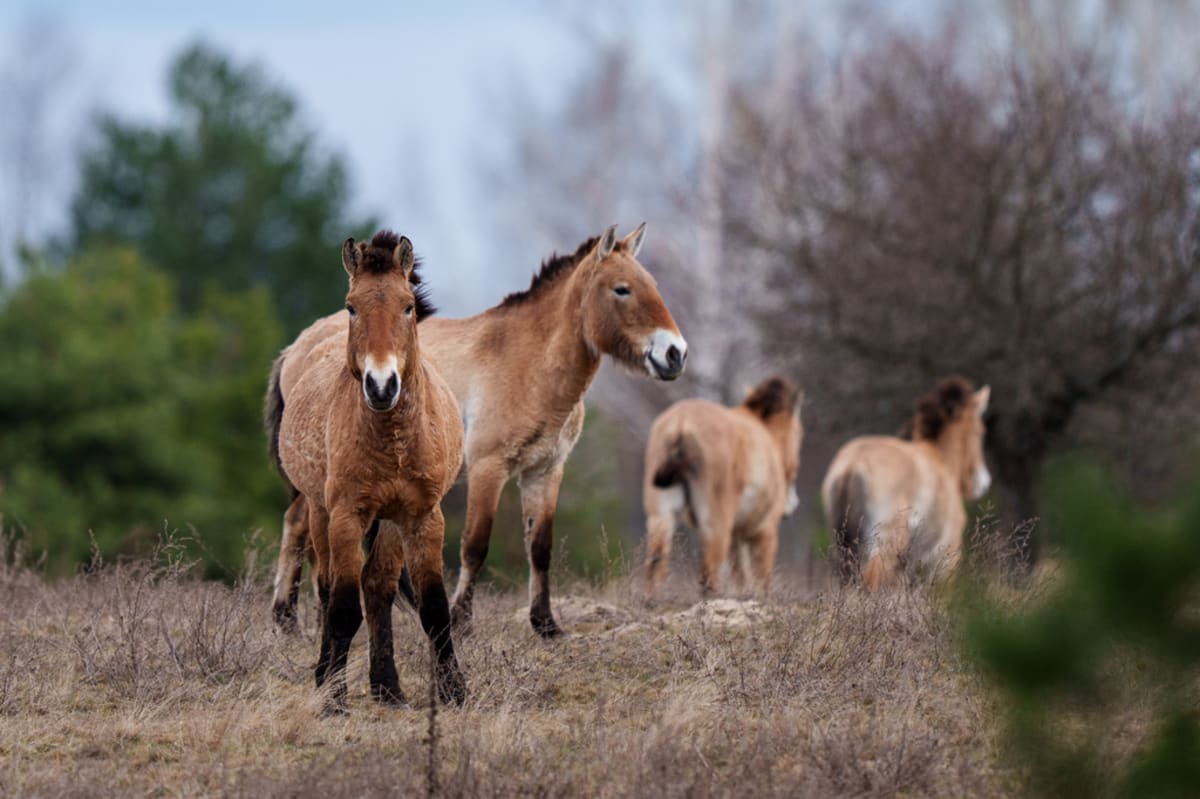
Four decades after the world's worst nuclear disaster, Chernobyl has transformed into an unexpected wildlife sanctuary where rare horses and wolves now roam free. What was once a human tragedy has become nature's most surprising comeback story.

Euronews3 min read
Wildlife Thrives in Chernobyl 40 Years After Disaster
Planet WinsApr 20

Wildlife Thrives in Chernobyl 40 Years After Disaster

Wolves, bears, and rare wild horses now roam freely through Chernobyl's radioactive exclusion zone, proving nature can bounce back when humans step away. Four decades after the nuclear disaster, the abandoned landscape has become an unexpected wildlife sanctuary.

Mongabay2 min read
Scientist Enters Chernobyl's Core Monthly to Keep World Safe
Community HeroesApr 14

Scientist Enters Chernobyl's Core Monthly to Keep World Safe

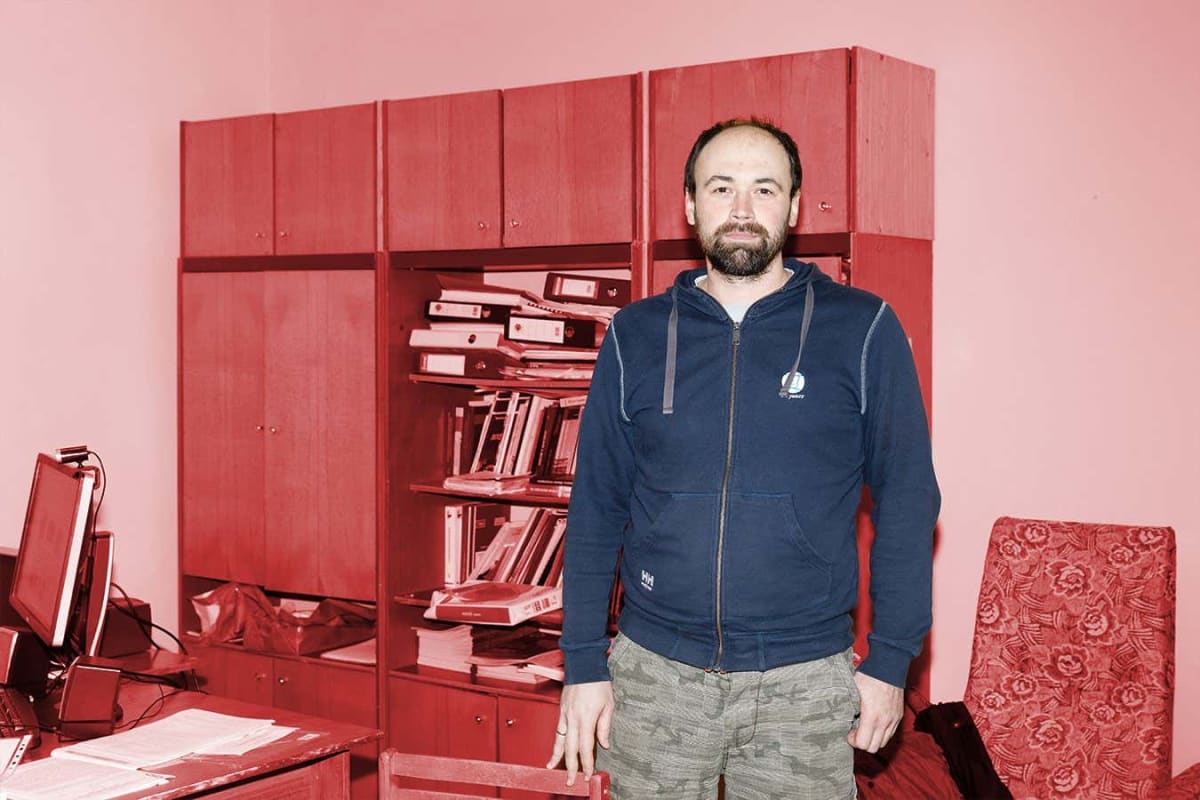
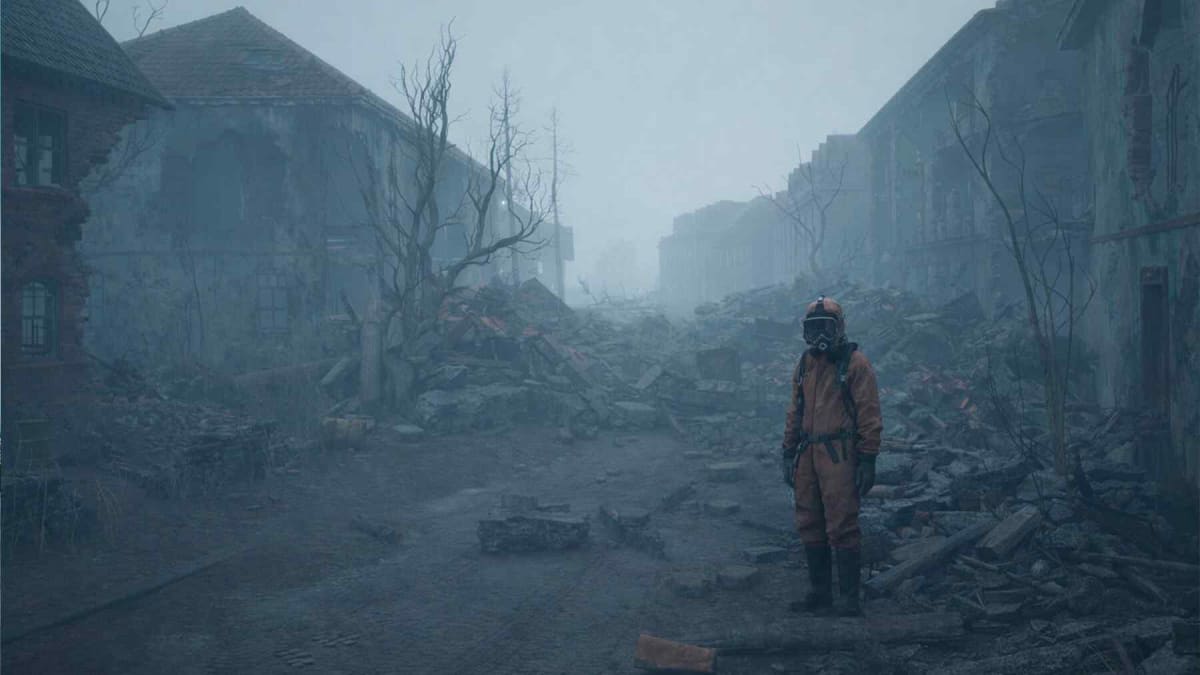
Anatoly Doroshenko crawls into one of Earth's most dangerous places up to once a month, getting within 8 meters of Chernobyl's shattered reactor core. His brave work helps scientists understand what's happening inside the ruins and keeps the world safe.

New Scientist2 min read
Meteorologist Kept Chernobyl Data Alive Under Russian Occupation
Global NewsApr 14

Meteorologist Kept Chernobyl Data Alive Under Russian Occupation

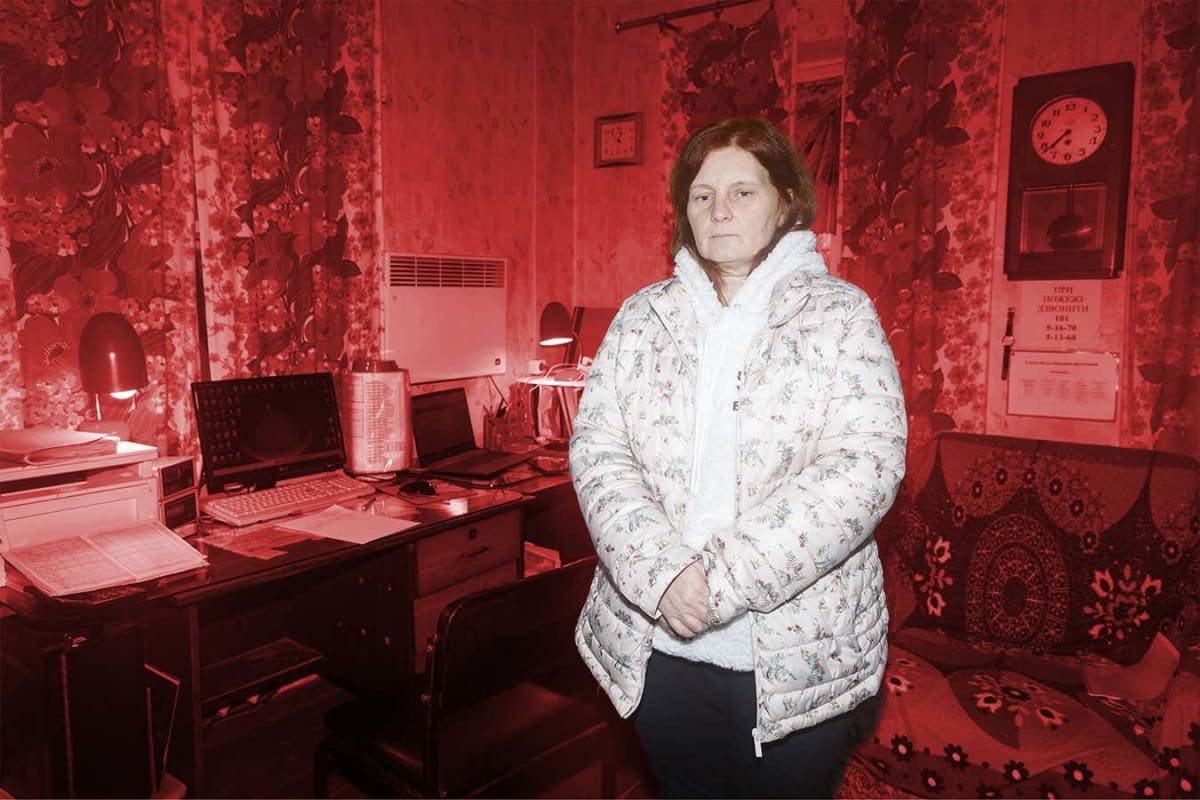
When Russian troops seized Chernobyl in 2022, one meteorologist refused to let vital radiation monitoring stop. Working in secret around armed patrols, Lyudmila Dyblenko kept her country's scientific record unbroken.

New Scientist2 min read
Scientist Eats Chernobyl Apple, Proves Nature Heals Itself
InnovationMar 21

Scientist Eats Chernobyl Apple, Proves Nature Heals Itself

A researcher ate an apple grown in Chernobyl's radioactive zone and lived to tell scientists something hopeful. Her data shows nature can filter decades of radiation to produce safe food.

Google: scientific discovery2 min read