Scientist Spent 50 Years Proving Seabirds Know Ocean Health
Bill Montevecchi turned seabirds into the ocean's best witnesses, showing how their behavior revealed hidden changes in marine ecosystems decades before it became common practice. His half-century of research in Newfoundland helped protect fisheries and shaped conservation policy across the North Atlantic.
A puffin carrying fish in its bill isn't just feeding its chicks. It's revealing whether the ocean is healthy or struggling.
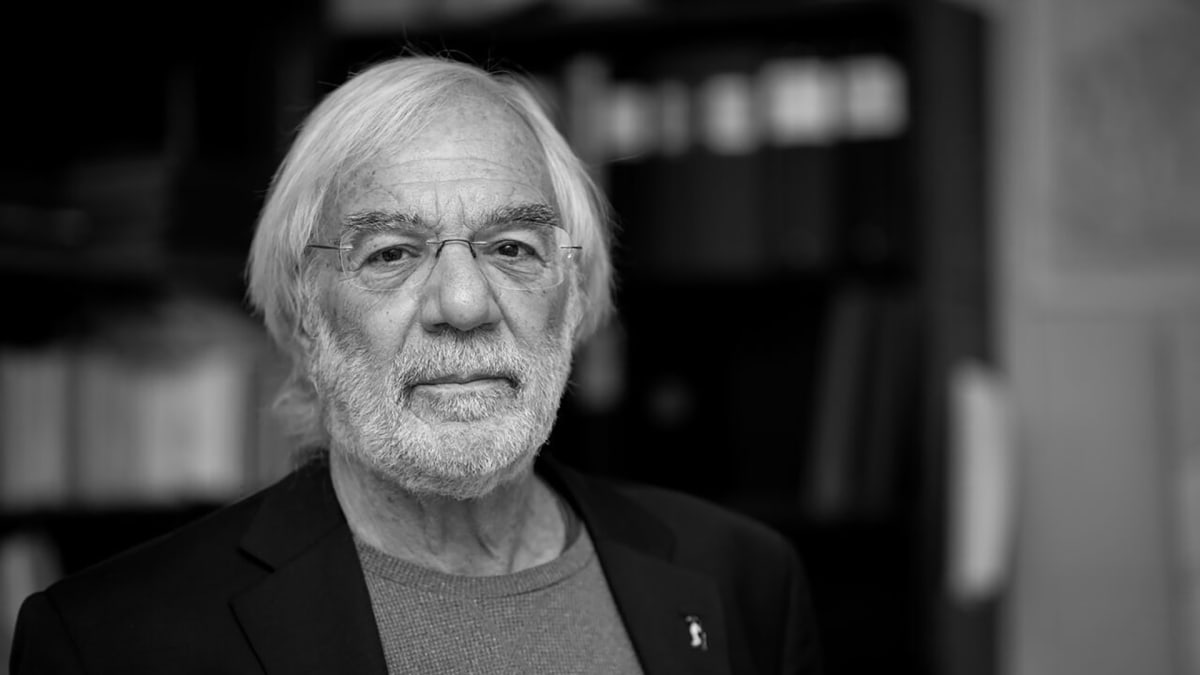
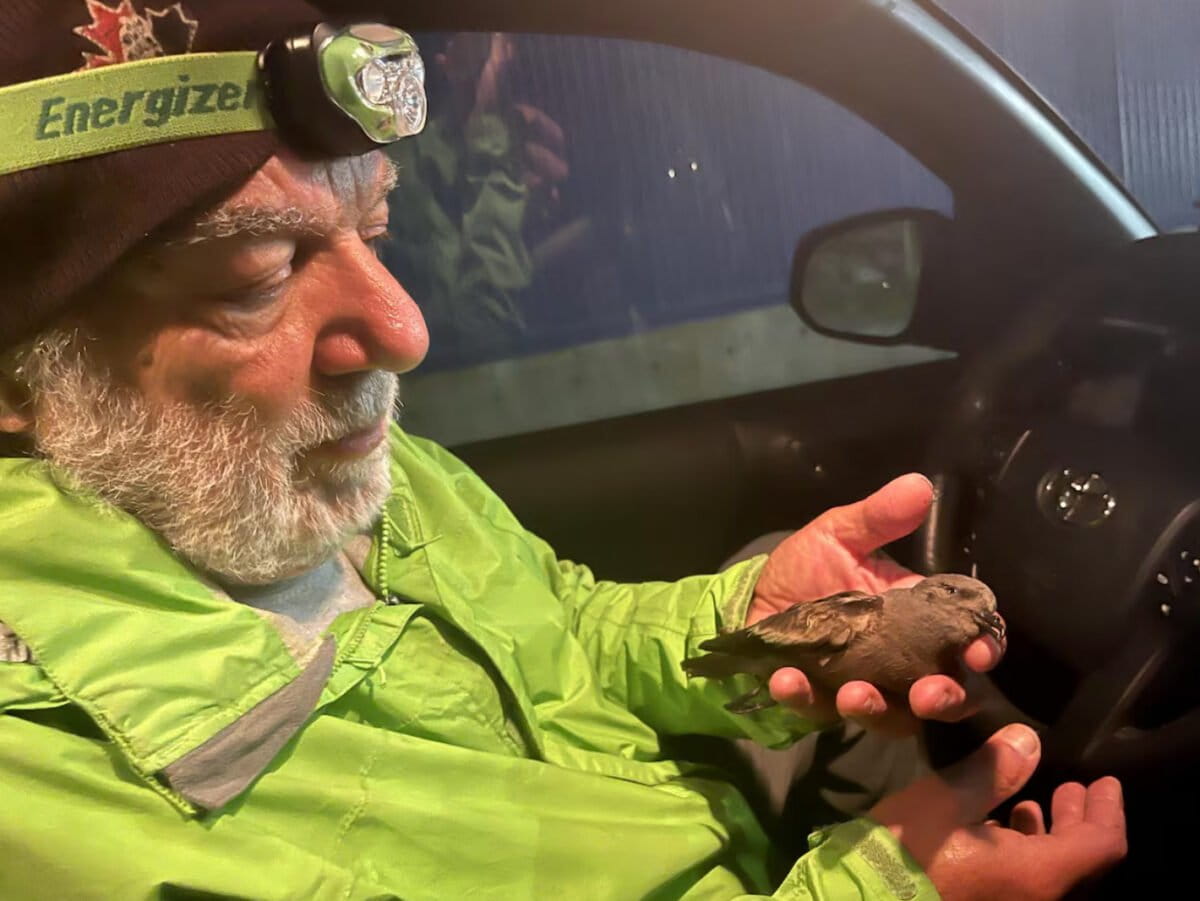
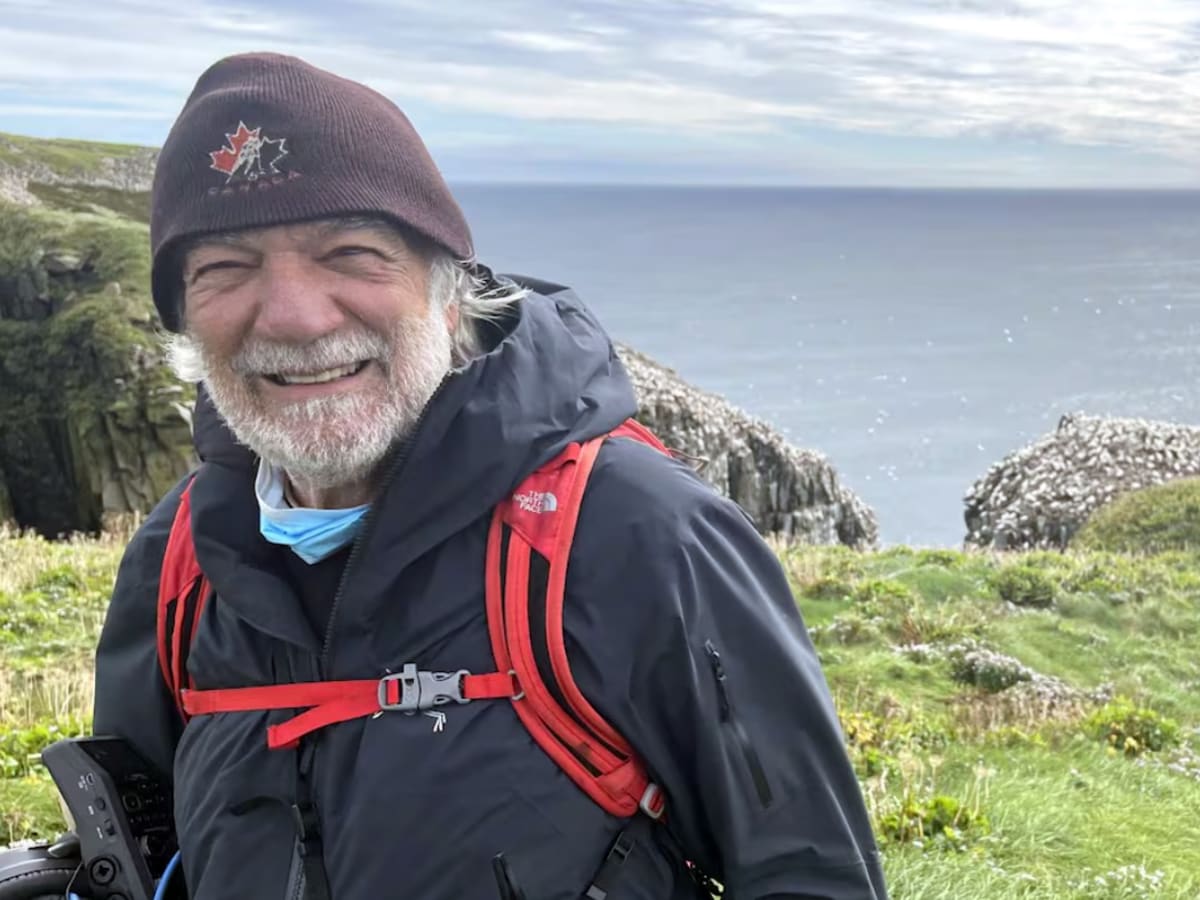
Bill Montevecchi spent more than 50 years proving that simple truth. The Memorial University scientist, who died in July at 80, transformed how we understand ocean health by treating seabirds as nature's most reliable data collectors.
Working from Newfoundland's rugged coast, Montevecchi observed something remarkable. When murres returned late to their nests or kittiwakes fed their chicks different prey, these weren't random changes. They were early warnings about shifting fish stocks, changing currents, and pollution happening miles offshore where no human could easily see.
His approach was revolutionary for its time. Rather than studying birds in isolation, he saw them as participants in a vast ecological system. A seabird's breeding success could reveal ocean conditions months before conventional surveys caught up.
The timing proved critical. When the northern cod fishery collapsed and ocean temperatures began rising in Newfoundland waters, Montevecchi's seabird observations often detected these changes first. His research helped guide fisheries management, oil spill preparedness, and marine conservation across the North Atlantic.
Much of his work happened in challenging places. Funk Island, home to one of North America's largest seabird colonies, required boat journeys and exposed climbs to breeding sites. There he counted nests, monitored success rates, and documented the daily rhythms of species most people would never encounter.
Why This Inspires
Montevecchi believed scientists had a responsibility beyond publishing papers. He wrote regular newspaper columns, gave radio interviews, and testified on environmental policy. His tone stayed measured and grounded in observation, but his message was clear: the evidence mattered, and people deserved to understand it.
Students found a mentor who encouraged independence and curiosity. Colleagues discovered someone willing to cross disciplinary boundaries, collaborating with oceanographers, psychologists, and ecologists. He also worked closely with fishers and local communities, recognizing their observations often complemented formal scientific studies.
The Pacific Seabird Group honored him with its Lifetime Achievement Award in 2021, citing his mentorship and ability to connect basic science with practical conservation. Montevecchi himself put it more simply in one of his final columns: understanding nature was enjoyable, but environmental problems demanded scientists speak up.
His decades of fieldwork established seabirds as indicators of ocean health long before the concept became widespread. Today, researchers worldwide use similar approaches to monitor marine ecosystems, building on foundations he helped create.
The North Atlantic's gray waters still hold their secrets, but thanks to Montevecchi's work, we know how to read them a little better.
More Images
Based on reporting by Mongabay
This story was written by BrightWire based on verified news reports.
Spread the positivity!
Share this good news with someone who needs it