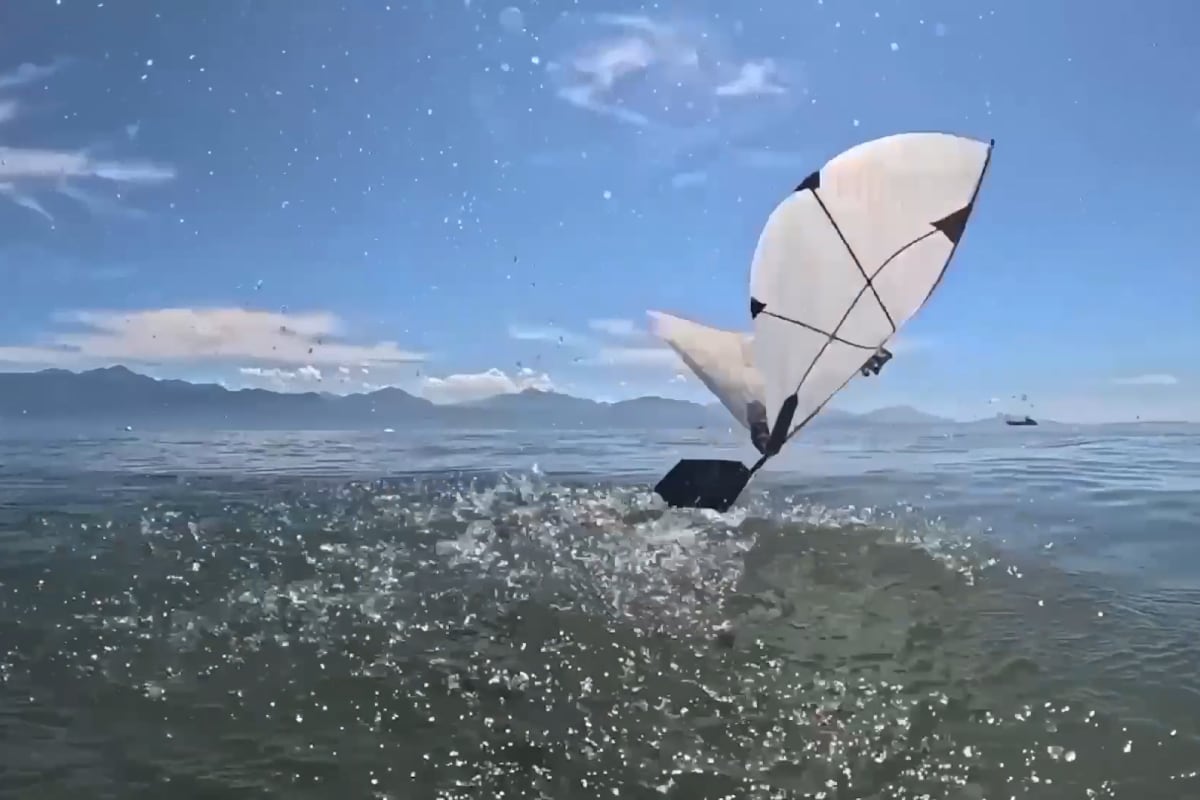
MIT Robot Swims and Flies Like a Diving Bird
Engineers at MIT and EPFL built a half-pound robot that can swim underwater and then flap its wings to fly through the air, just like puffins and gulls. The breakthrough could lead to new ocean-exploring drones that study marine life and collect water samples in dangerous areas.
Scientists just cracked one of nature's coolest tricks by building a robot that swims like a fish and flies like a bird.
Engineers at MIT and EPFL in Switzerland created a flapping-wing robot that weighs less than half a pound and moves between water and air as smoothly as a diving puffin. The tiny machine can swim underwater, burst through the surface, and take flight in seconds.
The team studied over 100 species of diving birds to understand how they pull off this amazing feat. They discovered that smaller birds like puffins flap their wings about 10 times per second in air but only four times per second in water, adapting to the fact that water is 1,000 times denser than air.
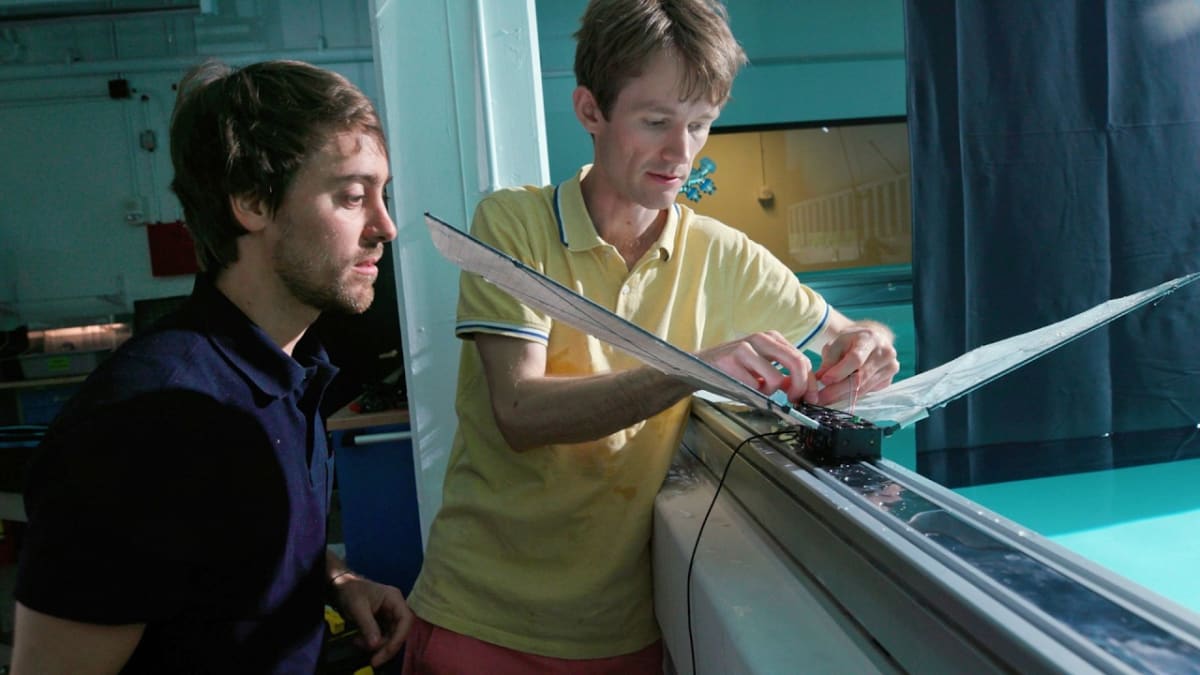
The robot mimics this natural design with flexible wings coated in special water-repelling nanoparticles and a motorized tail that helps it dive down or climb up. Raphael Zufferey, who leads MIT's AURA Lab, and his team tested three different wing sizes in water tanks and Lake Geneva to find the perfect combination of flapping speed and wing size.
After countless experiments, they achieved something no mobile robot had done before. The device successfully swam half a meter underwater, then powered up through the surface and into flight.
Why This Inspires
This breakthrough opens exciting possibilities for ocean research that seemed like science fiction just years ago. Oceanographers could soon launch these winged robots from boats or shores to fly out to icebergs, port facilities, or whale pods.
The robots could dive to collect water samples or take measurements in areas too dangerous for traditional research vessels, then fly back to deliver data at a fraction of current costs. Scientists could study melting ice sheets up close, monitor coastal health, and track marine life without putting people at risk.
Zufferey envisions marine biologists and coastal communities using fleets of these robots to protect and understand our oceans better. The design proves that nature's solutions, refined over millions of years, still have lessons to teach us about solving modern challenges.
The research appears in the journal Science and represents a major step toward a new generation of ocean-exploring vehicles inspired by the birds that master both sky and sea.
More Images
Based on reporting by MIT News
This story was written by BrightWire based on verified news reports.
Spread the positivity!
Share this good news with someone who needs it