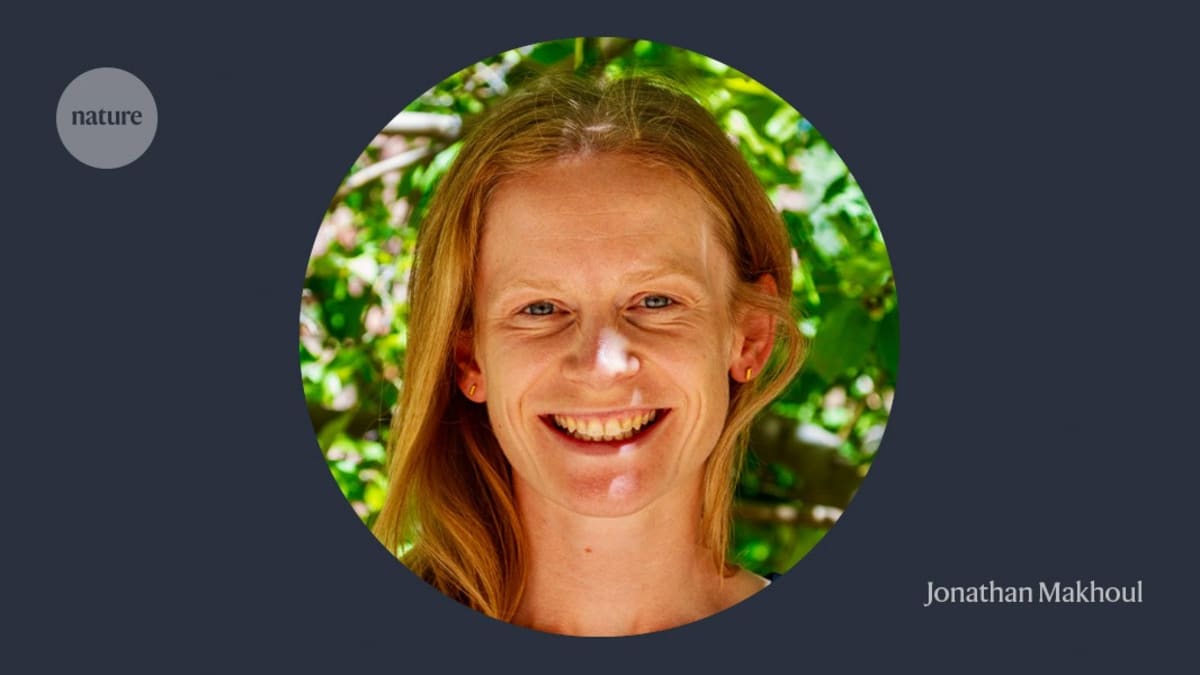
Scientist Uses Mountain Racing to Excel in the Lab
A biomaterials researcher who competes in Olympic ski mountaineering has discovered that endurance sports training directly improves her scientific work. Her approach offers a fresh perspective on handling setbacks, avoiding burnout, and building better research teams.
When colleagues notice irritability in the lab, they know the cause: a skipped morning workout changed everything about the day ahead.
A biomaterials researcher who races across mountains in summer and competes in Olympic ski mountaineering in winter has found that her athletic training makes her a better scientist. The skills she's learned while pushing her body to its limits translate directly into managing a 20-person lab and conducting groundbreaking research.
Her secret weapon for handling disappointment? The 24-hour rule. When an experiment fails or a grant gets rejected, she allows herself one day to feel upset. Then she refocuses and moves forward, just like after an underperforming race.
She's also adopted the athlete's ABC goal system for her research. Sure, getting a manuscript published is the A-goal. But mastering a new technique or gaining insight into a complex system counts as a worthy win too.
The "later becomes never" principle from training has transformed her productivity. She blocks out administration time in her calendar, tackling mundane tasks before they pile up. What seemed overwhelming often takes just ten minutes.
Endurance sports look individual, but success requires a team of coaches, nutritionists, and training partners. Research works the same way. She leans on advisers, lab mates, and collaborators, sharing struggles instead of suffering in silence.
Why This Inspires
Both athletics and academia have long glorified overwork, leading to burnout and injury. The endurance sports world is changing that narrative through research on proper training methods and the crucial importance of rest.
Scientists can learn from this shift. Learning to say "no" or "yes, but not right now" protects against stretching too thin. Just as coaches prefer advance warning about schedule changes, advisers would rather readjust a deadline than discover a missed one.
The post-workout endorphins that make her focused and efficient reveal a deeper truth: taking care of ourselves isn't selfish, it's essential for doing our best work.
Her approach shows that peak performance in any field comes not from pushing harder, but from training smarter and building the right support system along the way.
More Images



Based on reporting by Nature News
This story was written by BrightWire based on verified news reports.
Spread the positivity!
Share this good news with someone who needs it