Scientists Baffled by 'Cotton Candy' Planets Near Distant Star
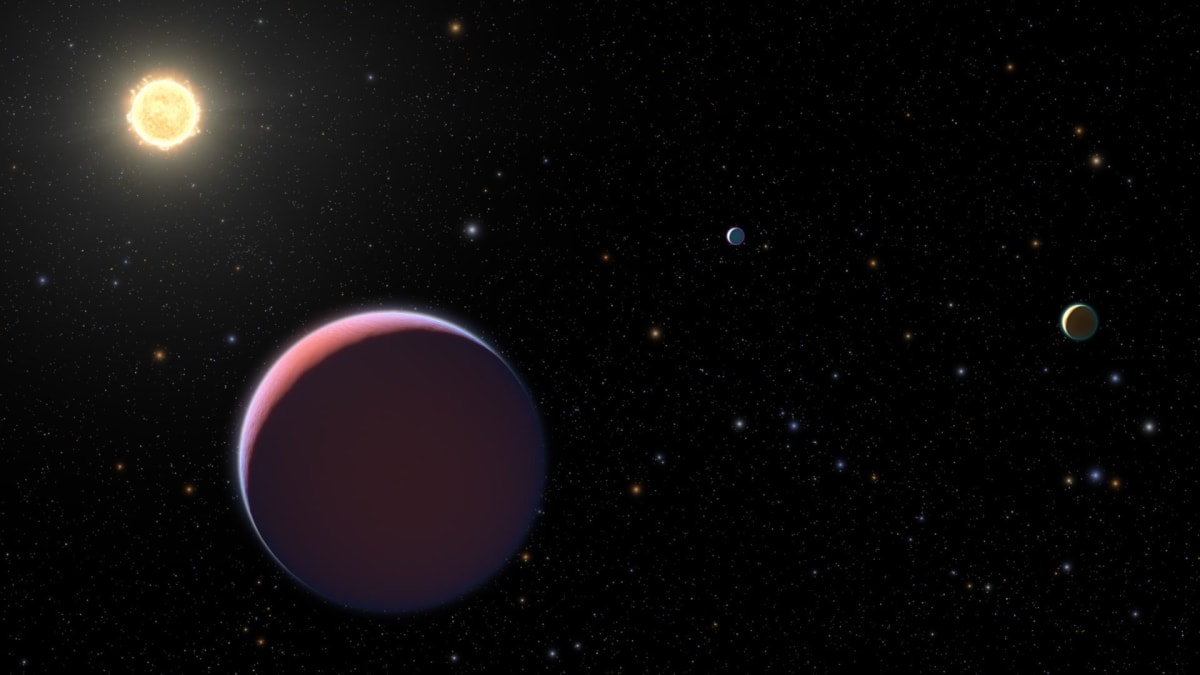
Astronomers have discovered three bizarre planets that are as light and fluffy as cotton candy, floating around a star 2,615 light years away. Even the powerful James Webb Space Telescope can't see through their mysterious hazes to understand how they formed.
Three planets lighter than cotton candy are puzzling scientists who've never seen anything like them in our solar system or beyond.
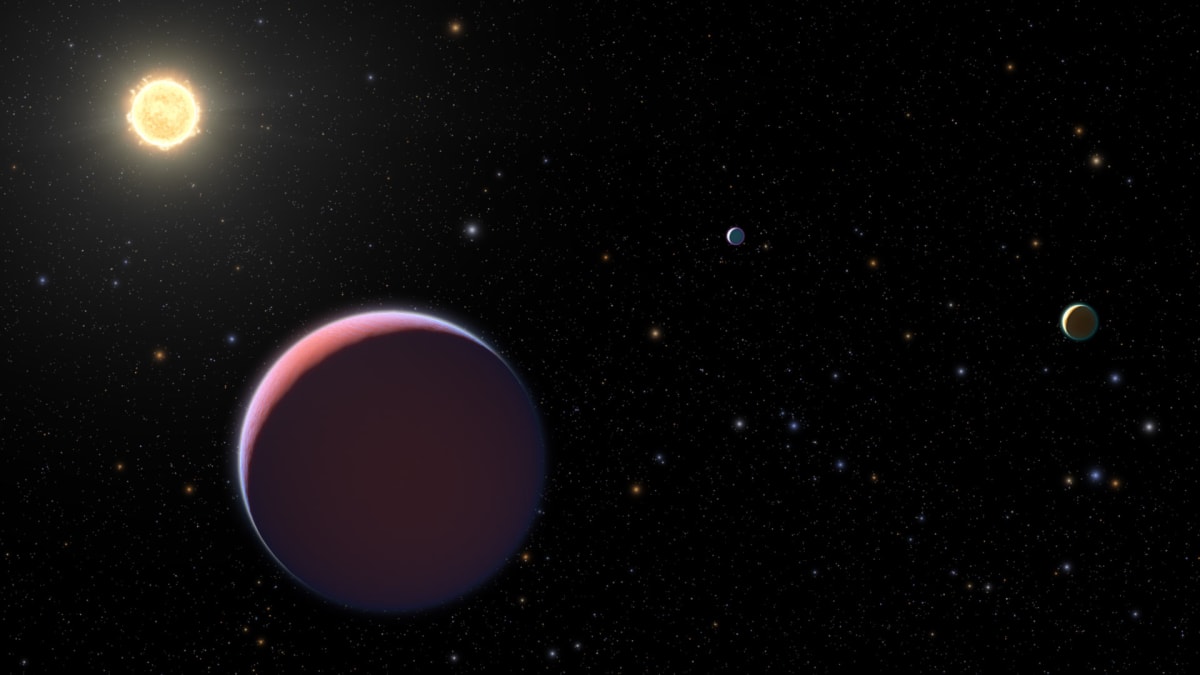
The ultra-rare worlds orbit a young sun-like star called Kepler-51, located 2,615 light years from Earth. Each planet is roughly the size of Saturn, but they're so light they would literally float on water if you could find an ocean big enough.
How light are they? One planet has only 3.7 times Earth's mass despite being seven times larger. Saturn, by comparison, weighs 95 times more than Earth while being a similar size to these puffy planets.
"These ultra-low density planets are rare and they defy conventional understanding of how gas giants form," said Jessica Libby-Roberts of the University of Tampa in Florida. "And if explaining how one formed wasn't difficult enough, this system has three!"
Scientists expected these oddball planets would reveal their secrets through careful observation. In 2020, Libby-Roberts used the Hubble Space Telescope to analyze the planets' atmospheres as they passed in front of their star, hoping to detect chemical signatures that would explain their formation.
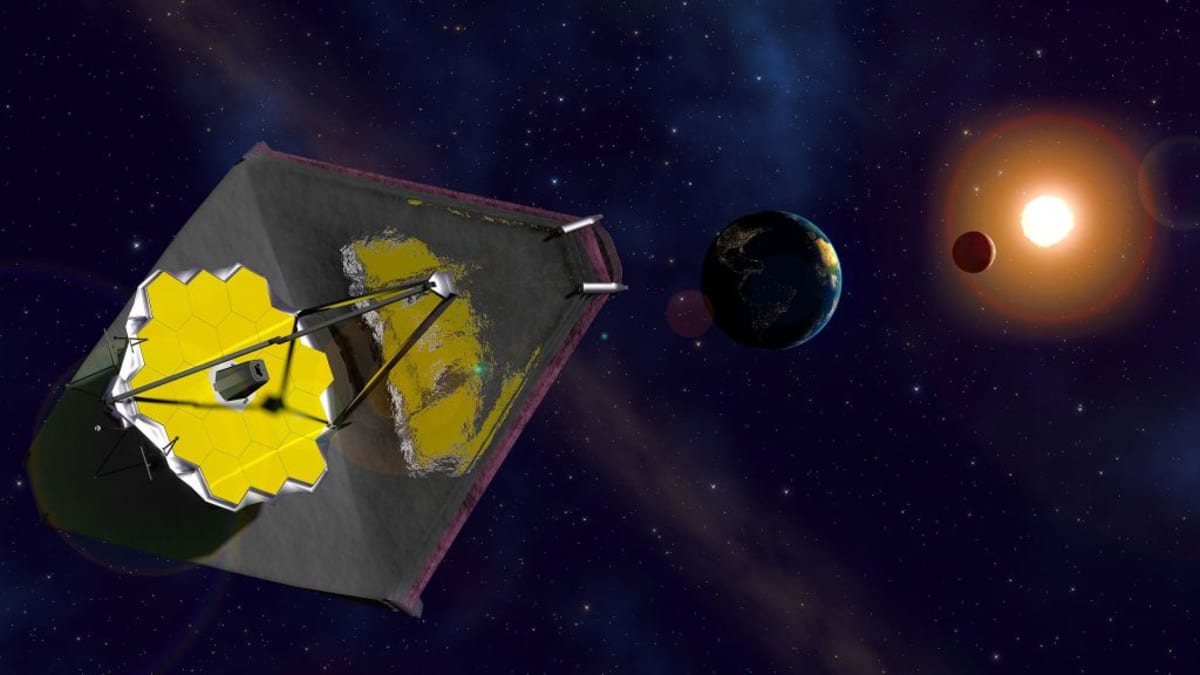
The telescope found nothing but haze. So the team turned to the more powerful James Webb Space Telescope, which can see deeper into space and atmosphere than any instrument ever built.
Even Webb couldn't penetrate the thick fog surrounding Kepler-51d, the planet they studied most closely. The haze appears to be the thickest ever encountered on any known exoplanet, possibly similar to the methane-rich atmosphere on Saturn's moon Titan.
Why This Inspires
These mysterious cotton candy planets remind us how much we still have to discover about our universe. Unlike the gas giants in our solar system, which formed around massive, dense cores, these fluffy worlds have tiny cores surrounded by enormous atmospheres of hydrogen and helium.
Scientists don't yet understand how such small cores could attract so much gas. The answer might change what we know about planet formation everywhere.
The discovery shows that even with our most advanced telescopes, the universe still holds secrets worth uncovering. Sometimes the best discoveries are the ones that leave us with more questions than answers, pushing us to look deeper and think harder about the cosmos.
There are worlds out there stranger than we ever imagined.
More Images

Based on reporting by Space.com
This story was written by BrightWire based on verified news reports.
Spread the positivity!
Share this good news with someone who needs it