Scientists Bake Sourdough From 5,300-Year-Old Mummy Yeast
Researchers discovered living yeast on Ötzi the Iceman's mummified remains and successfully baked sourdough bread with it. The ancient microbes survived over five millennia in freezing Alpine conditions and could revolutionize fermentation industries.
Scientists just baked fresh sourdough bread using yeast that's been chilling on a 5,300-year-old mummy, and according to the lead researcher, it turned out "very very good."
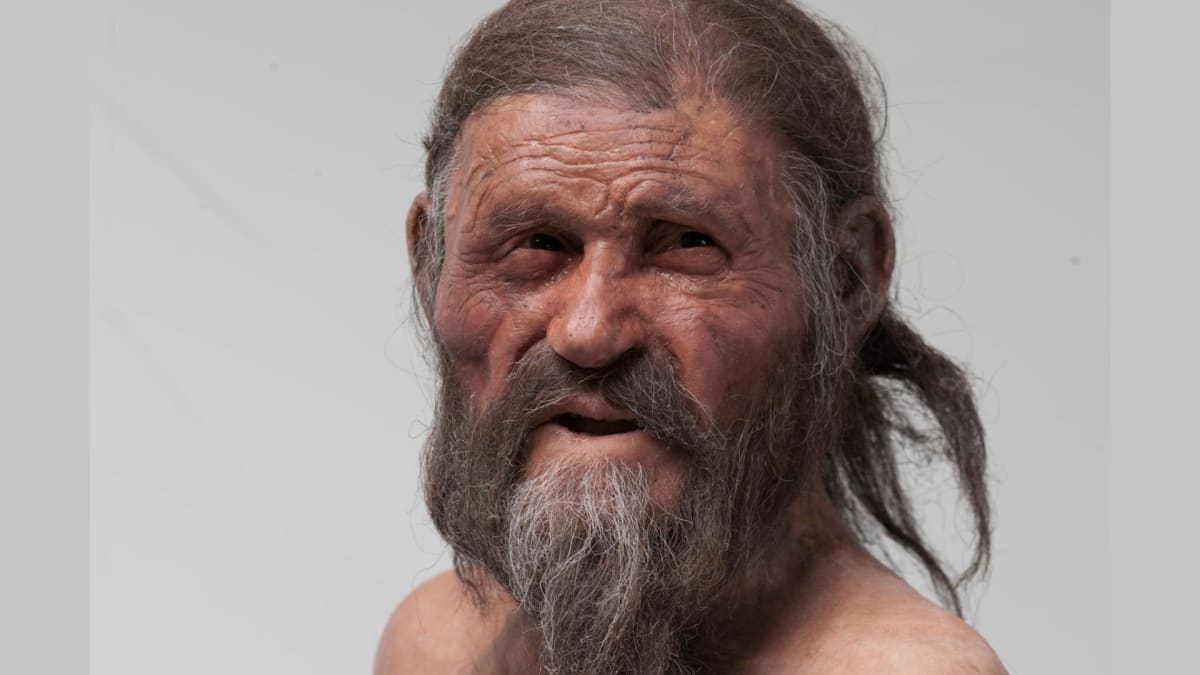
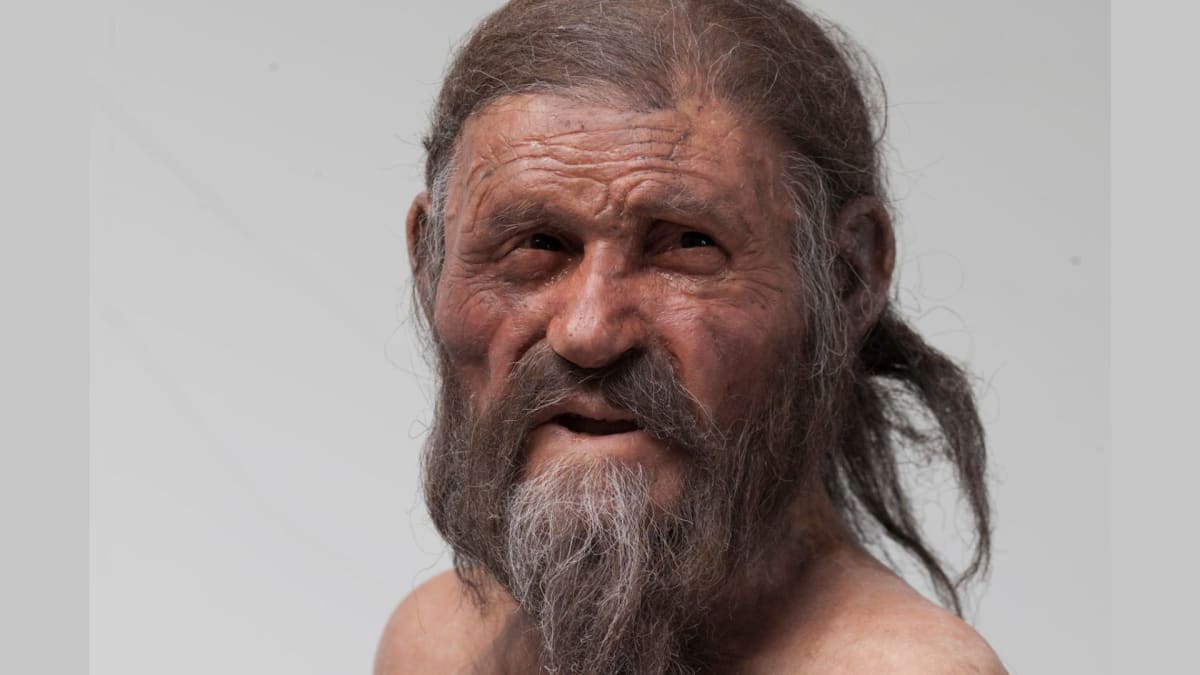
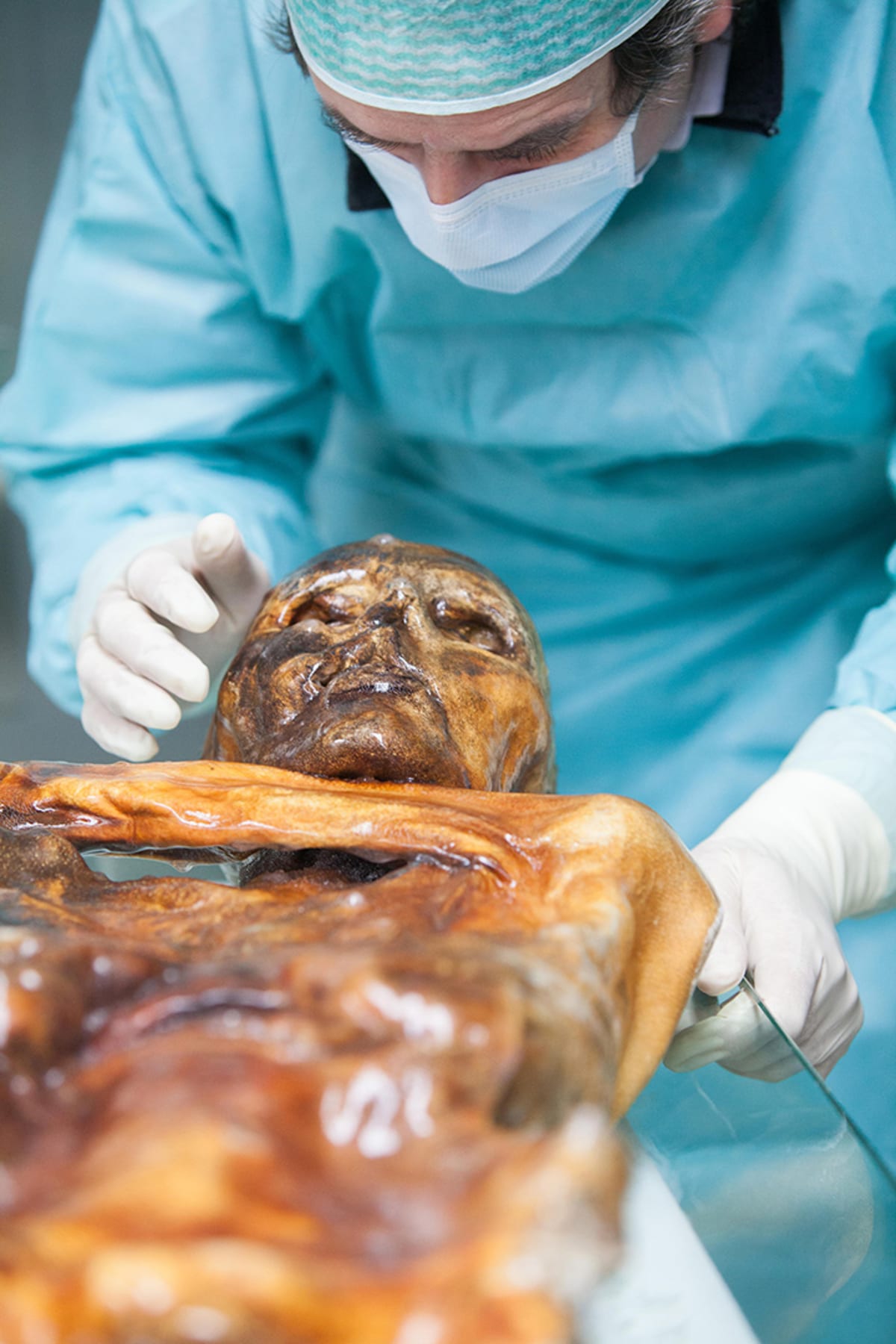
The remarkable discovery comes from Ötzi the Iceman, whose naturally mummified body was found in the Italian Alps in 1991. Researchers at the Eurac Research Institute for Mummy Studies were studying the ancient microbes covering his remains when they made an unexpected find.
Cold-adapted yeasts from the Alpine glaciers had colonized Ötzi's skin and stomach shortly after his death. Even more surprising, some of these microscopic survivors remained active despite being stored at 21 degrees Fahrenheit for over three decades.
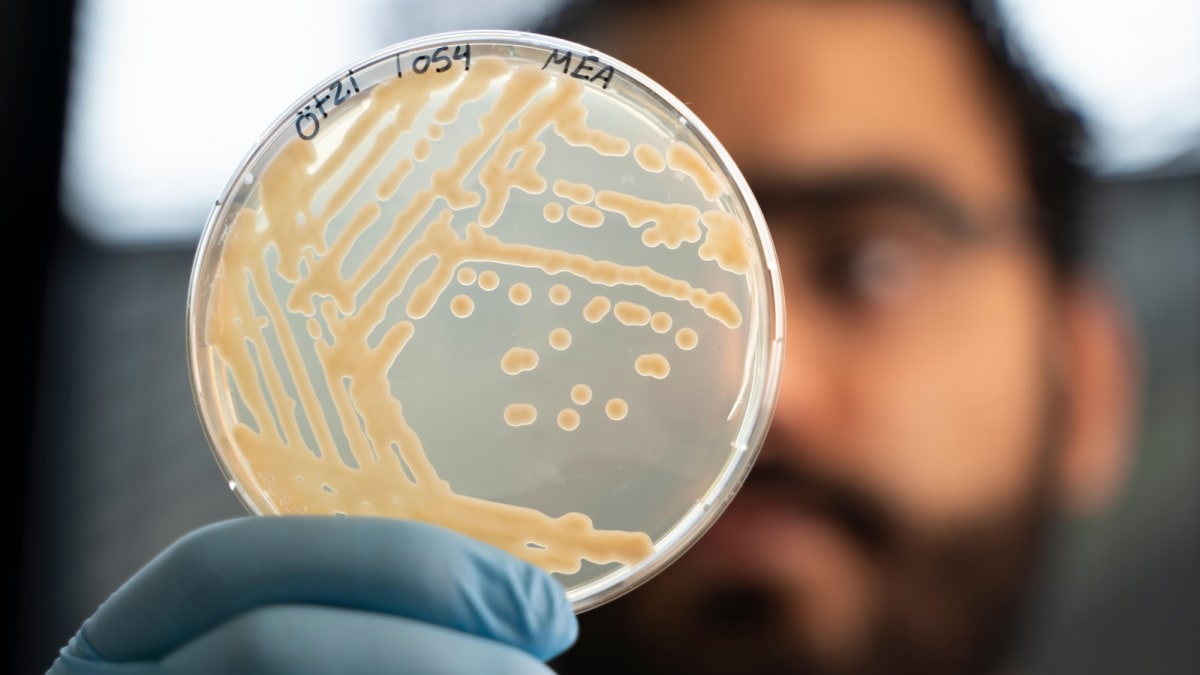
Mohamed Sarhan, the microbiologist who led the study, decided to test whether these ancient yeasts could still do what yeast does best. His team cultivated four different strains and tried baking with them.
The experiment worked beautifully. "As a dough, it was very very good," Sarhan told Live Science about the prehistoric sourdough starter.
Why This Inspires
This discovery bridges an incredible gap between ancient history and modern innovation. The same microbes that existed when humans were just beginning to farm wheat can still help us bake bread today.
The yeasts' ability to survive in extreme cold for millennia while remaining functional opens exciting possibilities. Fermentation industries could cultivate these resilient strains for making artisanal breads and beers with unique characteristics shaped by thousands of years of Alpine adaptation.
Beyond the novelty of ancient bread, the research reveals how remarkably adaptable life can be. These microscopic organisms persisted through dramatic climate changes, glacial movements, and modern preservation techniques without losing their essential functions.
The study, published in the journal Microbiome, also helps scientists better understand how to preserve archaeological treasures. Researchers now know that both ancient and modern microbes are actively living on Ötzi's remains, which could inform future conservation strategies for similar discoveries.
Ötzi himself lived a fascinating final chapter before his murder at age 40. Analysis of his stomach contents showed he ate ibex, red deer, and wheat just before his death, making the wheat-fermenting yeast discovery feel like a full-circle moment connecting his last meal to this breakthrough.
The discovery proves that sometimes the most remarkable innovations come from looking backward, and that ancient solutions might help us create better products for tomorrow.
More Images

Based on reporting by Live Science
This story was written by BrightWire based on verified news reports.
Spread the positivity!
Share this good news with someone who needs it