Scientists Block Virus That Infects 95% of People Worldwide
Researchers created antibodies that stopped Epstein-Barr virus from infecting mice with human immune systems. This breakthrough could protect transplant patients from life-threatening complications.
Scientists at Fred Hutch Cancer Center just took a major step toward defeating a virus that nearly all of us carry.
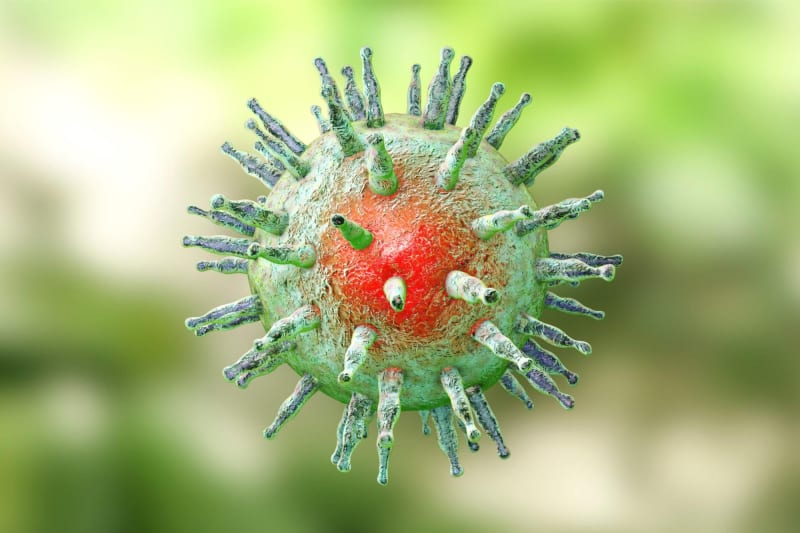
The Epstein-Barr virus infects about 95% of people worldwide and has been linked to several cancers and long-term health problems. Until now, doctors had no reliable way to stop it.
The research team faced a tricky puzzle. EBV is especially hard to block because it latches onto nearly every B cell in our immune system, unlike other viruses that target fewer cells.
Their solution? They used mice engineered with human antibody genes to create fully human antibodies. These antibodies target two key proteins that help EBV attach to and enter our cells.
The results, published in Cell Reports Medicine, showed one antibody completely prevented EBV infection in mice with humanized immune systems. A second antibody offered partial protection.
"After many years of searching for a viable way to protect against Epstein Barr virus, this is a significant stride for the scientific community," said Dr. Andrew McGuire, the lead biochemist on the project.
The Ripple Effect
This discovery could be life-changing for the 128,000 Americans who receive organ or bone marrow transplants each year. These patients take immune-suppressing drugs to prevent rejection, leaving them vulnerable to EBV.
When EBV spreads unchecked in transplant recipients, it can cause post-transplant lymphoproliferative disorders, an aggressive and sometimes deadly form of lymphoma. Children face especially high risk because many haven't been exposed to EBV yet and lack natural immunity.
Dr. Rachel Bender Ignacio, an infectious disease physician involved in the study, explained that preventing EBV infection has strong potential to reduce these dangerous complications. Right now, no targeted treatments exist for this vulnerable period.
The team is now working toward a therapy where these antibodies would be infused into high-risk patients before or after transplantation. The treatment would first need safety testing in healthy volunteers before advancing to clinical trials with transplant recipients.
Beyond transplant patients, this research validates a new approach for discovering protective antibodies against other stubborn pathogens. Crystal Chhan, the PhD student who helped lead the work, called it an exciting reminder of how science often leads to unexpected discoveries.
Fred Hutch has already filed for intellectual property protection and is partnering with industry collaborators to move the potential therapy forward.
More Images
Based on reporting by Google News - Breakthrough Discovery
This story was written by BrightWire based on verified news reports.
Spread the positivity!
Share this good news with someone who needs it