Scientists Boost Solar Cell Efficiency by 22% With Salt
A Chinese research team just made solar panels more efficient using a simple chemical treatment. Their breakthrough could help make clean energy cheaper and more accessible for everyone.
Scientists in China have discovered a way to make solar cells significantly more powerful using nothing more than a potassium salt solution.
Researchers at Shandong Police College improved the efficiency of kesterite solar cells by 22%, jumping from 6.59% to 8.04%. The best part? Their method uses a simple soaking process that could be easy to scale up for mass production.
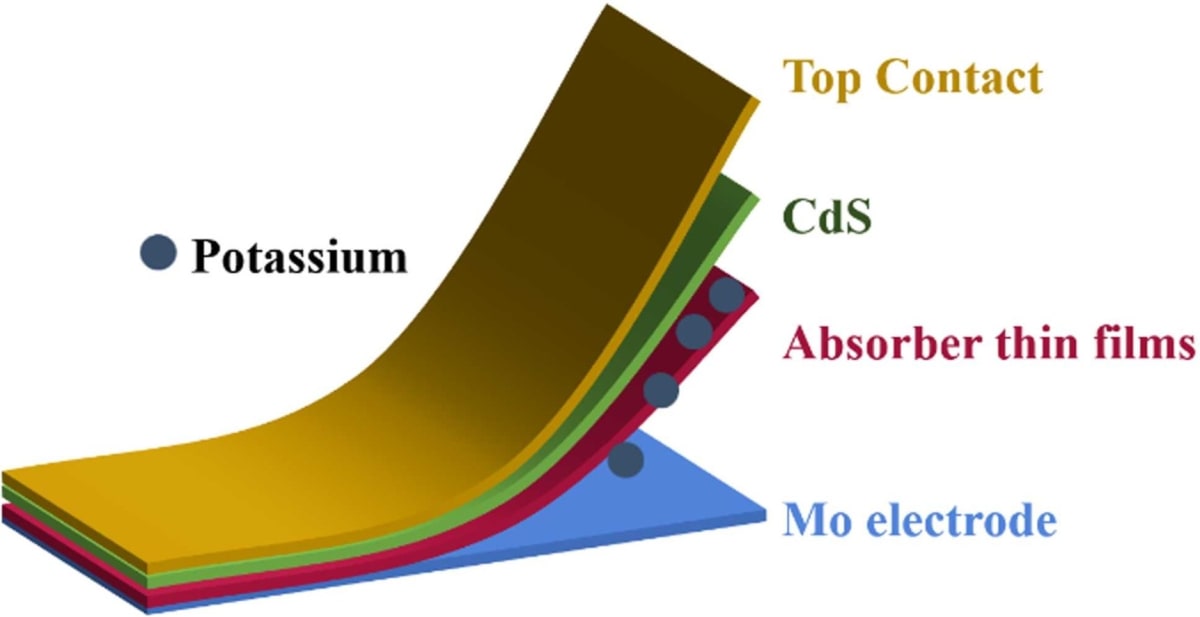
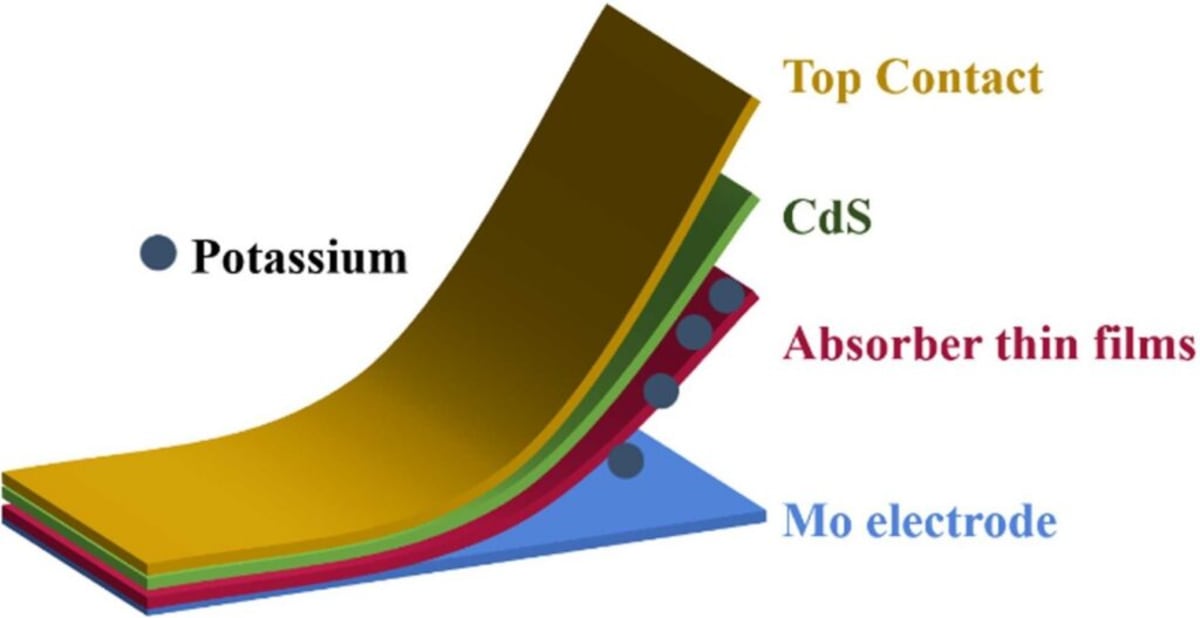
The team worked with a type of solar cell made from copper, zinc, tin, and selenium. These materials are more abundant and less toxic than many alternatives, making them promising for widespread solar energy adoption. However, getting them to work efficiently has been a major challenge until now.
The breakthrough came from treating the solar cell material with potassium fluoride, a common salt compound, before the final manufacturing steps. The researchers tested different concentrations and found that soaking the cells in a 6 millimole solution for 20 minutes produced the best results. Too little potassium had minimal effect, while too much actually made things worse.
The treatment works by helping larger, better quality crystals form during manufacturing. It also prevents the loss of tin, one of the key materials, which tends to evaporate during the high temperature processing. This creates a cleaner interface between layers and reduces defects that waste energy.
The improved cells generated more voltage and current while maintaining their ability to convert light into electricity. Computer simulations helped the team understand exactly why the treatment worked so well, showing that it dramatically reduced energy-wasting defects where different layers meet.
Why This Inspires
This discovery matters because solar energy needs to become both cheaper and more efficient to replace fossil fuels worldwide. Kesterite solar cells use Earth-abundant materials instead of rare or toxic ones, but they've struggled to compete with other technologies on performance.
By boosting efficiency with such a simple treatment, this research brings us closer to affordable, sustainable solar panels that anyone can access. The team's method doesn't require expensive equipment or rare chemicals, just careful optimization of existing manufacturing processes.
Clean energy breakthroughs like this remind us that sometimes the biggest advances come from simple, elegant solutions rather than complex innovations.
More Images


Based on reporting by PV Magazine
This story was written by BrightWire based on verified news reports.
Spread the positivity!
Share this good news with someone who needs it