Scientists Build 6kg CT Scanner Small Enough to Hold
Chinese researchers just created the world's smallest CT scanner, weighing only 6kg and fitting in one hand. This portable device could revolutionize how scientists study fossils and archaeological treasures right where they're discovered.
Imagine being able to scan ancient fossils or priceless artifacts without ever moving them from an excavation site.
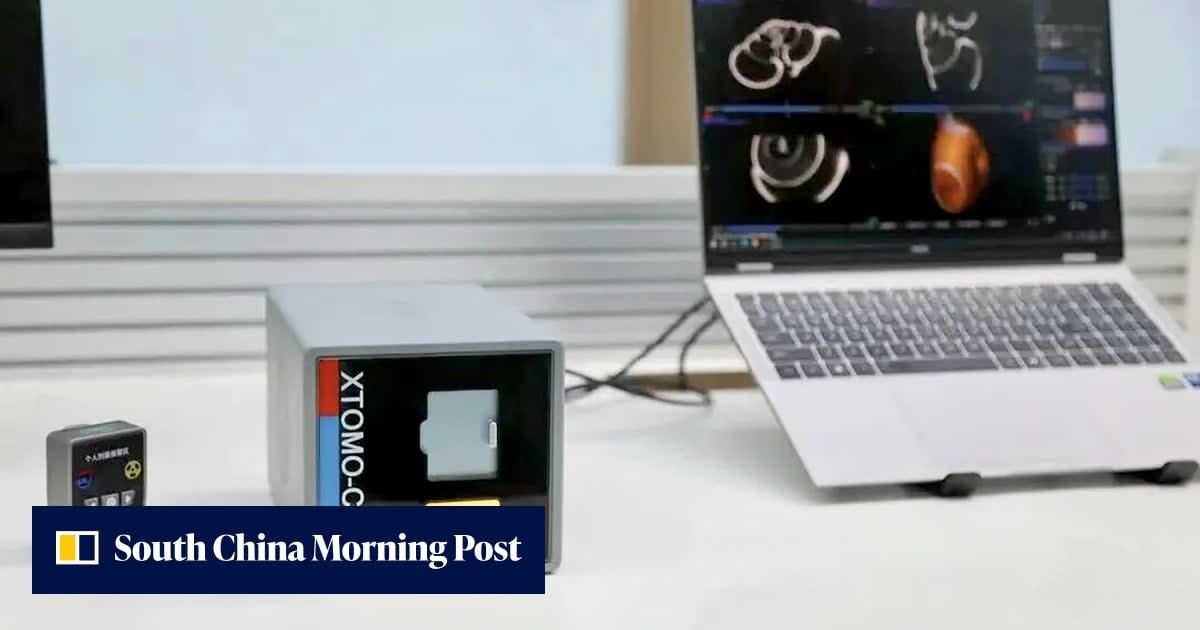
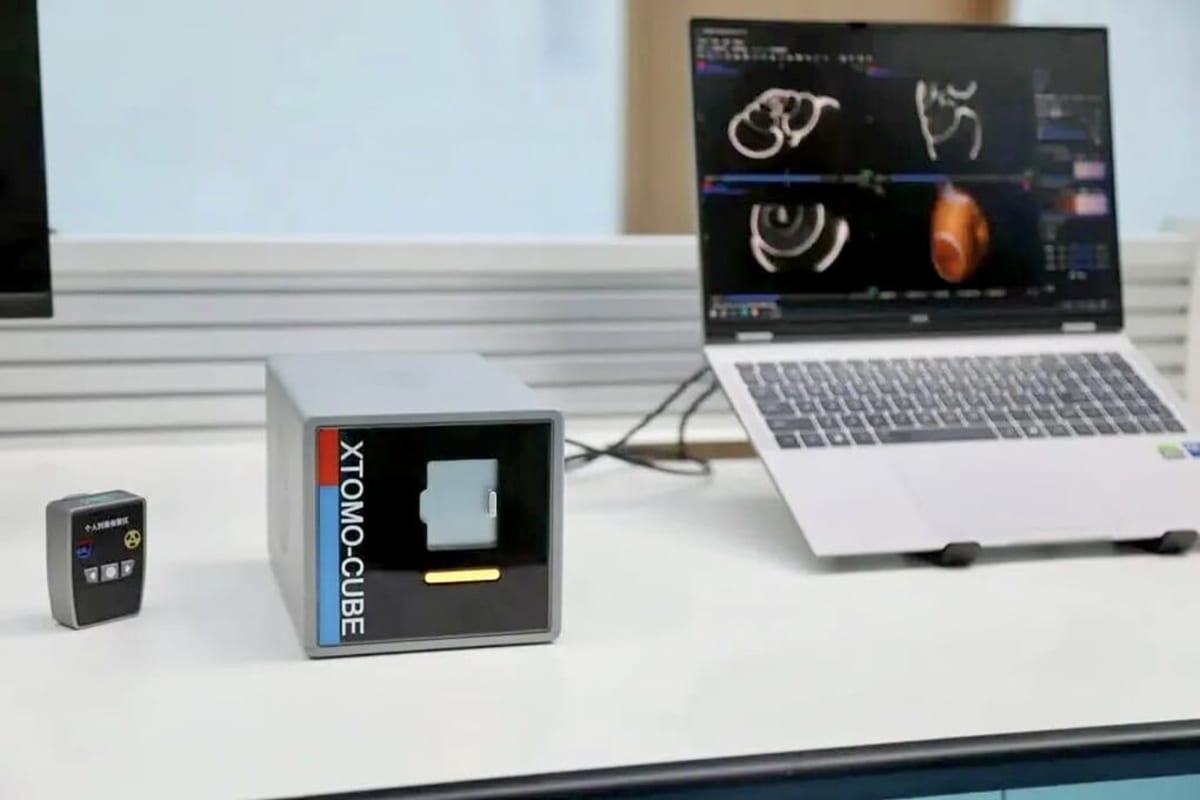
Chinese scientists at Rayim in Shandong province just made that possible. They've developed the Xtomo-Cube, a CT scanner that weighs just 6kg and is about the size of a desktop speaker.
The device earned the nickname "palm-sized CT scanner" because researchers can literally hold it in one hand. Liu Baodong, a senior engineer at the Chinese Academy of Sciences and general manager of Rayim, announced the breakthrough earlier this week.
Traditional CT scanners are massive machines that require special rooms and can weigh thousands of pounds. This new scanner brings hospital-grade imaging technology into the field, where scientists need it most.
The Xtomo-Cube can detect details as small as 80 micrometers, roughly the width of a human hair. It works on objects ranging from tiny snail shells to medicine capsules, giving researchers incredible flexibility.
For archaeologists and paleontologists, this changes everything. Delicate fossils and ancient relics no longer need to survive risky transportation to laboratories for analysis.
Scientists can now scan discoveries right at dig sites, getting instant insights without risking damage to irreplaceable specimens. This could speed up research dramatically and protect fragile finds that might not survive a journey to traditional scanning facilities.
The Ripple Effect
The portable scanner opens doors beyond archaeology. Field biologists studying small creatures can now analyze specimens in remote locations. Medical researchers working in areas without hospital infrastructure gain access to imaging technology previously unavailable to them.
The device could make scientific research more accessible in developing regions where traditional CT scanners are too expensive or impractical. Remote communities and field stations worldwide could benefit from technology that once required multimillion-dollar facilities.
Museums might use it to examine artifacts in their collections without risking damage from transport. Conservation teams could assess the internal structure of endangered species specimens to better understand and protect them.
This breakthrough shows how making technology smaller and more portable can multiply its positive impact across countless fields.
More Images

Based on reporting by South China Morning Post
This story was written by BrightWire based on verified news reports.
Spread the positivity!
Share this good news with someone who needs it