Scientists Build Atlas to Mine Rare Metals With Microbes
Researchers are creating the first-ever atlas of proteins that can pull rare earth elements from waste, potentially freeing America from dependence on imported materials that power our phones, cars, and medical equipment. The $2 million project uses machine learning to find nature's tiny metal miners hiding in soil.
📺 Watch the full story above
Imagine if the solution to America's critical mineral shortage was hiding in dirt all along.
Scientists at the National Laboratory of the Rockies and Pacific Northwest National Laboratory are building something that sounds like science fiction: a comprehensive atlas of naturally occurring proteins that can grab onto rare earth elements. These microscopic powerhouses could help extract the essential metals that make our electric vehicles, MRI machines, and smartphones work.
Right now, the United States imports most of these critical elements like neodymium and dysprosium from China. That puts our technology supply chain at risk.
The solution lives in microbes, the most abundant life form on Earth. Scientists recently discovered that proteins within these tiny organisms naturally recognize and bind to rare earth elements.
"We want to understand the natural diversity of these proteins so that we can predict where to find more," said Alli Werner, senior biological engineer leading the project. The team received $2 million from the U.S. Department of Energy to make it happen.
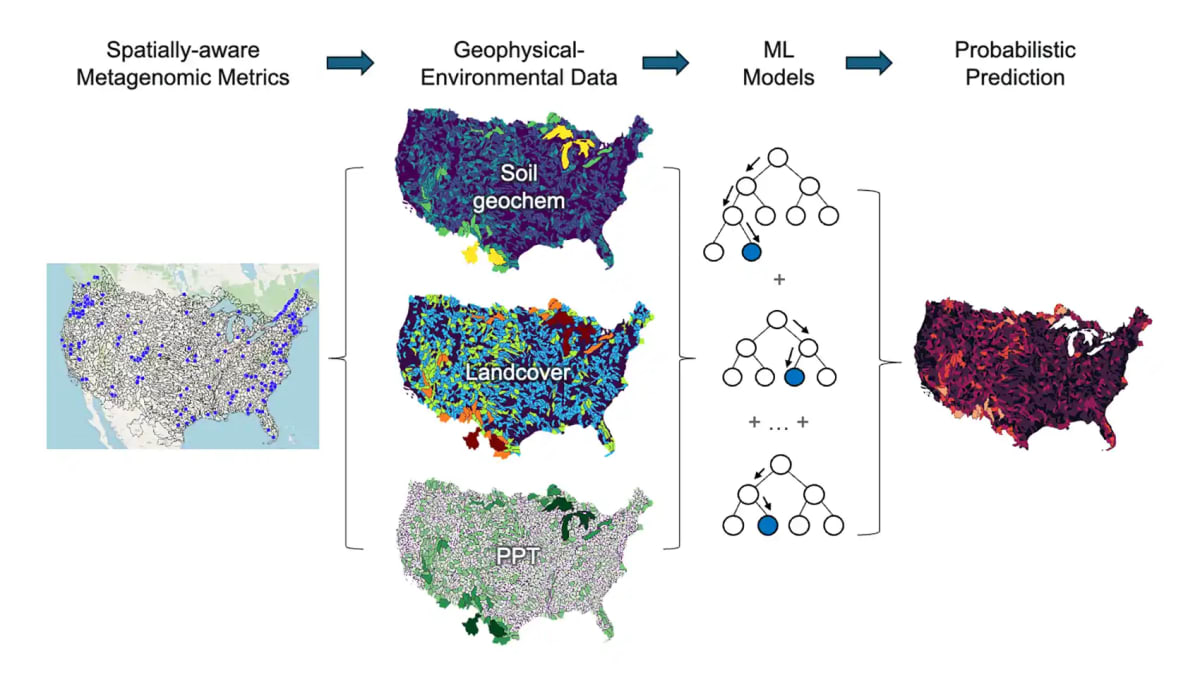
Here's how it works. The researchers use machine learning models to create a map showing where in American soil they're likely to find microbes with the right metal-grabbing proteins. They layer geographic data, soil chemistry, and environmental conditions to predict the best digging spots.
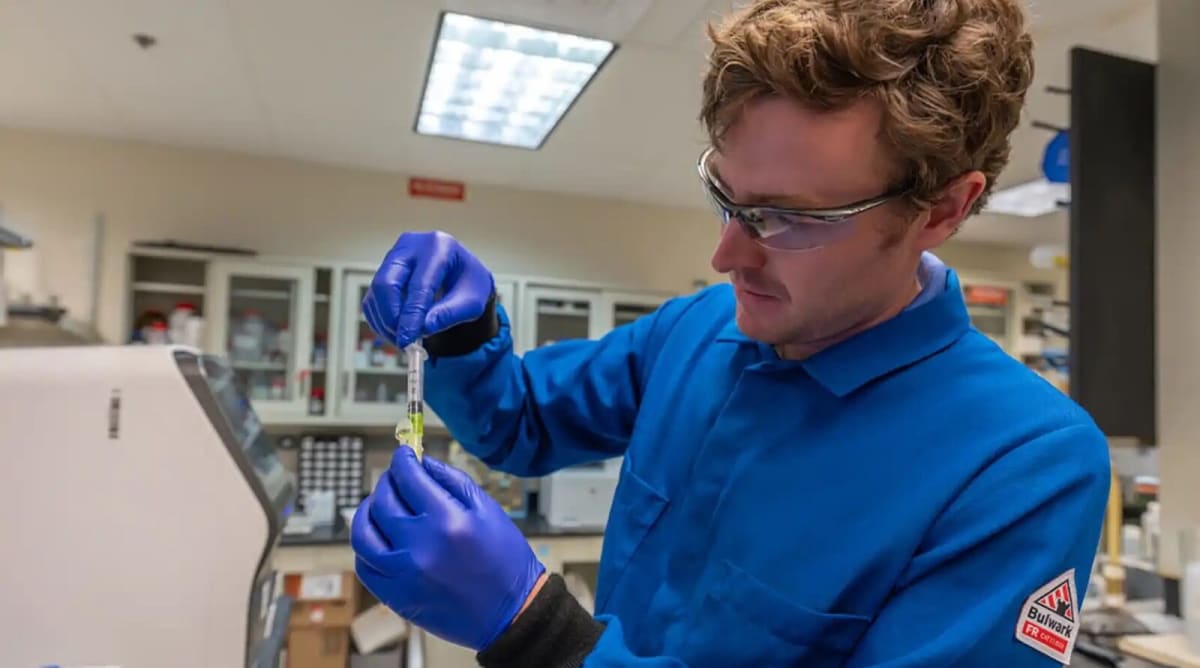
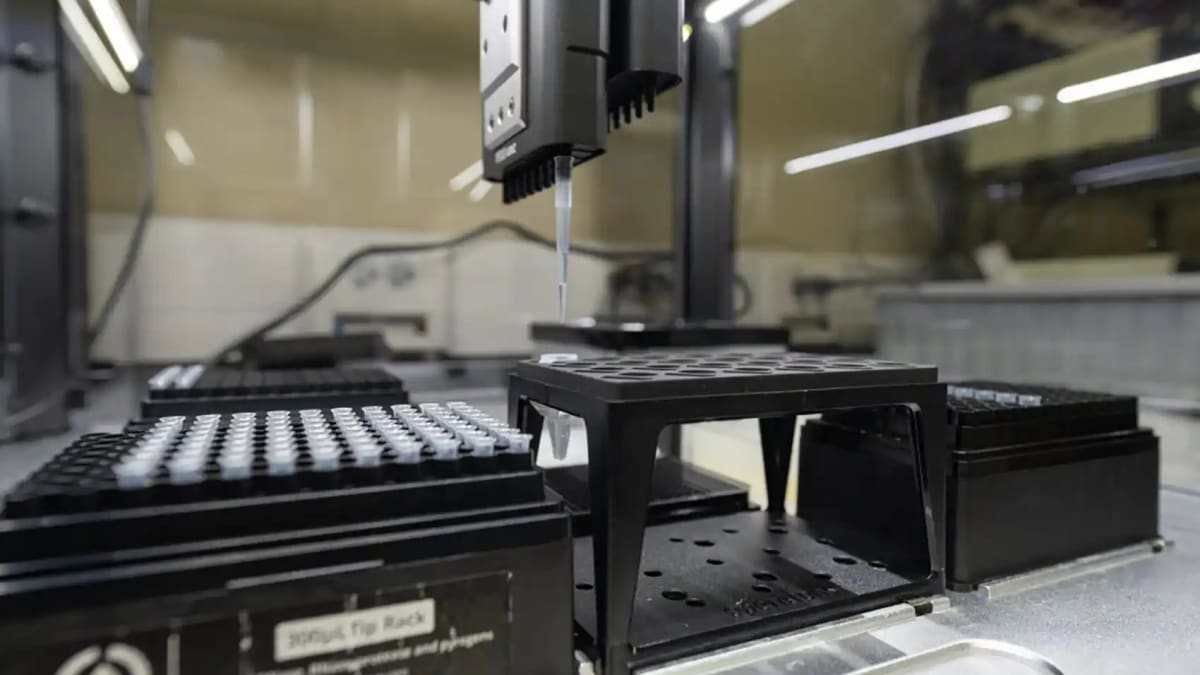
Once they collect samples, robotic systems at the lab rapidly test hundreds of protein combinations. The goal is finding proteins that bind strongly enough to capture metals but can also release them, working like tiny recycling machines over and over without breaking down.
The team is most excited about proteins that stay stable through multiple cycles. These could be incorporated into systems that extract valuable metals from domestic waste like old electronics and mining materials.
The Ripple Effect
This atlas represents more than just a scientific catalog. It's a roadmap to American energy independence and a cleaner way to get the materials our modern world needs.
Traditional rare earth mining and refining involves harsh chemicals and creates environmental damage. Using proteins from microbes offers a biological alternative that could be gentler on the planet while building a fully domestic supply chain.
The robotics-enabled validation pipeline at the National Laboratory can screen potential proteins faster than ever before. Each successful candidate brings us closer to recovering critical minerals right here at home.
The technology could transform electronic waste from landfill material into a valuable resource. Your old phone might contain the rare earth elements for someone else's electric car battery.
Beyond reducing import dependence, this work supports American jobs in the emerging biotech and critical minerals sectors. It connects cutting-edge science with practical solutions the country needs now.
Nature spent billions of years evolving these metal-binding proteins, and now we're learning to put them to work for a sustainable future.
More Images
Based on reporting by CleanTechnica
This story was written by BrightWire based on verified news reports.
Spread the positivity!
Share this good news with someone who needs it