Scientists Build DNA Robots That Could Hunt Viruses in Blood
Researchers are creating microscopic robots made from DNA that could one day deliver drugs directly to diseased cells and capture viruses in the bloodstream. While still experimental, these molecular machines represent a breakthrough in combining biology with robotics.
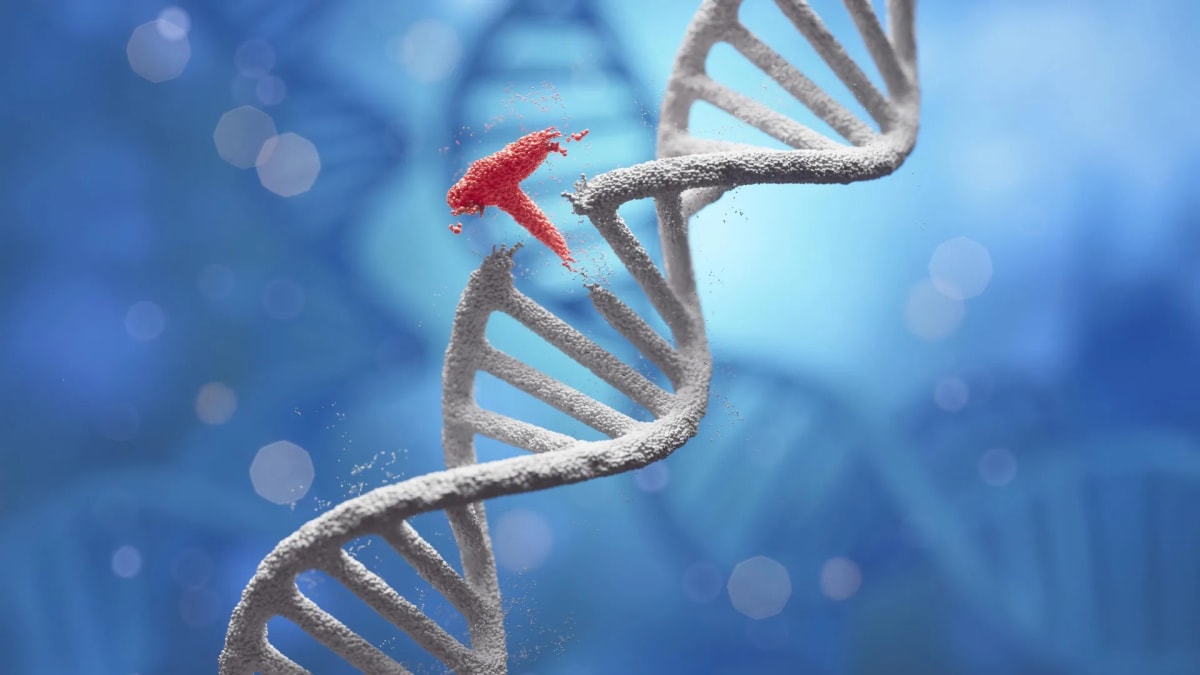
Scientists have successfully built tiny robots out of DNA that can move, follow commands, and perform tasks at a scale smaller than anything we've seen before.
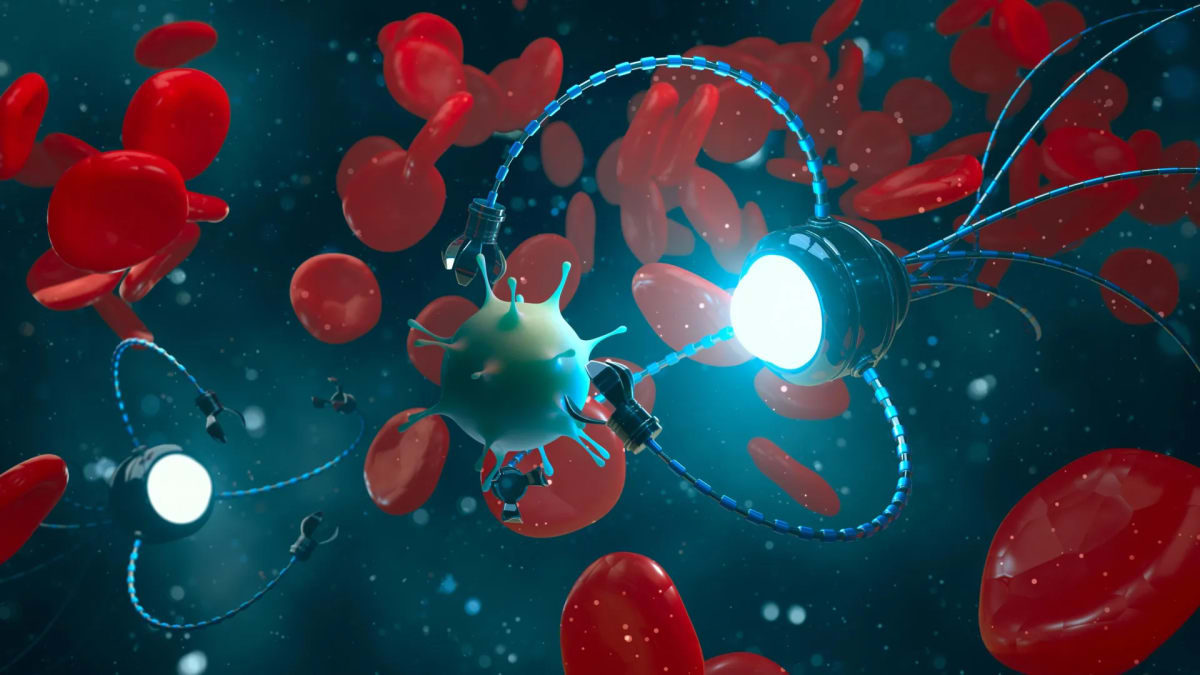
These molecular machines aren't science fiction anymore. Researchers at Harbin Institute of Technology have engineered DNA strands into working robots that could eventually travel through your bloodstream, hunting down cancer cells or capturing viruses like COVID-19 before they spread.
The breakthrough comes from combining traditional robotics principles with DNA origami, a technique that folds genetic material into precise shapes. Just like larger robots need joints and flexible parts to move, these DNA machines use similar designs scaled down to the nanometer level.
Controlling something that small presents unique challenges. Researchers developed two main approaches: using specific DNA sequences as "fuel" to trigger chemical reactions, and directing the robots with external signals like light, magnetic fields, or electric currents. Both methods give scientists precise control over where these machines go and what they do.
The medical applications look particularly promising. These DNA robots could act as nano-surgeons, locating diseased cells with pinpoint accuracy and delivering medication exactly where it's needed. This targeted approach could make treatments far more effective while reducing side effects that come from drugs affecting healthy tissue.
Beyond medicine, the technology could revolutionize manufacturing at the molecular level. DNA robots could position individual nanoparticles with sub-nanometer precision, potentially creating ultra-efficient computer chips and optical devices that outperform anything currently available.
The researchers acknowledge significant hurdles remain. At such tiny scales, random molecular motion makes precise control difficult. Most current DNA robots operate in simple, controlled environments rather than the complex conditions inside a living body. Scientists also need better databases to understand DNA's mechanical properties and improved simulation tools to predict how these machines will behave.
The Ripple Effect
This research represents more than just a medical breakthrough. It shows how different scientific fields can merge to solve problems once thought impossible. The same DNA robots being developed for healthcare could transform data storage, computing, and materials science. A standardized library of DNA robot parts could accelerate research across dozens of industries, similar to how early computer programming languages enabled the digital revolution.
Researchers emphasize that collaboration across biology, engineering, and artificial intelligence will be essential. AI could help design better robots faster, while advances in bio-manufacturing will make production more practical and affordable.
The team behind this research believes we're witnessing the birth of a new era where biological machines work alongside electronic ones. These programmable, intelligent tools could finally give us mastery over the molecular world, opening possibilities we're only beginning to imagine.
Right now, these DNA robots remain proof of concept rather than practical medical tools, but the foundation is solid and the path forward is clear.
Based on reporting by Health Daily
This story was written by BrightWire based on verified news reports.
Spread the positivity!
Share this good news with someone who needs it