Scientists Build Synthetic Cells That Grow and Divide
Researchers created tiny lab-made cells that can feed, grow, and multiply using synthetic DNA, bringing artificial life closer to reality. These "SpudCells" could one day produce life-saving drugs, sustainable food, and clean fuel.
Scientists at the University of Minnesota have built something remarkable: tiny synthetic cells that behave like living organisms, growing and dividing in a lab dish without using any natural biological materials.
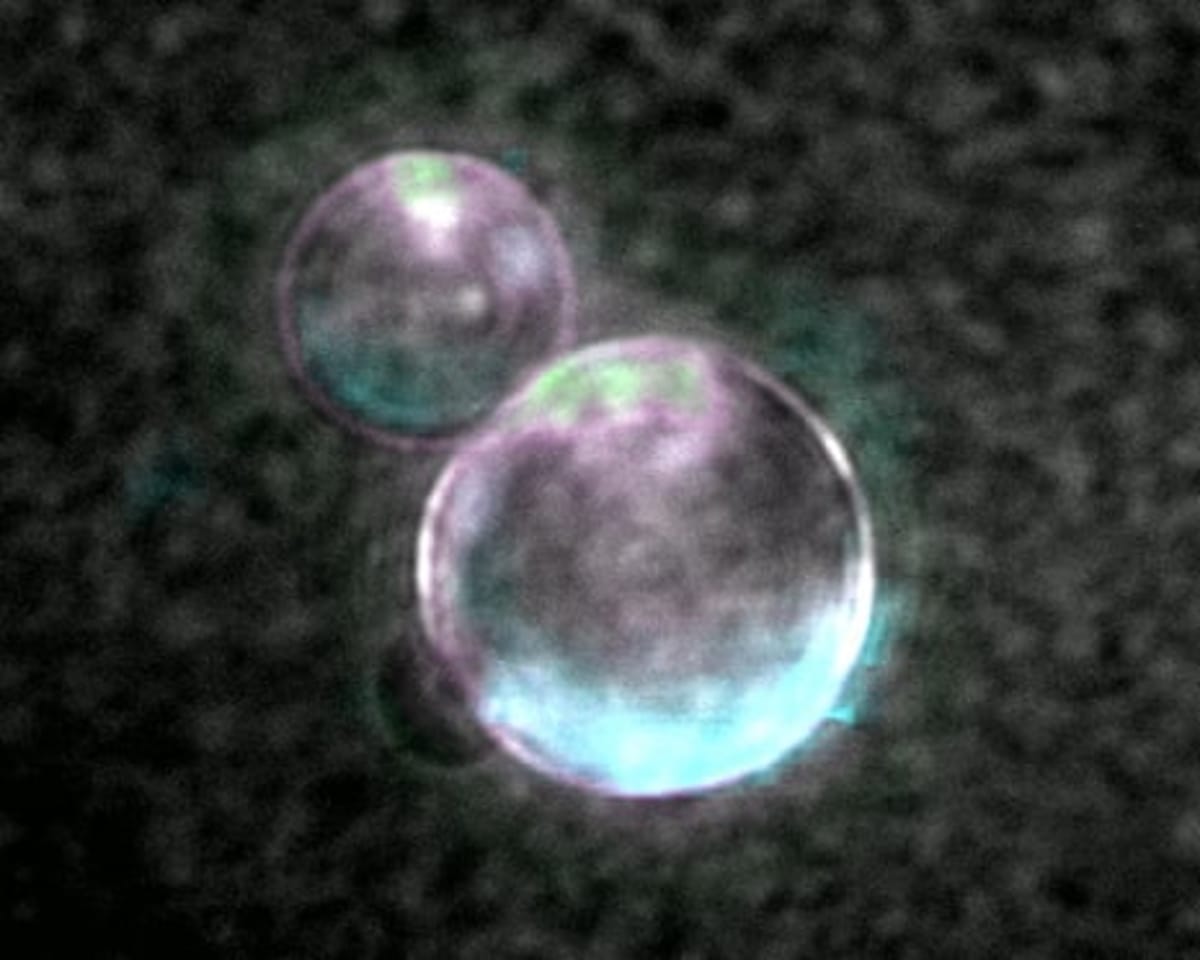
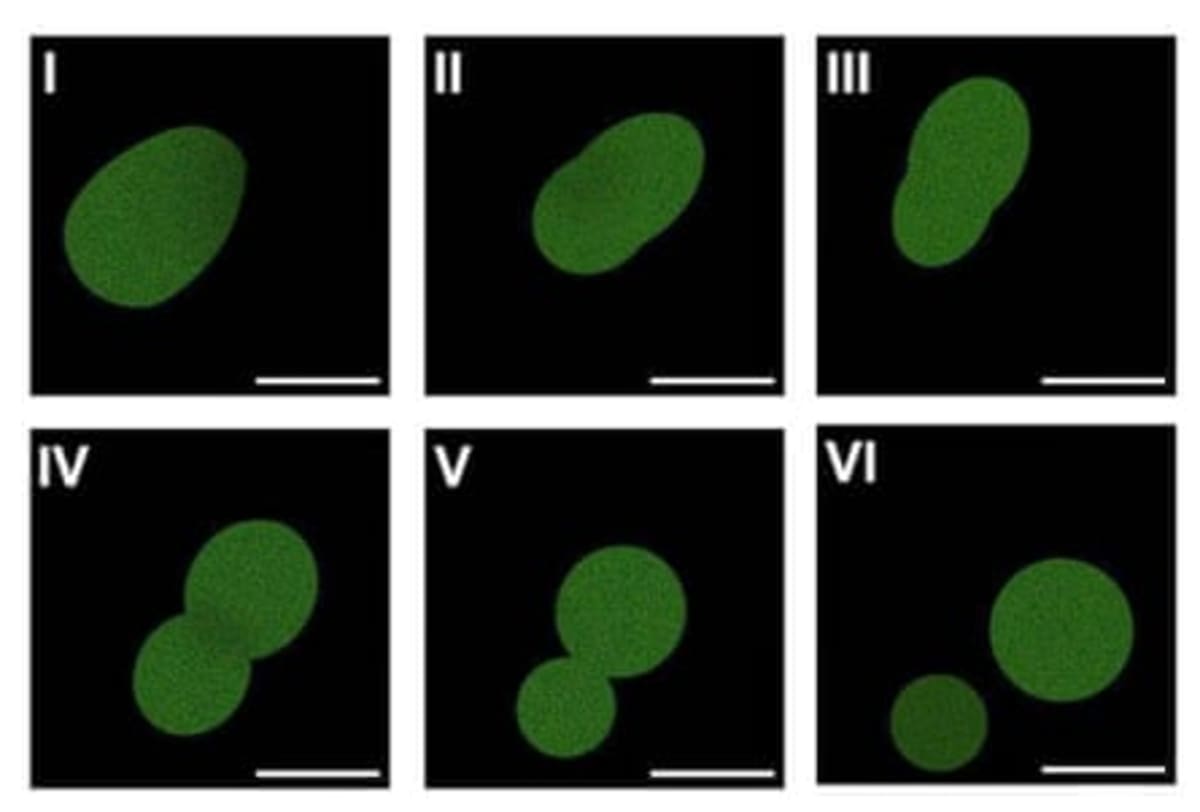
The team, led by Dr. Kate Adamala, created what they call SpudCells from scratch using only chemical compounds and lab-made DNA. These microscopic spheres are the first synthetic cells to demonstrate a complete life cycle of growth, genetic copying, and division into new generations.
SpudCells start as water-filled spheres just a few thousandths of a millimeter wide. The researchers added synthetic DNA to give them basic instructions, then placed them in a nutrient-rich liquid where they could absorb the molecules they needed to function. Watching them divide under a microscope was stunning, Adamala said, even if they look like simple blobs to the untrained eye.
The cells aren't perfect. They can't build their own protein-making machinery, manage their metabolism, or clear waste like natural cells can. They only survive a few generations before breaking down. But they prove something important: non-living chemicals can be assembled to mimic behaviors we thought only belonged to living things.
Professor Tom Ellis at Imperial College London called this work probably the field's "biggest breakthrough in recent times." Understanding the minimum requirements for life helps scientists grasp how life itself might have emerged from chemistry billions of years ago.
The practical applications are exciting. Adamala and her colleagues are launching an institution called Biotic to develop these synthetic cells further. Their goal is to create artificial organisms designed specifically to manufacture medicines, sustainable foods, and clean fuels. Unlike modified bacteria, these cells would be built from the ground up with known, controllable components.
The team also demonstrated a form of evolution. When they gave some SpudCells a genetic growth advantage, those cells spread through the population and outcompeted the original versions, just like natural selection works in nature.
Why This Inspires
This breakthrough represents more than just a technical achievement. It shows that understanding and recreating life's building blocks is within our reach. The potential to design cells that produce exactly what humanity needs, from cancer-fighting drugs to climate-friendly fuels, offers hope for solving some of our biggest challenges.
Even more profound, this work addresses fundamental questions about existence itself. By building life-like systems from scratch, scientists are uncovering the precise moment when chemistry becomes biology, when matter becomes alive.
The road ahead is long, and SpudCells need many improvements before they can match natural cells. But this first complete synthetic cell cycle proves the concept works.
More Images

Based on reporting by Google News - Science
This story was written by BrightWire based on verified news reports.
Spread the positivity!
Share this good news with someone who needs it