Scientists Create First Synthetic Cell That Can Divide
Researchers built a fully synthetic cell from scratch that divides and copies its DNA, sparking debate about whether it counts as alive. The team launched a public benefit corporation to share the breakthrough with scientists worldwide.
Scientists at the University of Minnesota just achieved something that sounds like science fiction: they created a synthetic cell that behaves like a living thing.
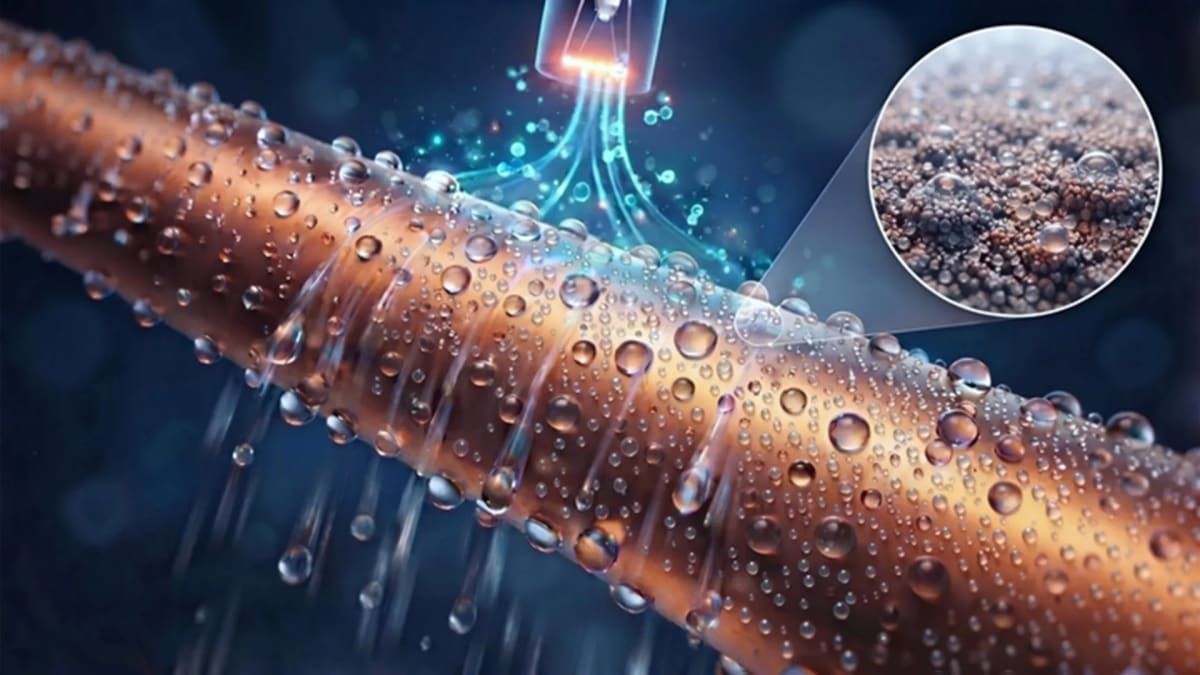
Kate Adamala and her team built tiny bubbles called liposomes filled with circular DNA. These bubbles can divide and replicate their genetic code, just like cells in your body do right now.
Here's what makes this wild. After five generations of division, 30% of these synthetic cells still contain the original DNA code. They need to be fed enzymes and nutrients packaged in other liposomes to survive, but they're doing things scientists thought only natural living cells could do.
"We built a cell-like system that is fully chemically defined, so there are no unknown building blocks in it," Adamala explained. Every ingredient is known and controlled, unlike natural cells which still hold mysteries.
The question now dividing the scientific community: are these things alive? They divide, they replicate, they need food. But they're not from nature and they can't survive without help from their creators.
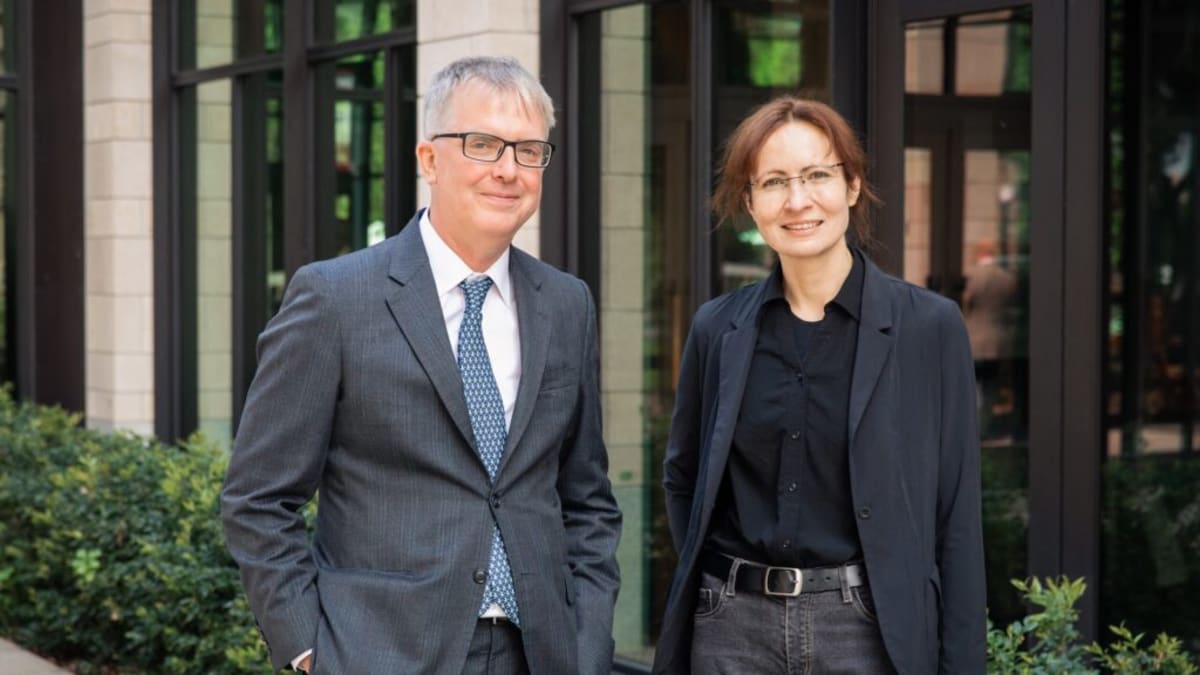
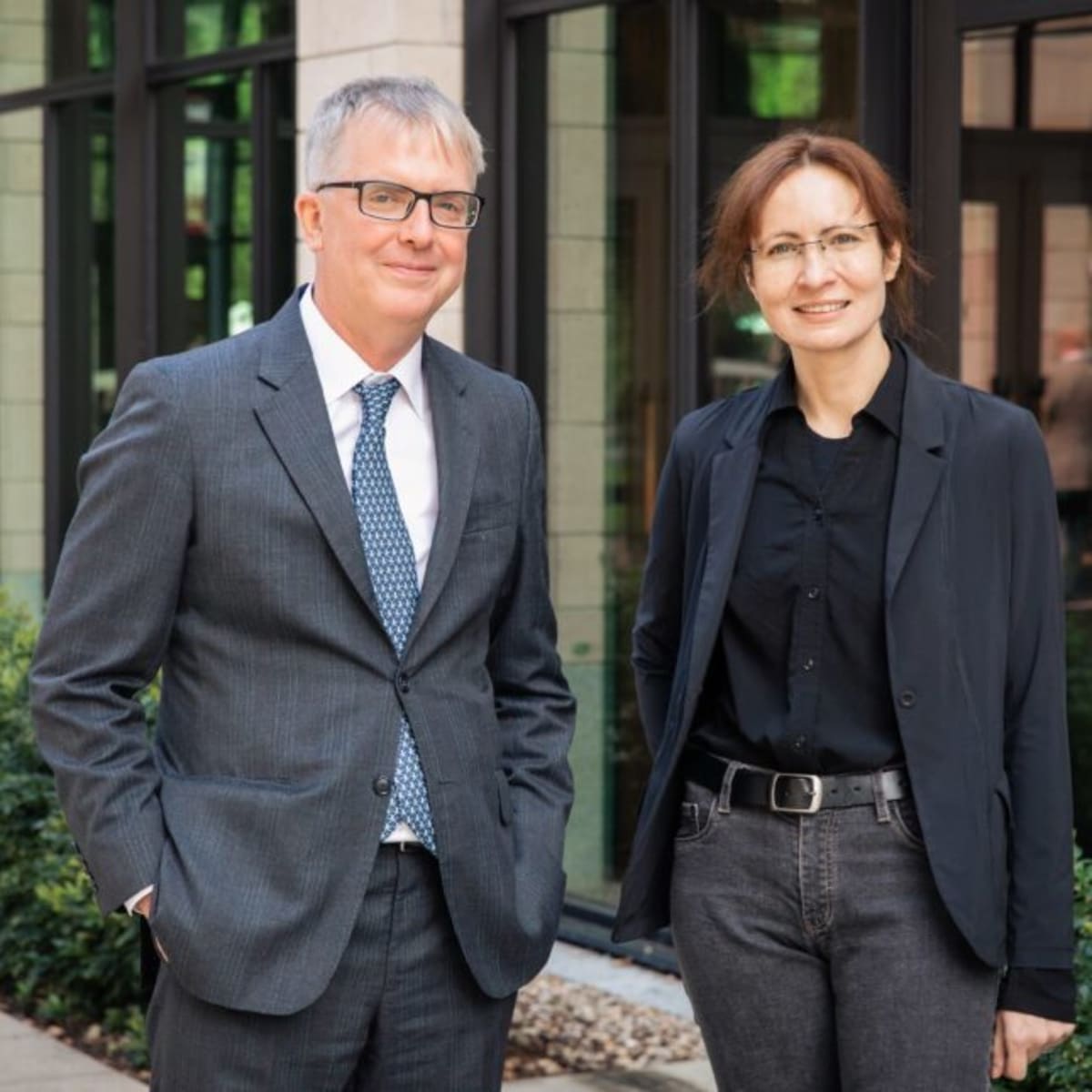
Adamala partnered with Drew Endy from Stanford University to launch a public benefit corporation called Biotic. Their goal is to share this technology with researchers everywhere, not lock it behind patents or profits.
The Ripple Effect
This breakthrough could reshape how we approach biology entirely. Instead of tweaking existing cells, scientists might engineer completely new ones from scratch to solve specific problems.
Imagine designing cells that produce medicine more efficiently, clean up pollution, or create materials we haven't invented yet. Because every component is known and controlled, these synthetic cells could be safer and more predictable than modifying natural organisms.
The technology also helps scientists understand what life actually requires. By building cells piece by piece, researchers learn which parts are essential and which aren't. It's like understanding how a car works by building one from individual parts instead of just driving it.
Other labs can now use this platform to test their own ideas. The public benefit model means the technology spreads faster than traditional corporate development allows.
Why This Inspires
Adamala's work represents a shift in how we think about engineering biology. Rather than just observing and tweaking what nature provides, humans can now build biological systems with intention and transparency.
The debate about whether these cells are "alive" matters less than what they can do. They work, they divide, they follow instructions written in their DNA. Whether we call them alive or not, they open doors that were locked before.
This moment feels similar to when scientists first figured out how to edit genes or sequence DNA. At first, it seemed impossible or dangerous. Now those tools save lives daily and help us understand ourselves better.
The creation of synthetic cells moves biology from a descriptive science to a design science. We're not just reading nature's instruction manual anymore. We're learning to write our own chapters.
More Images

Based on reporting by STAT News
This story was written by BrightWire based on verified news reports.
Spread the positivity!
Share this good news with someone who needs it