Scientists Chase 2026 Eclipse to Solve Sun Mystery
This August, researchers will race to three countries during a rare total solar eclipse to unlock why the Sun's outer atmosphere burns 1,000 times hotter than its surface. The discovery could help predict devastating space storms that knock out power grids.
When the Moon perfectly blocks the Sun over Greenland, Iceland, and Spain on August 12, scientists will have just two minutes to solve a mystery that has puzzled physicists for centuries.
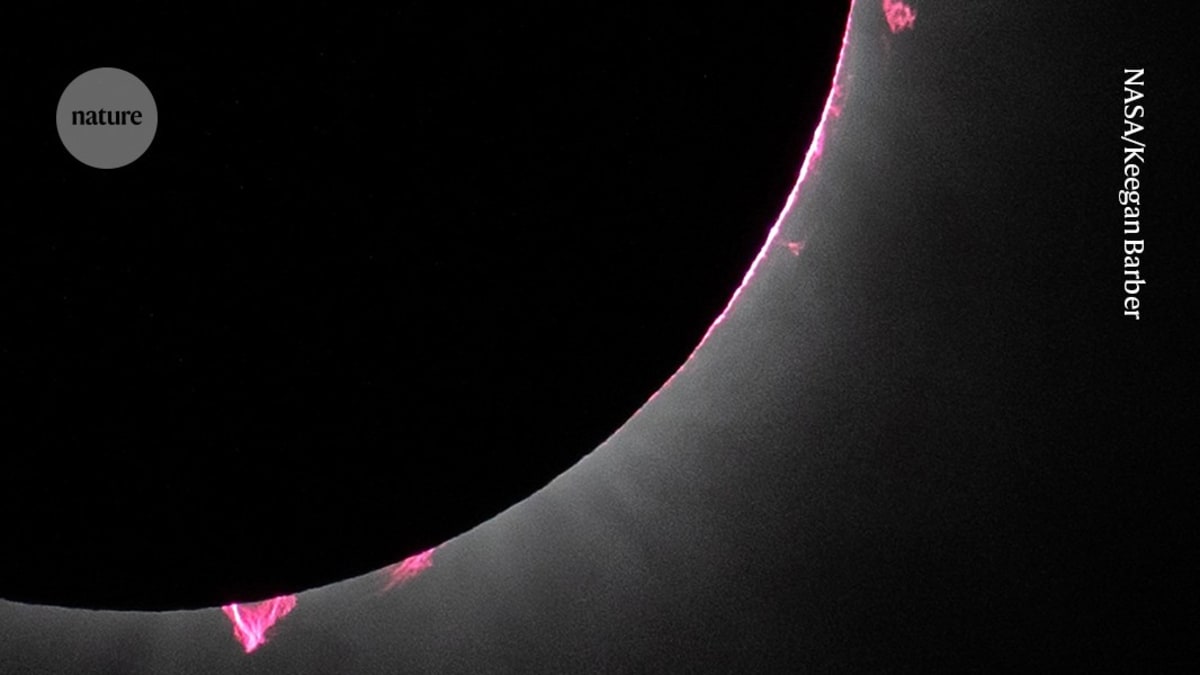
The solar corona, the Sun's outermost layer, reaches a scorching 1,000,000°C while the surface below it sits at a comparatively cool few thousand degrees. It defies everything we know about heat transfer, and understanding why could save millions from blackouts.
Research teams are setting up seven observation sites across Iceland and Spain to maximize their chances of clear skies. They'll use special cameras and spectrometers to capture images sharper than anything satellites or ground-based telescopes can produce.
"The eclipse basically lets us see the Sun at night," explains Amir Caspi, an astrophysicist at Southwest Research Institute leading one expedition. The Moon's shadow eliminates the scattering and diffraction problems that plague artificial light-blocking methods.
For astronomer Shadia Habbal, this will be her 20th eclipse chase since 1995. Her team will analyze ionized iron in the corona to map its temperature and structure, hunting for clues about where the Sun's magnetic energy originates and how it heats the outer atmosphere.
The Ripple Effect
The research carries real-world urgency beyond pure science. In 1989, a geomagnetic storm collapsed Quebec's power grid and left six million Canadians in the dark for hours.
Today, scientists can only predict if solar plasma will hit Earth a few days in advance. They can't determine if it will cause damage until it passes a monitoring satellite just tens of minutes before impact.
Understanding the corona's magnetic processes could help researchers estimate plasma properties much earlier. Better forecasts mean utilities could protect transformers and satellite operators could safeguard their equipment before storms arrive.
The 2026 eclipse offers a bonus opportunity: another total eclipse will occur in 2027, giving scientists two consecutive years of data. This back-to-back timing is exceptionally rare and could accelerate breakthroughs.
As our world grows more dependent on satellites for GPS, communications, and weather monitoring, protecting them from space weather becomes increasingly critical.
More Images

Based on reporting by Nature News
This story was written by BrightWire based on verified news reports.
Spread the positivity!
Share this good news with someone who needs it