Scientists Clone One of World's Rarest Orchids
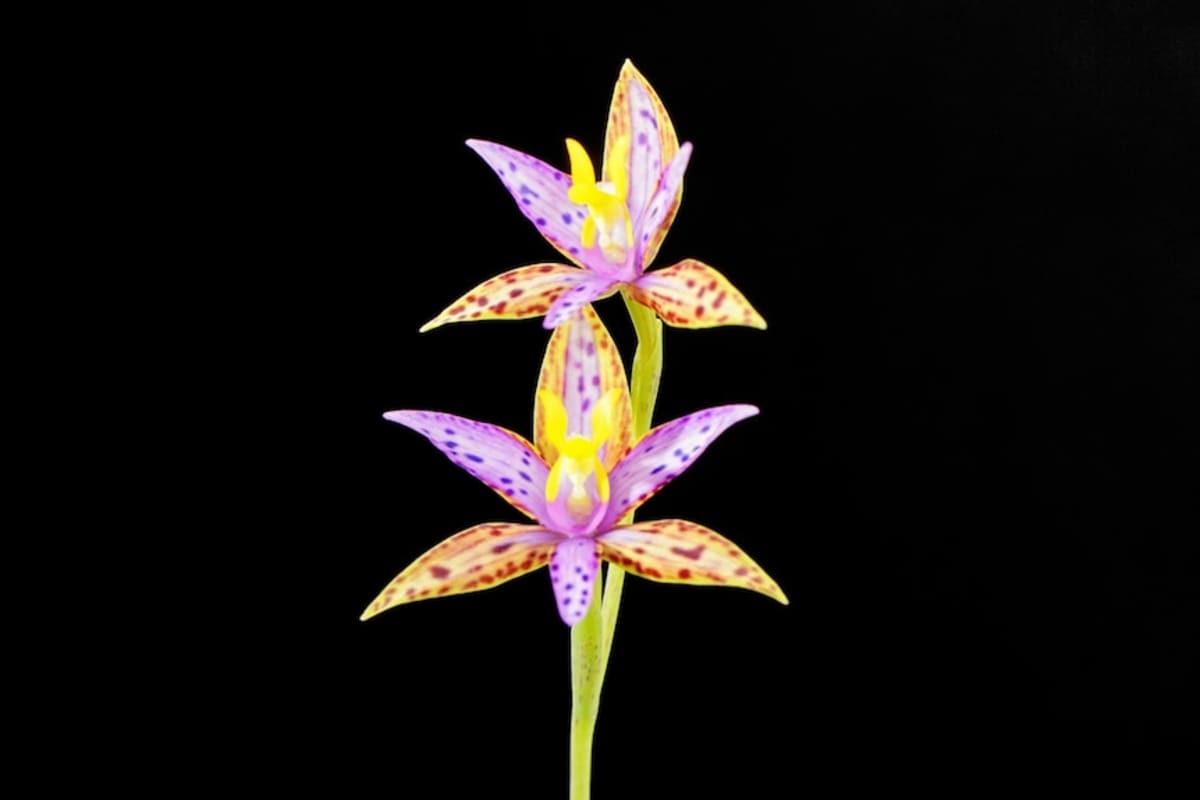
After cloning one of the planet's rarest flowers, Australian scientists have grown over 1,000 Queen of Sheba orchids from a single seed. The breakthrough could save the critically endangered species, with fewer than 30 plants remaining in the wild.
A team of conservation scientists in Perth has cracked the code to saving one of Earth's rarest flowers using a cloning technique that turns one tiny seed into a thousand thriving plants.
The Queen of Sheba orchid is so rare that every single wild plant is fenced off and watched by CCTV cameras 24/7. Only 30 exist in nature, all clustered along a small stretch of coastline between Perth and Bunbury in Western Australia.
For years, scientists struggled to help the species because growing the orchids was nearly impossible. Out of every 50,000 seeds planted, maybe one would survive to adulthood.
Then the team at Kings Park's Botanic Gardens and Parks Authority tried something different. They used a cloning technique called somatic embryogenesis, previously used for ornamental flowers, and applied it to the endangered orchid.
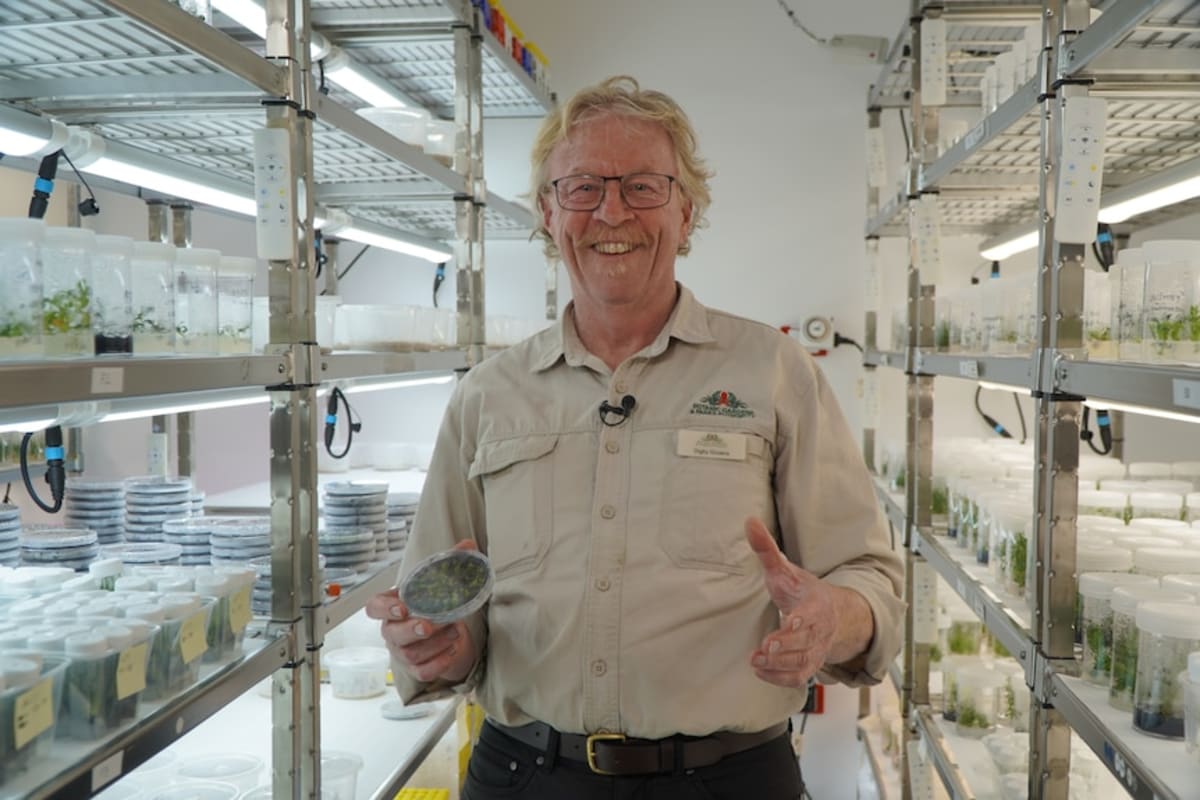
It worked beyond their hopes. Senior plant breeder Digby Growns and his team have now grown more than 1,000 plants from a single seed.
"We've been really kicking goals and we think this will be the solution to saving this plant from becoming extinct," Growns said. When the first cloned orchid bloomed earlier this year, he compared it to watching the birth of his first child.
The Ripple Effect
The cloned orchids aren't just surviving. They're thriving in ways that surprised even the scientists.
Orchid researcher Belinda Davis discovered the lab-grown flowers bloom in just over three years, half the time of conventionally grown plants. The cloned orchids also grow tubers ten times larger than normal, making them far more likely to survive when replanted in the wild.
The technique opens doors for other endangered species too. The team plans to use the same cloning method on all 44 threatened orchid species in Western Australia's conservation program.
Before releasing the cloned Queen of Sheba orchids into the wild, scientists need to solve one more puzzle. These orchids depend on a specific fungus to germinate and re-establish each year. The team is now working to grow the fungus in the lab and ensure it thrives alongside the plants.
Once that relationship is perfected, Western Australia's coastline could soon bloom with hundreds of Queen of Sheba orchids instead of just 30.
More Images


Based on reporting by ABC Australia
This story was written by BrightWire based on verified news reports.
Spread the positivity!
Share this good news with someone who needs it