Scientists Confirm Giant Planets Spin Faster Than Expected
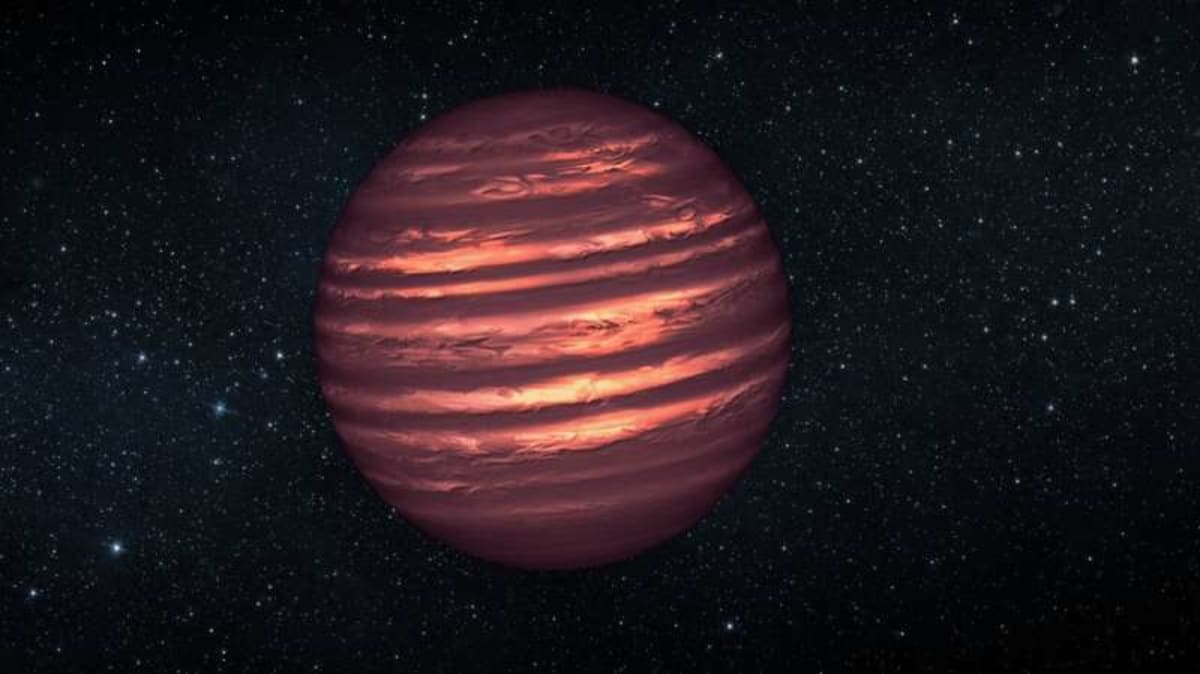
Astronomers just proved a decades-old theory about how planets spin, and it's rewriting our understanding of how worlds form. The discovery came from studying 32 distant giant planets and brown dwarfs with powerful new technology.
📺 Watch the full story above
Scientists have confirmed something amazing: the bigger a planet gets, the slower it spins. This breakthrough helps explain how our own solar system came to be.
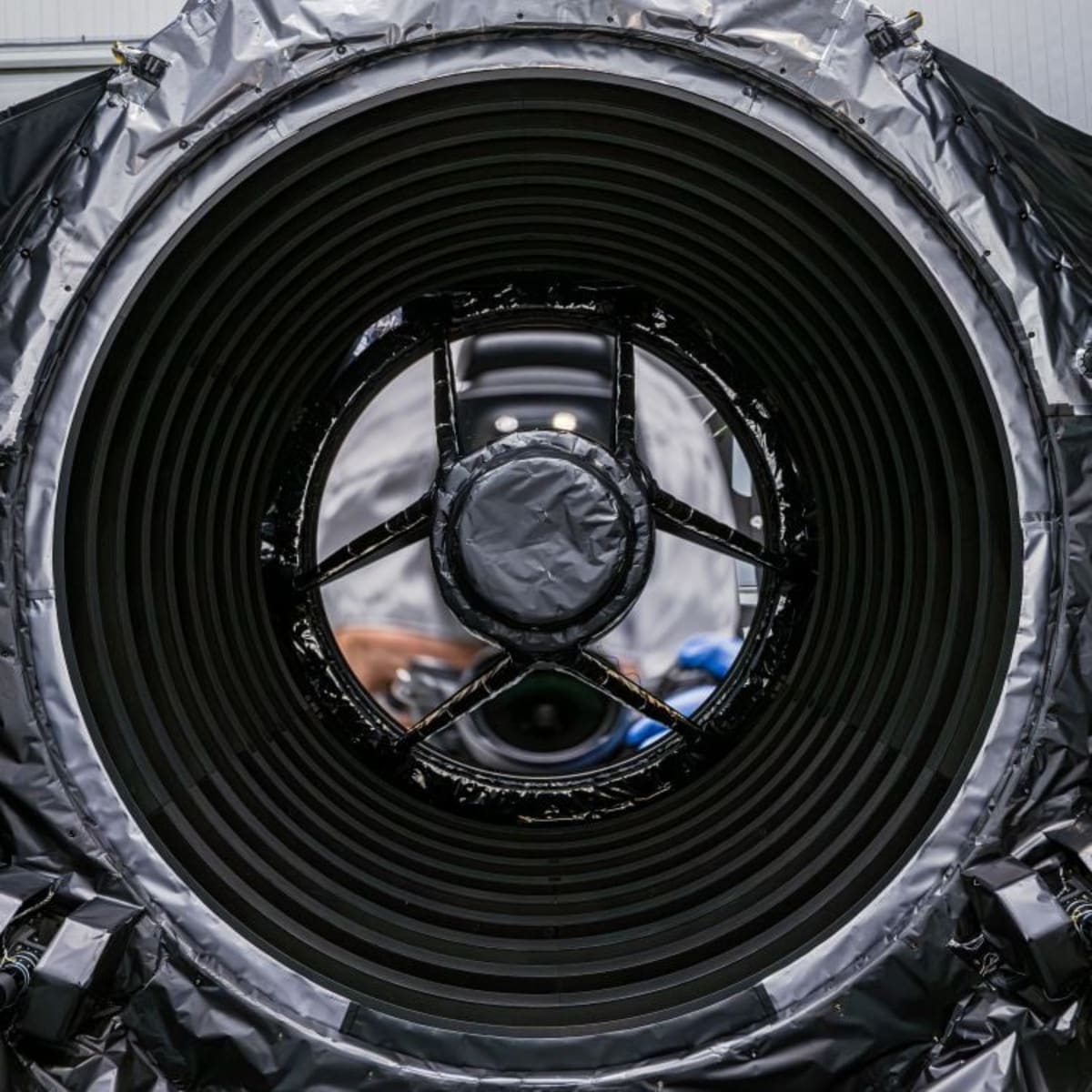
Using the powerful Keck Observatory in Hawaii, researchers studied 32 gas giants and brown dwarfs orbiting distant stars. They wanted to test a long-standing theory about the relationship between a planet's mass and how fast it rotates.
The team used a cutting-edge instrument called KPIC to measure how quickly these faraway worlds spin. By analyzing light from these planets, they could detect tiny signals that revealed rotation speeds invisible to older telescopes.
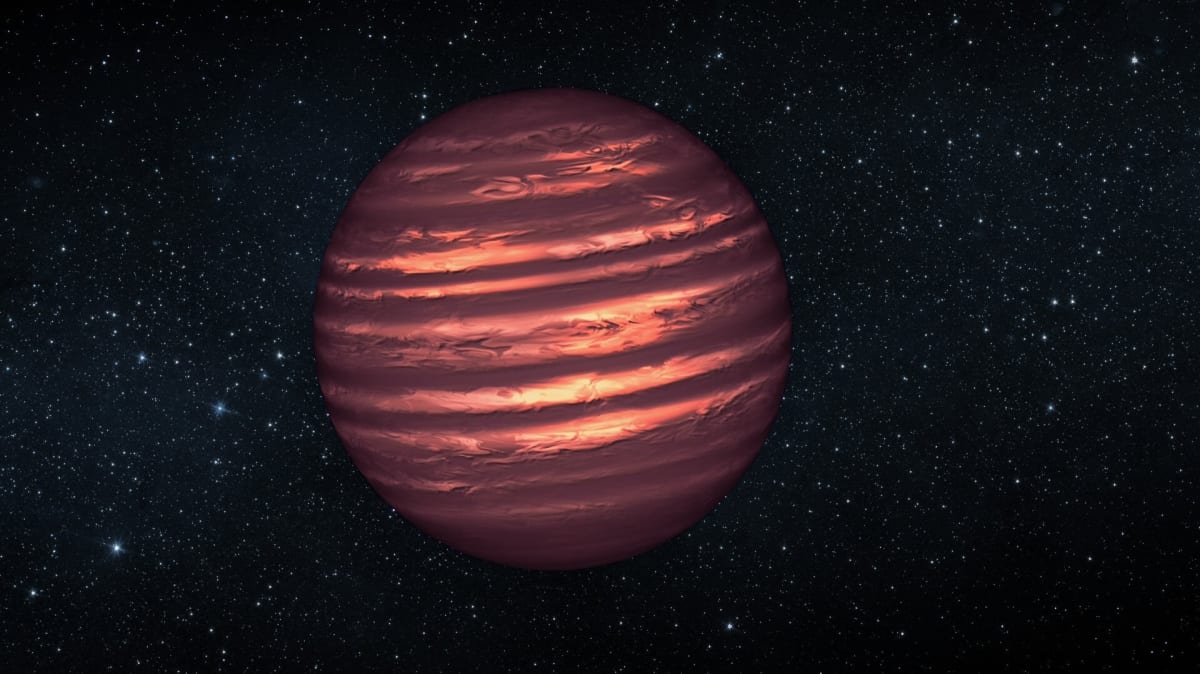
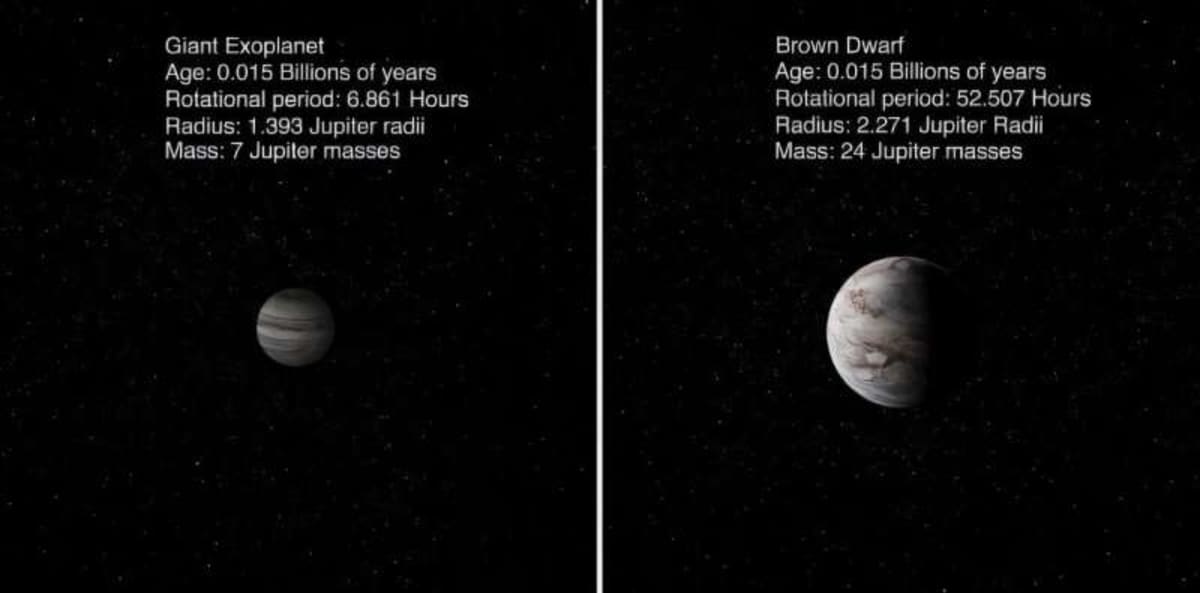
What they found was fascinating. Gas giant planets spin much faster than their heavier cousins, the brown dwarfs. One system called HR 8799 perfectly illustrates this: a gas giant seven times Jupiter's mass spins six times faster than a brown dwarf companion that's 24 times Jupiter's mass.
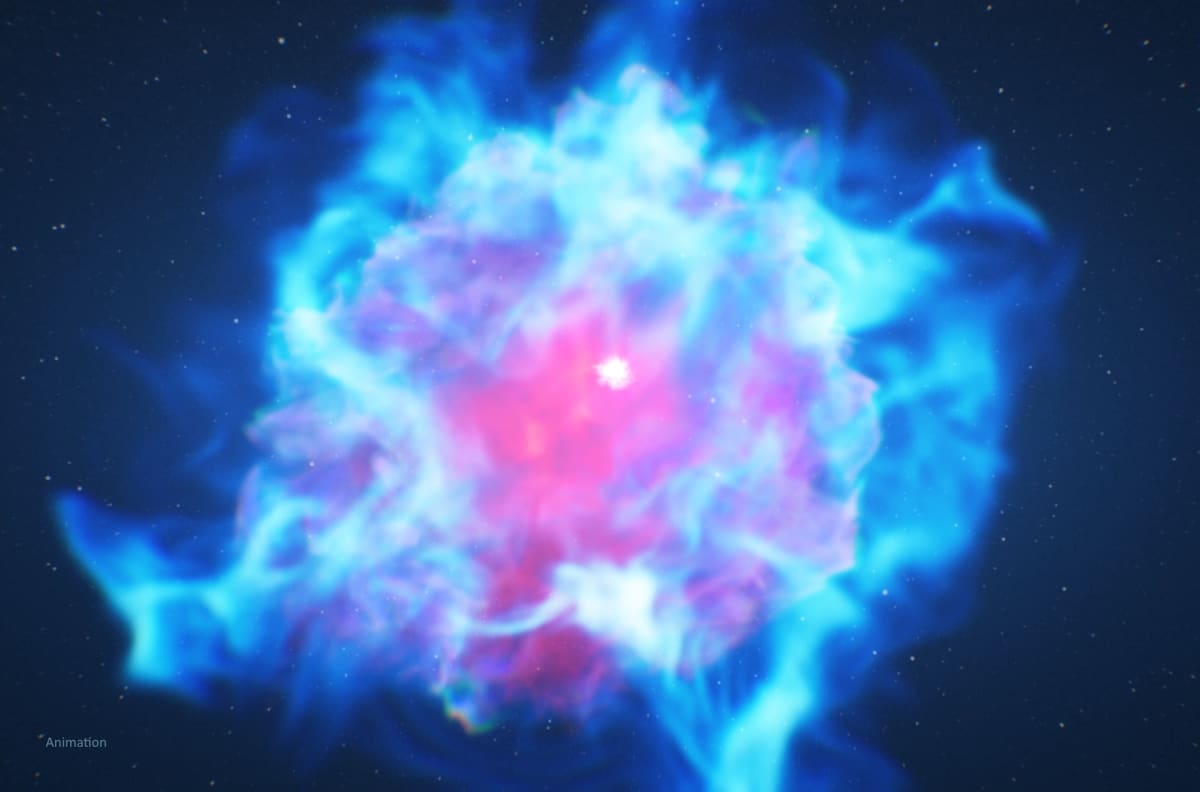
The reason comes down to magnetic fields. When planets form, they're surrounded by swirling disks of gas and dust. Heavier objects have stronger magnetic fields that interact with these disks, slowing down their spin like a cosmic brake.
Lead researcher Dino Chih-Chun Hsu from Northwestern University explained that spin acts like a fossil record. By measuring how fast planets rotate today, scientists can piece together what happened when they formed tens or hundreds of millions of years ago.
The discovery doesn't just help us understand distant worlds. It's giving scientists new insights into how Earth and our neighboring planets got their spin rates when the solar system formed billions of years ago.
Why This Inspires
This research shows how new technology is unlocking mysteries that seemed impossible to solve just years ago. The KPIC instrument pioneered an entirely new way to study planets beyond our solar system, opening doors scientists didn't know existed.
The team isn't stopping here. They're planning to study rogue planets that drift through space without stars, and they're building an even more powerful instrument called HISPEC that launches in 2027. It will let them study smaller, more Earth-like planets to see if our own Jupiter is typical or special.
Every measurement brings us closer to understanding not just how other worlds formed, but how our own planet came to spin at just the right speed for life to flourish.
More Images
Based on reporting by Google News - Science
This story was written by BrightWire based on verified news reports.
Spread the positivity!
Share this good news with someone who needs it