Scientists Crack 50-Year Blood Mystery, Save Rare Patients
After half a century of searching, researchers finally traced a mysterious blood marker to its genetic source, establishing MAL as the 47th human blood group system. The breakthrough means safer transfusions for exceptionally rare patients whose blood lacks the AnWj antigen.
A blood mystery that stumped scientists since 1972 just got solved, and the discovery could save lives for some of the rarest patients on Earth.
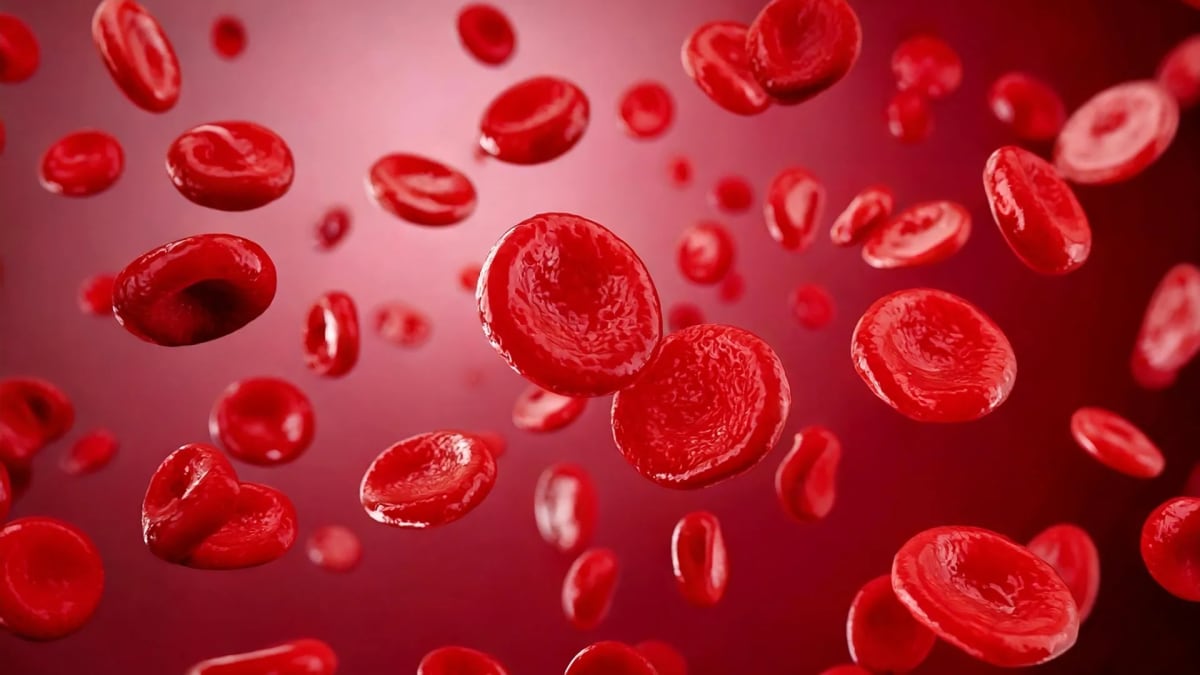
Researchers at NHS Blood and Transplant in Bristol, working with the University of Bristol, finally traced the AnWj blood marker to a gene called MAL. More than 99.9% of people carry this antigen on their red blood cells, but for the tiny fraction who don't, receiving the wrong blood can trigger dangerous immune reactions.
The puzzle started decades ago when scientists first spotted the AnWj antigen but couldn't figure out which gene produced it. They knew it existed, they just didn't know where it came from. For years, this gap in knowledge made it nearly impossible to identify the handful of people born without it or to find compatible donors when they needed transfusions.
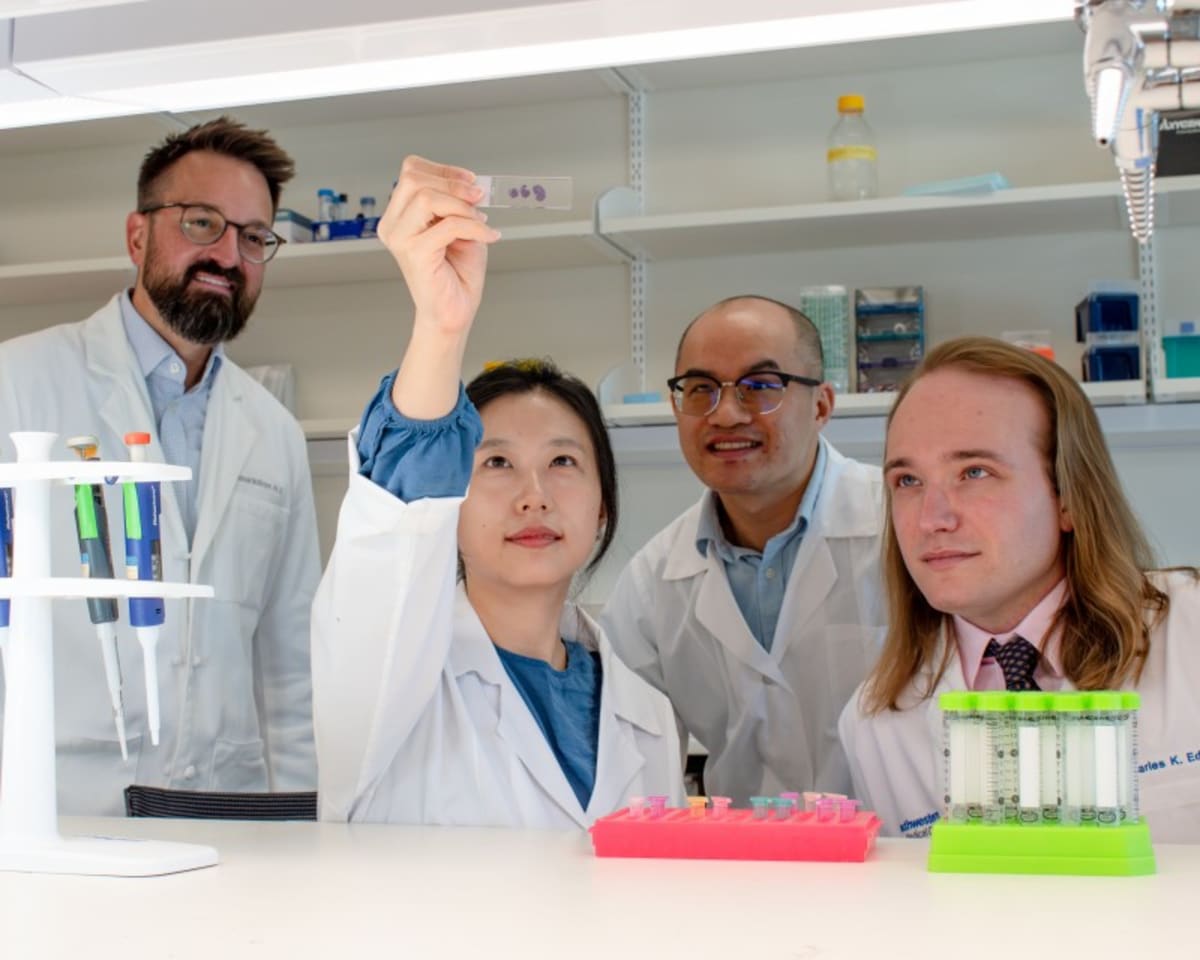
The research team used whole exome sequencing to examine DNA from five genetically AnWj negative individuals, including members of an Arab Israeli family. One sample came from the first AnWj negative person ever identified back in the 1970s, whose donated blood in 2015 helped crack the case.
The analysis pointed to deletions in the MAL gene. People missing both copies of the working gene couldn't produce the Mal protein on their red blood cells, which meant no AnWj antigen. To prove the connection, scientists introduced the normal MAL gene into laboratory cells and watched them become reactive to AnWj antibodies. The altered gene didn't produce the same response.
That evidence was enough to establish MAL as an official blood group system. The International Society of Blood Transfusion formally recognized it as ISBT 047, making it the 47th blood group system at the time.
Most people know about ABO and Rh blood types, but red blood cells actually carry hundreds of different markers. For most transfusions, matching ABO and Rh is enough. But patients with rare antibodies need matches for these lesser-known antigens too, and finding compatible blood for someone who reacts to a marker present in 99.9% of people was nearly impossible before this discovery.
The Ripple Effect
Now blood banks can use genetic tests to identify rare AnWj negative patients and donors. These tests can fit into existing blood typing systems, turning what was once an unsolvable needle-in-a-haystack problem into a manageable screening process.
The discovery joins a growing wave of blood group breakthroughs. In September 2026 alone, the International Society of Blood Transfusion announced JAMA as the 49th blood group system, showing how quickly scientists are mapping the genetic landscape of human blood.
For the exceptionally rare people who inherit AnWj negative blood, this half-century journey from mystery to solution means something concrete: safer surgeries, easier pregnancies, and the knowledge that compatible blood can actually be found when they need it most.
Based on reporting by Science Daily
This story was written by BrightWire based on verified news reports.
Spread the positivity!
Share this good news with someone who needs it