Scientists Crack 7-Hour Space Signal Mystery
Astronomers detected an unprecedented gamma-ray burst lasting seven hours—the longest ever recorded—and now believe it came from a black hole devouring a helium star. The discovery could help scientists spot similar cosmic events in the future.
A mysterious blast of energy from deep space lasted seven hours this year, shattering every record scientists had for these cosmic signals.
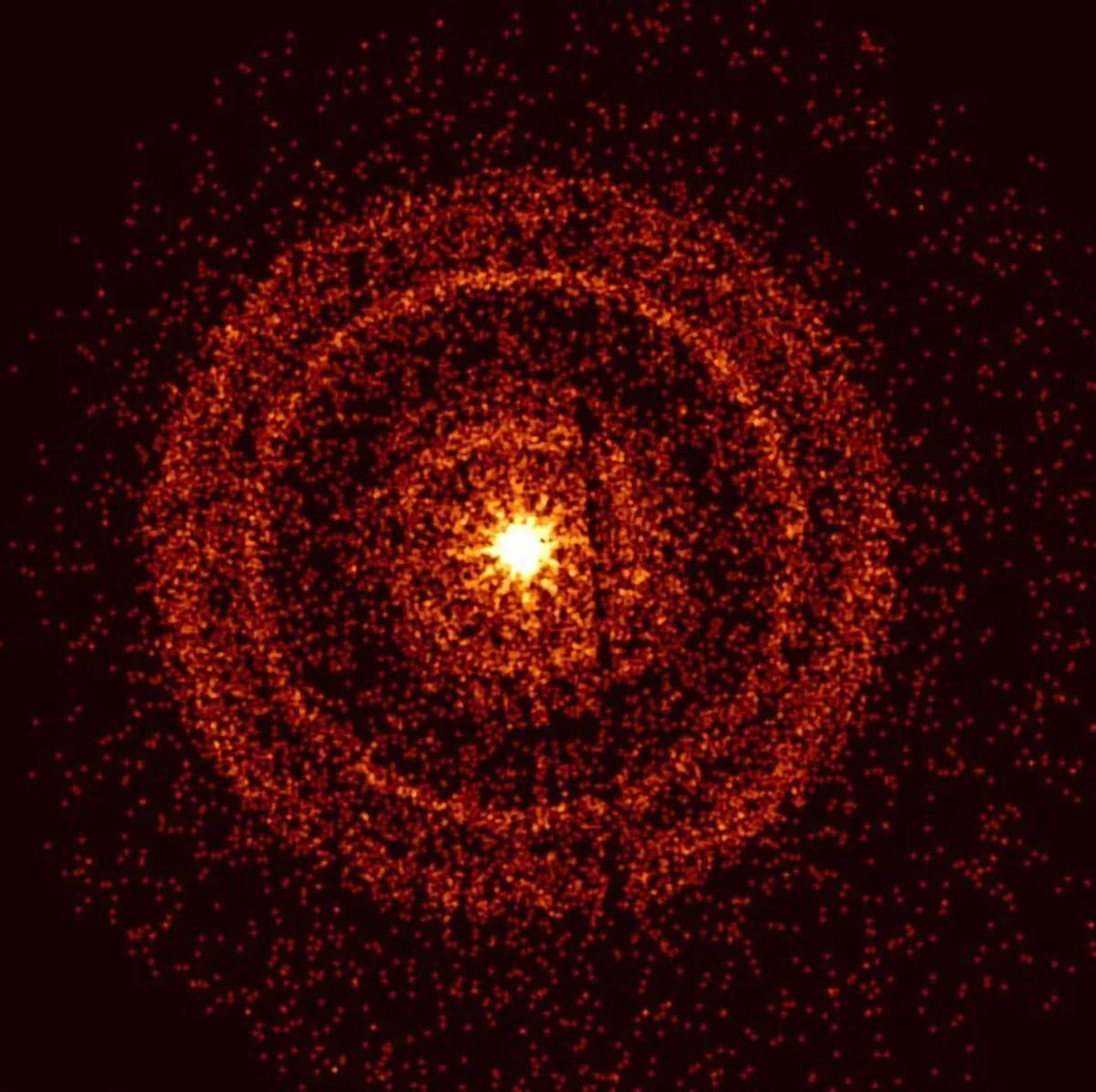
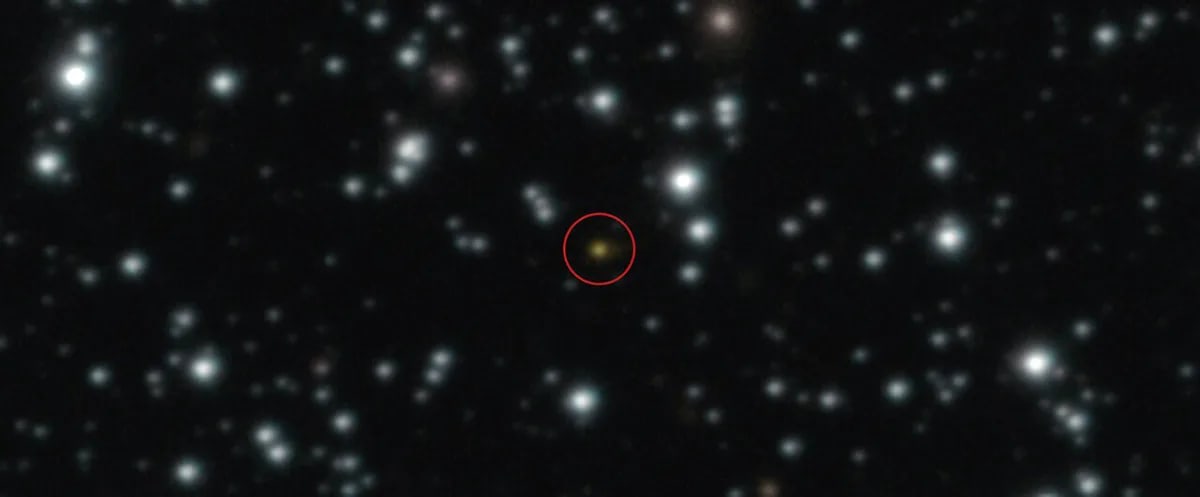
Astronomers detected the signal in early 2025 and named it GRB 250702B. When NASA researcher Eliza Neights saw the data flash across her screen during her monitoring shift, she knew immediately something was different.
The burst appeared as three separate pulses coming from the same spot in the sky. By combining observations from five different space telescopes, the team confirmed it lasted roughly 25,000 seconds—about seven hours of continuous high-energy radiation shooting across the universe.
That's nearly twice as long as the previous record holder. Most gamma-ray bursts last only a few minutes before fading away.
Scientists have known about these mysterious flashes since the 1960s, when US military satellites first spotted them while scanning for nuclear weapons tests. For decades, astronomers puzzled over what could cause such intense bursts of energy.
Today we know most gamma-ray bursts happen when massive stars collapse into black holes, creating powerful jets of energy. Others occur when two ultra-dense neutron stars crash into each other.
But those known causes can't explain a seven-hour signal.
Why This Inspires
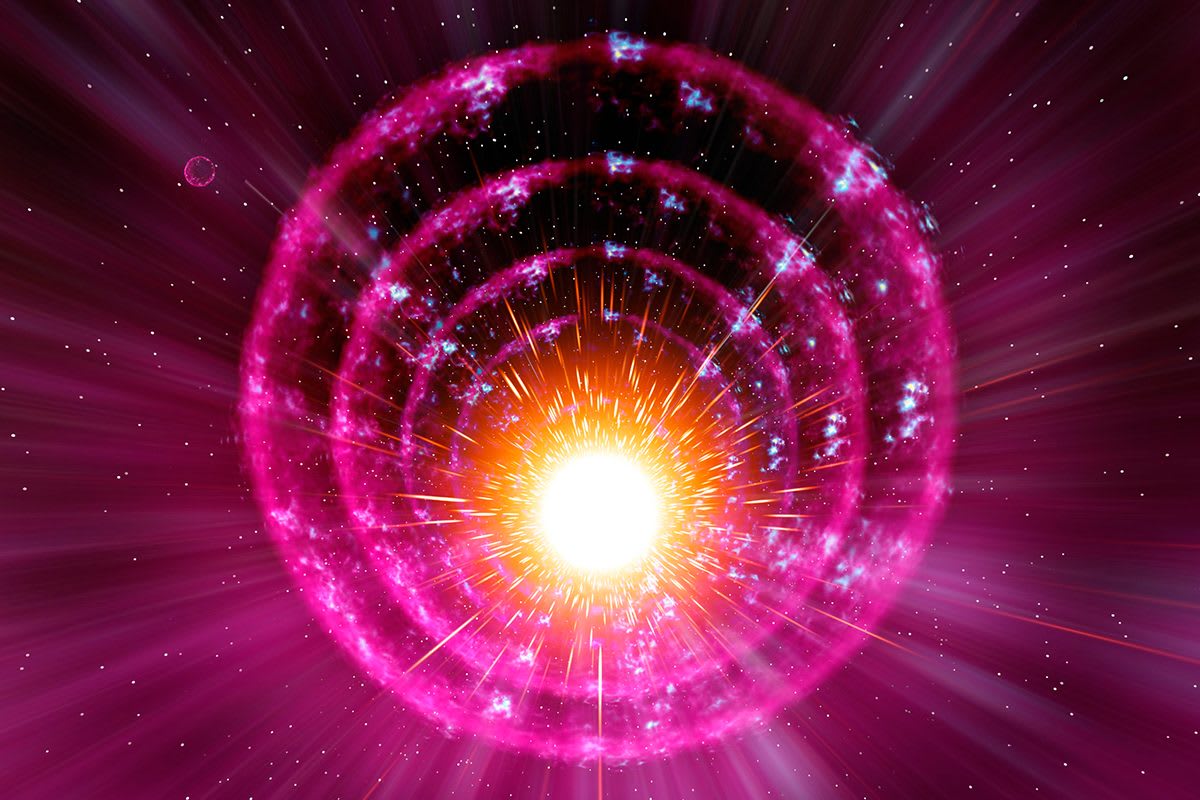
The team believes they've found the answer in something called a helium merger. Picture a black hole orbiting a helium star—a star that's lost its outer hydrogen layers, leaving only a dense helium core.
When that helium star expands, the black hole ends up inside it and begins consuming the star rapidly. All that material spiraling into the black hole creates an incredibly long-lasting jet of energy.
These extreme events might be more common than we think. They're just harder to spot because they're dimmer and last longer than the brief, bright flashes most telescopes are designed to catch.
Neights is already preparing NASA's upcoming COSI telescope, launching in 2027, to detect these marathon bursts. The discovery opens a window into cosmic events we've been missing all along.
More Images

Based on reporting by Google News - Scientists Discover
This story was written by BrightWire based on verified news reports.
Spread the positivity!
Share this good news with someone who needs it