Scientists Crack Copper Mystery to Meet Green Energy Demand
Australian researchers discovered how to extract copper more efficiently from the world's most abundant copper mineral, potentially transforming how we power the clean energy transition. The breakthrough could slash energy use while boosting recovery from existing mines.
The world needs more copper for electric cars and solar panels, and scientists just found a smarter way to get it.
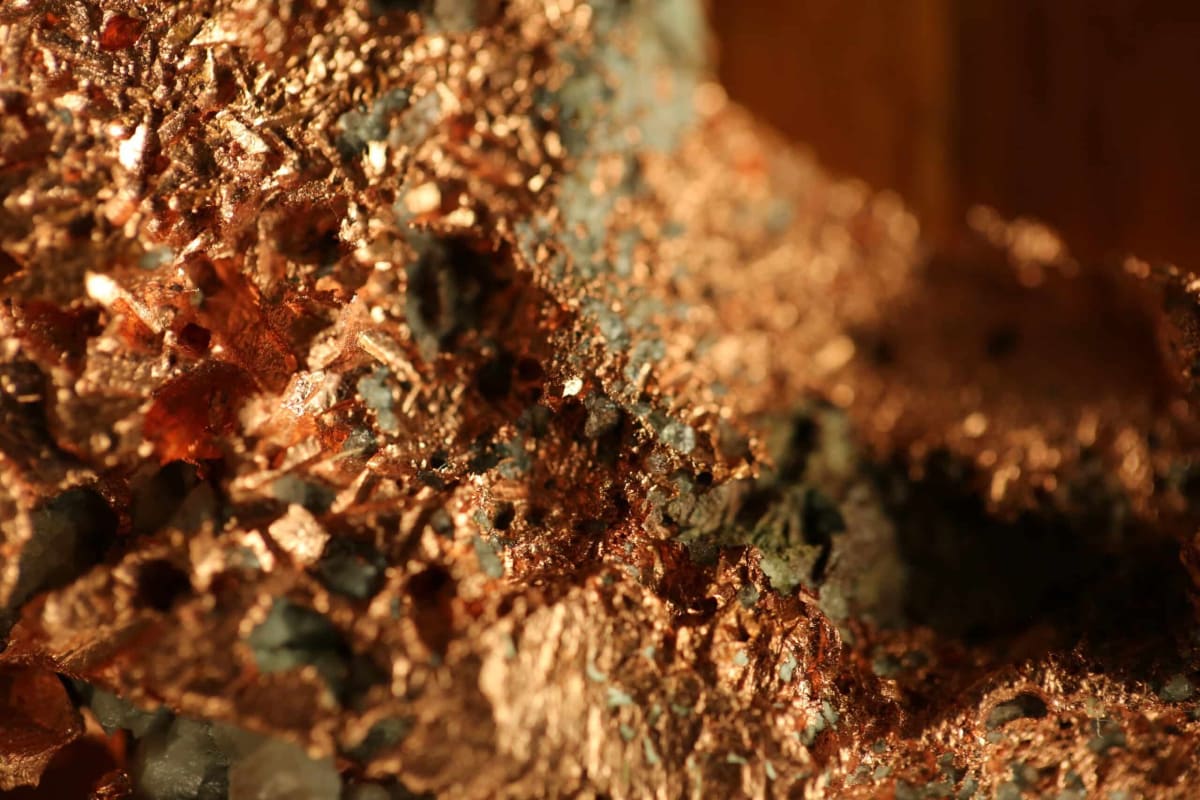
Researchers at Monash University have unlocked the atomic secrets of chalcopyrite, the mineral that supplies 70 percent of global copper. Their discovery, published in Nature Geoscience, reveals how microscopic impurities in the mineral could make extraction cheaper, cleaner, and more efficient.
For over 300 years, chalcopyrite has frustrated the mining industry. The mineral stubbornly resists easy processing, forcing companies to use energy-guzzling smelting methods that pump out emissions and waste precious resources.
Professor Joël Brugger and his team took a different approach. Instead of viewing chalcopyrite's complexity as a problem, they studied it at the atomic level to understand why it behaves so differently from other copper minerals.
What they found surprised them. The mineral's crystal structure contains tiny amounts of silver, gold, and nickel scattered throughout. These trace elements, especially silver, can destabilize the mineral's surface and trigger chemical reactions that release copper more easily.
"By understanding how trace elements like silver interact with chalcopyrite at the atomic level, we can begin to design smarter, more targeted extraction methods," said co-author Barbara Etschmann. "That means less energy, fewer chemicals, and better recovery from the same resource."
The timing couldn't be better. Global copper demand is surging as countries race to build renewable energy systems and expand electric vehicle infrastructure. At the same time, existing mines are seeing declining ore quality, making every pound of copper harder to extract.
Current low-temperature methods like bioleaching work well on other copper minerals but struggle with chalcopyrite. This new understanding could finally change that, opening doors to processing techniques that use less energy and produce fewer emissions than traditional smelting.
The Ripple Effect
The implications reach beyond mining. Chalcopyrite's atomic structure also forms the basis for semiconductors used in solar cells and energy conversion technologies. Better understanding of the mineral could improve both extraction and clean energy applications.
The research represents a shift in thinking. Instead of searching only for new copper deposits, the industry can now focus on extracting more intelligently from resources already in hand.
"Meeting future copper demand isn't just about finding more deposits," Brugger said. "It's about extracting what we already have more intelligently."
The breakthrough required collaboration between geoscientists, chemists, and engineers. As mining companies face pressure to reduce their environmental footprint while meeting skyrocketing demand, this kind of cross-disciplinary innovation becomes essential.
Three centuries after chalcopyrite was first identified, scientists are finally understanding its secrets at the molecular level. That knowledge could help power the clean energy future the world desperately needs.
Based on reporting by Google News - Australia Breakthrough
This story was written by BrightWire based on verified news reports.
Spread the positivity!
Share this good news with someone who needs it