Scientists Crack Mystery of Volcanic Glass "Hair" Formation
Volcanoes create delicate glass strands that look exactly like human ponytails, and scientists just figured out how. The secret involves bubbly magma and a collaboration with glass artists.
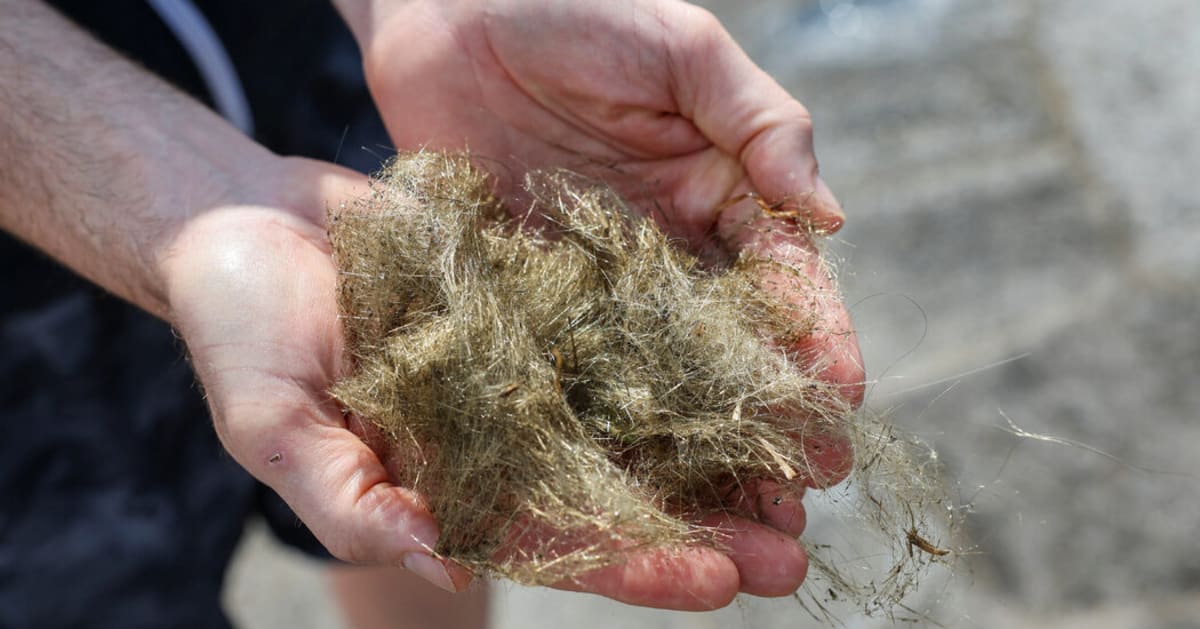
When scientist Ed Llewellin spotted what looked like a woman's ponytail lying on Hawaiian lava, he got the shock of his life. It wasn't hair at all but a natural phenomenon called Pele's hair, named for the Hawaiian goddess of volcanoes.
These golden glass threads can stretch up to two feet long and travel incredible distances on the wind. Last month, strands from Hawaii's Kilauea volcano landed in a town 20 miles away, raining down on yards and filling rain gutters.
Scientists have known about Pele's hair for years, but one mystery remained unsolved. Why did these delicate strands sometimes appear in bundles of hundreds or thousands, perfectly aligned like an actual ponytail?
A team led by geologist Janina Gillies from the University of Canterbury decided to find out. They started with an unlikely experiment using hokey pokey, a bubbly New Zealand dessert made of sugar and air.
The sweet tests revealed something crucial: air bubbles were key to forming long, thin strands. But to truly understand volcanic hair, they needed to work with material closer to actual lava.
That's where glass artists entered the picture. Colin Rennie from England's National Glass Center designed a special device called the Pullificator. The machine could stretch heated glass pucks within about a minute, mimicking how lava behaves in nature.
The team heated hockey-puck-sized pieces of glass mixed with calcium carbonate to 2,000 degrees Fahrenheit. The chemical created carbon dioxide bubbles inside, making the glass look like artisan bread. Wearing a heat-reflecting suit, Rennie pulled the molten pucks using a weight-and-pulley system.
The breakthrough came when they discovered that glass filled with about three-quarters air bubbles readily formed hair-like threads when stretched. Pucks with fewer bubbles created only wide ribbons instead. The glass between bubbles was what stretched into hair.
In real volcanoes, the same process likely happens as lava churns and different parts rise at different rates. The constant motion naturally stretches the bubbly material into those distinctive golden strands.
Why This Inspires
This research shows the magic that happens when different experts collaborate. Volcano scientists and glass artists discovered they're fascinated by the same material, just from different sources.
Some artists involved have already created new pieces inspired by the experiments, blending science and art in unexpected ways. The study, published in the journal Geology, proves that nature's most beautiful mysteries sometimes need creative thinking to solve.
The next time you see golden threads near a volcano, you'll know you're witnessing geology and artistry combined in one natural wonder.
Based on reporting by Google News - Science
This story was written by BrightWire based on verified news reports.
Spread the positivity!
Share this good news with someone who needs it