Scientists Crack Why Kent Outbreak Hit So Hard—And the Fix
Researchers discovered why a nightclub meningitis outbreak that killed two young people in Kent spread so explosively—and the breakthrough led to expanded vaccination programs protecting over a million students. The dangerous bacterial strain emerged when genes swapped between bugs, but UK health officials stress the current vaccine protects against it.
Scientists have solved the mystery of why a meningitis outbreak in Kent earlier this year turned so deadly, and the answer is already saving lives through expanded vaccination programs.
More than 20 young people fell sick in March after visiting a Canterbury nightclub, with nine ending up in intensive care. Two people tragically died: a 21-year-old University of Kent student and Juliette Kenny, a sixth-form pupil from Faversham.
Researchers at the UK Health Security Agency and the University of Oxford discovered the bacteria had picked up genetic material from other bugs naturally found in human throats. This swap created a new, aggressive strain that spread rapidly between clubbers through close contact like sharing drinks or vapes.
"This investigation shows just how quickly and dramatically these bacteria can change," says Dr. Charlene Rodrigues, consultant in Pathogen Genomics at UKHSA. The genetic exchange, called horizontal gene transfer, made infections more severe and helped the bacteria slip past immune systems.
The outbreak was described as "unprecedented" and "explosive" at the time. It likely started with one person bringing the infection into Club Chemistry, a popular student venue, where it spread in a single evening.
Ironically, the very changes that made the strain so dangerous may have stopped it from spreading further. People became too sick to be silent carriers who unknowingly pass the infection to others.
The Bright Side
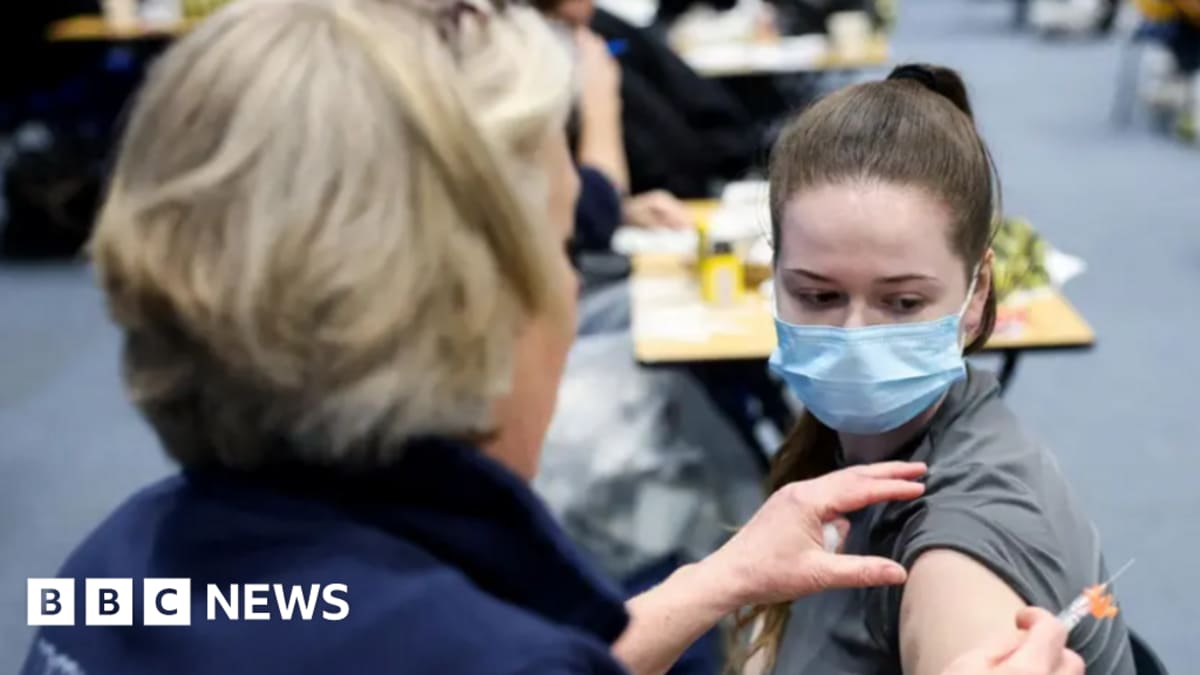
The Kent outbreak triggered swift action that's now protecting young people across the country. Following the March crisis, health officials launched a one-off meningitis B vaccination program for students heading to university this autumn.
In July, the Joint Committee on Vaccination and Immunisation recommended that all teenagers receive the jab around age 15, with catch-up programs for those who missed out. More than a million young people are now eligible for protection.
Experts emphasize that the current vaccine works against this new strain. While such genetic changes are rare and unpredictable, the expanded vaccination program means communities are better prepared if similar outbreaks occur.
Dr. Rodrigues told the BBC that while these events could happen again, health officials are staying vigilant. The speed of the scientific response—identifying the genetic changes, understanding the outbreak, and expanding vaccination access—demonstrates how quickly public health systems can adapt to protect people.
What started as a tragedy in a Canterbury nightclub has led to better protection for young people across the UK.
More Images
Based on reporting by Google News - Scientists Discover
This story was written by BrightWire based on verified news reports.
Spread the positivity!
Share this good news with someone who needs it