Scientists Create "Circuit Editor" to Rewire the Brain
Researchers have engineered a molecular tool that can strengthen connections between specific brain cells, opening new possibilities for treating neurological conditions. The breakthrough could one day help restore lost functions in patients with brain injuries or diseases.
Scientists have created a precision tool that works like a biological circuit editor, allowing them to strengthen communication between specific brain cells without affecting surrounding tissue.
The team, publishing their findings in Nature, engineered special proteins from white perch fish that act as tiny electrical bridges between neurons. These bridges, called electrical synapses, let brain cells share signals directly with each other.
What makes this breakthrough special is its precision. Previous attempts to add these connections in mammalian brains created a messy problem: the new bridges would form everywhere, connecting cells that shouldn't talk to each other. It's like trying to fix one phone line but accidentally crossing wires with the entire neighborhood.
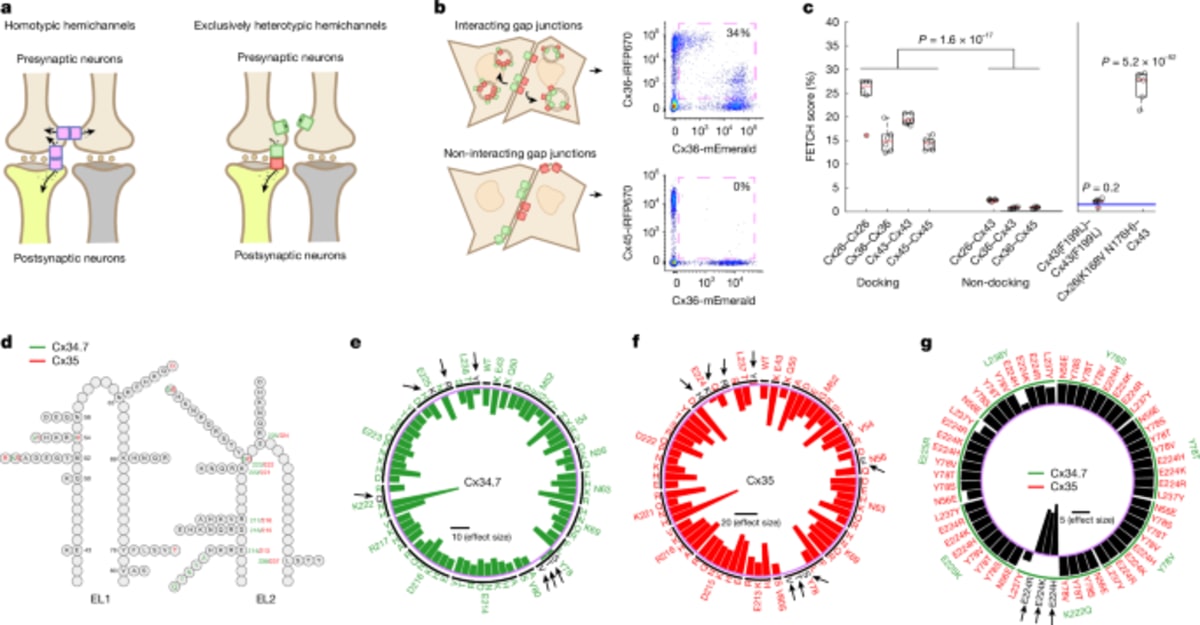
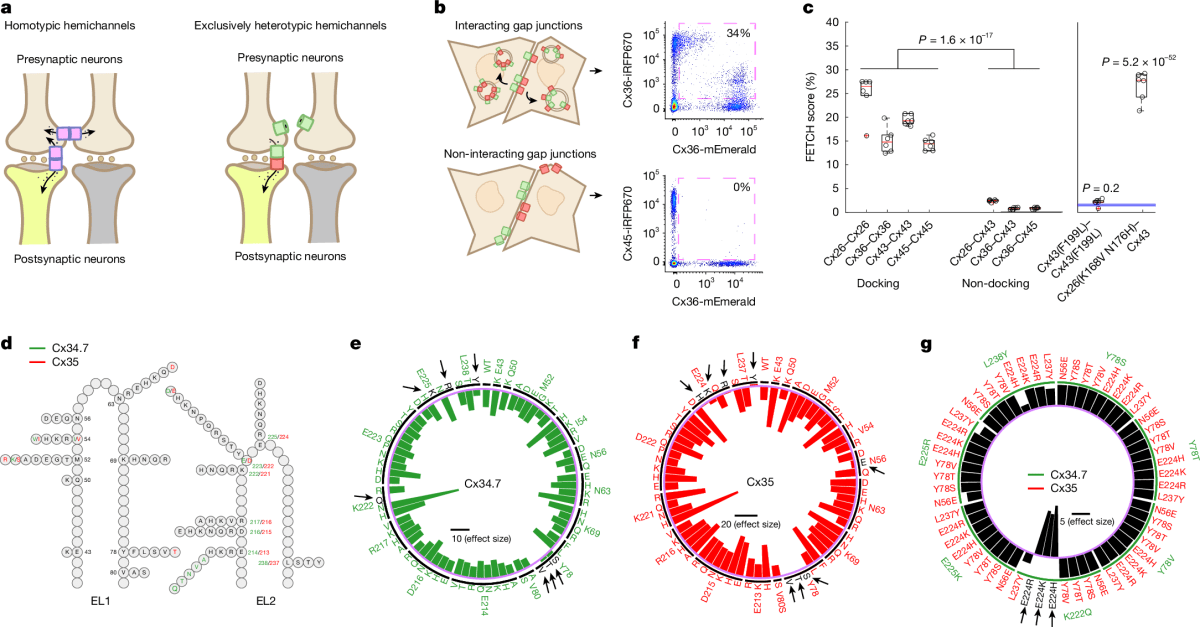
The researchers solved this by designing two partner proteins that only connect with each other, not with the brain's existing electrical connections. They named their technique LinCx, short for "long-term integration of circuits using connexins."
To prove it works, the team tested LinCx in both worms and mice. When they placed one partner protein in one type of brain cell and the other partner in a different cell type, the proteins found each other and formed working electrical bridges. The strengthened connections changed how the circuits functioned and even modified animal behavior.
Why This Inspires
This discovery represents more than just a clever biological hack. It's a potential path toward healing brains that have been damaged by injury or disease.
Imagine a stroke patient who lost the ability to move their arm because certain brain circuits stopped working properly. Or someone with epilepsy whose brain cells fire in chaotic patterns. LinCx could theoretically help restore or rebalance these circuits by strengthening the right connections.
The approach also works long-term. Unlike drugs that wear off or devices that need batteries, these biological bridges become part of the brain's natural wiring. They're always on, always working, requiring no maintenance.
The research builds on earlier successes in simpler organisms like worms, where scientists have been editing neural circuits for years to change behavior and even restore function after deliberate damage. Now that same principle is moving into mammals, bringing it one step closer to human applications.
The team had to solve complex puzzles to make this work, including figuring out exactly which parts of the proteins needed to change so they'd ignore existing brain connections. They used computer modeling and lab testing to find the perfect design.
While human treatments remain years away, the successful tests in mice prove the concept works in mammalian brains. Each success in mice brings researchers closer to clinical trials that could help people with neurological conditions that currently have limited treatment options.
For now, LinCx is a research tool helping scientists understand how brain circuits work. But its future potential is inspiring hope for millions living with conditions once thought permanent.
More Images
Based on reporting by Nature News
This story was written by BrightWire based on verified news reports.
Spread the positivity!
Share this good news with someone who needs it