Scientists Extend Brain Recovery Window After Stroke
Researchers discovered how to keep brain cells healing for months after a stroke, potentially helping millions recover abilities they thought were lost forever. A new treatment sustained recovery even in the chronic phase when improvement typically stops.
For decades, stroke survivors faced a cruel deadline: recover quickly or live with permanent disability. But scientists just discovered how to extend the brain's natural healing window far beyond the typical few months.
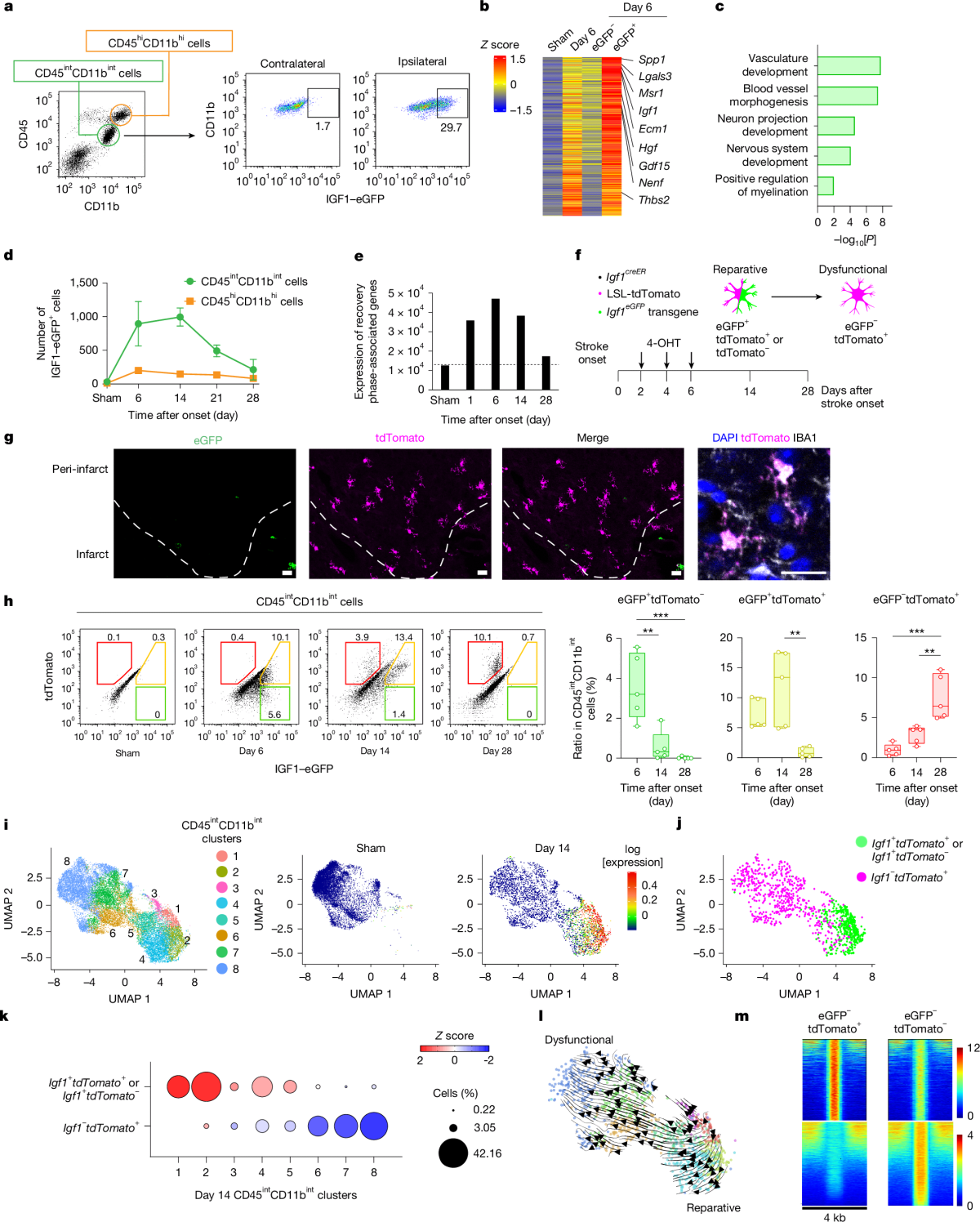
Researchers found that helpful immune cells called microglia stick around in the brain after a stroke but lose their healing powers over time. These cells want to keep repairing damage, but a molecular switch called ZFP384 turns off their recovery genes and transforms them into dysfunctional bystanders.
The discovery solves a mystery that has puzzled neurologists for years. Why does spontaneous recovery from brain injury grind to a halt after just a few months? Turns out the repair crew never leaves the job site; they just stop working.
Scientists developed a treatment using antisense oligonucleotides that blocks ZFP384, allowing microglia to maintain their reparative functions indefinitely. In studies, the therapy sustained broad neural repair effects and enhanced recovery even during the chronic phase of stroke when improvement normally plateaus.
The mechanism works by preserving YY1-mediated chromatin interactions necessary for recovery gene expression. When ZFP384 is silenced, microglia continue producing healing factors and supporting brain tissue regeneration long after the typical recovery window closes.
Human brain tissue analysis confirmed the findings. Researchers found an inverse relationship between ZFP384 expression and IGF1, a key recovery molecule, in the peri-infarct regions of stroke patients' brains.
The Bright Side
This breakthrough represents a fundamental shift in how we think about brain injury recovery. Instead of racing against a biological clock, patients might one day have months or even years to regain lost function.
The therapy doesn't just target one symptom. It preserves the microglia's entire toolkit of repair mechanisms, potentially helping with movement, speech, memory, and other functions damaged by stroke.
Stroke remains a leading cause of long-term disability worldwide, affecting millions of people annually. Most improvement happens within the first three to six months, leaving many patients with permanent impairments and limited treatment options.
This research opens the door to preventing the loss of what scientists call "reparative immunity," the beneficial restorative functions of immune cells. If successful in human trials, the approach could apply to other brain injuries and neurodegenerative conditions where healing tapers off too soon.
The discovery that reparative cells remain present but inactive suggests we've been looking at recovery all wrong. We don't need to create new healers; we just need to keep the existing ones working.
More Images
Based on reporting by Nature News
This story was written by BrightWire based on verified news reports.
Spread the positivity!
Share this good news with someone who needs it