Scientists Create Early Human Sperm Cells in Major Leap
Researchers successfully transformed human blood cells into immature sperm cells using stem cell technology and living mice. While mature sperm remain out of reach, this breakthrough opens new paths to understanding and treating male infertility.
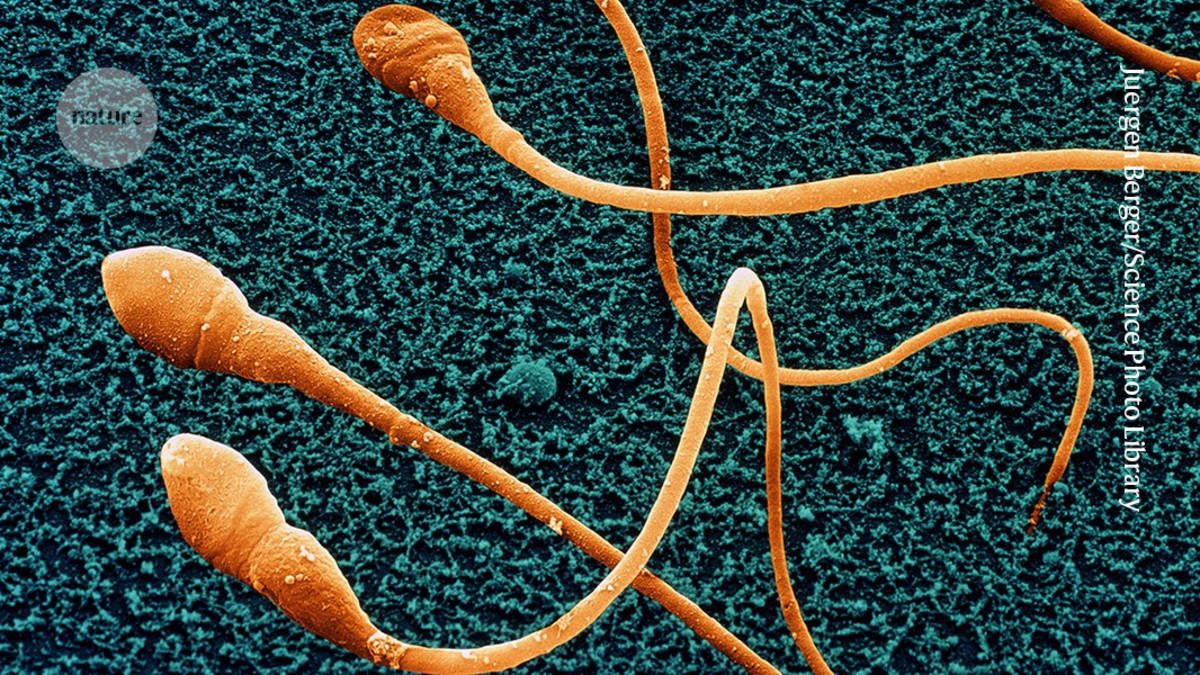
Scientists have moved one step closer to creating human sperm in the lab, a breakthrough that could unlock answers for millions of men facing unexplained infertility.
A research team at the University of Pennsylvania published results in Cell Stem Cell showing they successfully converted human blood cells into early-stage sperm cells called spermatogonia. The cells developed inside tiny pouches on mouse kidneys, where they organized themselves into structures similar to testicles.
The process sounds like something from a futuristic movie. Researchers collected blood cells and reprogrammed them into induced pluripotent stem cells, which act like embryonic cells that can transform into different cell types. They mixed these with supporting cells from mouse testicles, then transplanted the combination onto mouse kidneys where the tissues could thrive.
Six months later, the cells had developed into spermatogonia, an immature form of sperm found in human fetuses. While these cells haven't yet progressed to mature sperm, they represent the furthest scientists have advanced human sperm development in a laboratory setting.
Reproductive biologist Eoin Whelan, part of the research team, emphasizes they're approaching this from a basic science perspective. The immediate goal isn't creating babies but understanding why roughly 40% of male infertility cases have no known cause.
Previous research succeeded in creating mouse eggs and sperm from mouse skin cells. One team even produced offspring from two male mice. But translating these mouse successes to humans has proven extremely difficult because of differences in how species develop.
The researchers previously figured out how to convert human stem cells into early embryonic cells that give rise to eggs and sperm. Their latest work pushed those cells further along the developmental path by providing them the right environment inside living mice.
Why This Inspires
This research represents hope for countless families struggling with unexplained infertility. Understanding how early sperm cells develop could reveal what goes wrong in men who can't conceive, leading to treatments that don't exist today.
The work also demonstrates how patient, methodical science tackles problems that once seemed impossible. While questions about designer babies and genetic modification remain, the immediate focus stays on healing rather than engineering.
Each small step forward in understanding human reproduction brings researchers closer to helping people who dream of starting families but face biological barriers they never chose.
Whelan acknowledges the team remains far from clinical applications, but this progress matters. What seemed like pure science fiction is becoming reality, one carefully controlled experiment at a time.
More Images
Based on reporting by Google News - Science
This story was written by BrightWire based on verified news reports.
Spread the positivity!
Share this good news with someone who needs it