Scientists Create First Nuclear Clock, Breakthrough in Physics
Two research teams successfully built the world's first nuclear clocks, devices that could revolutionize timekeeping and unlock mysteries of the universe. These ultra-precise timepieces outperform today's best atomic clocks in certain measurements.
Scientists just took a giant leap forward in one of humanity's oldest pursuits: keeping perfect time.
Two independent research teams in Europe and China have successfully built the first working nuclear clocks, devices physicists have dreamed about for decades. Unlike today's atomic clocks that measure electron vibrations, these new clocks track changes in atomic nuclei, making them far less vulnerable to temperature shifts and environmental interference.
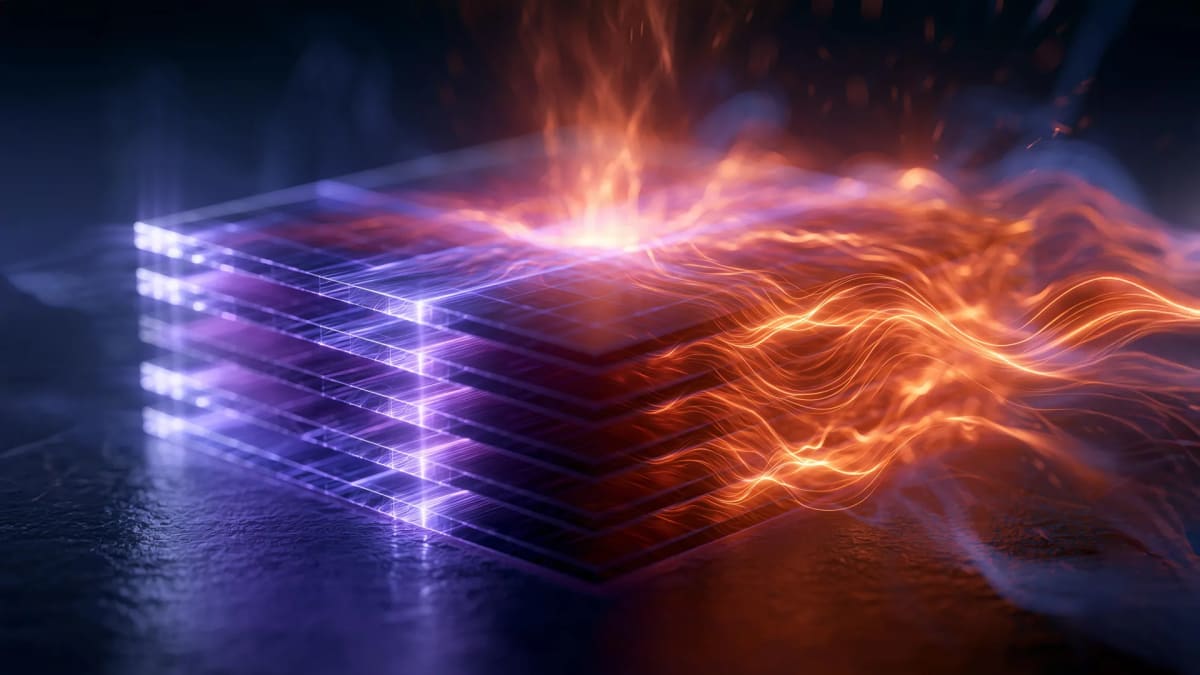
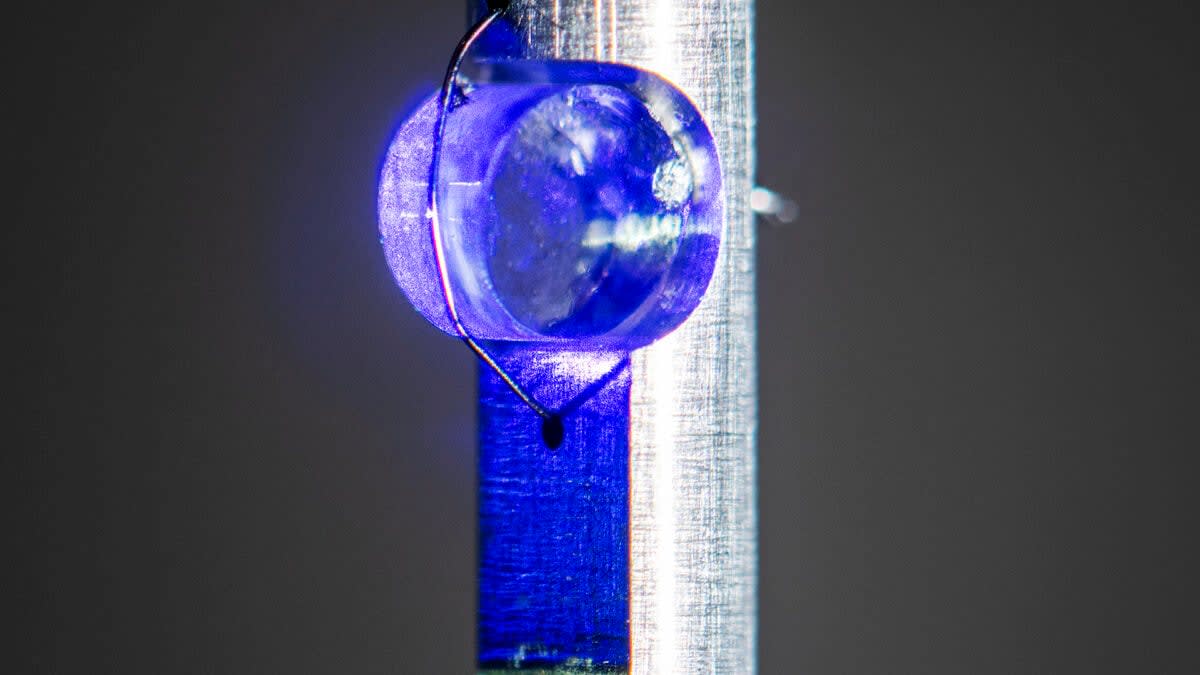
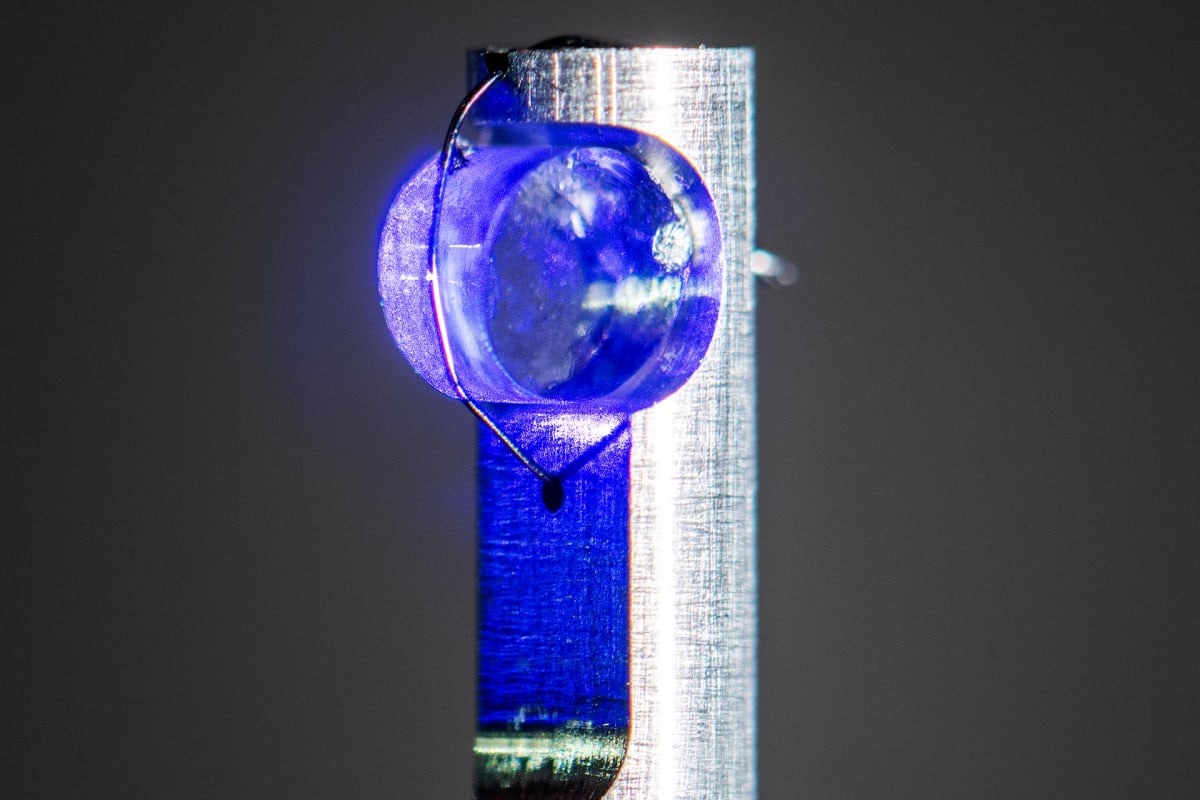
The breakthrough centers on thorium-229, an exceptionally rare element with unique properties. Scientists can use lasers to push its nucleus between two different energy states, creating ultra-precise "ticks" for timekeeping. Both teams embedded thorium-229 into calcium fluoride crystals and added a feedback loop to stabilize the clock's operations.
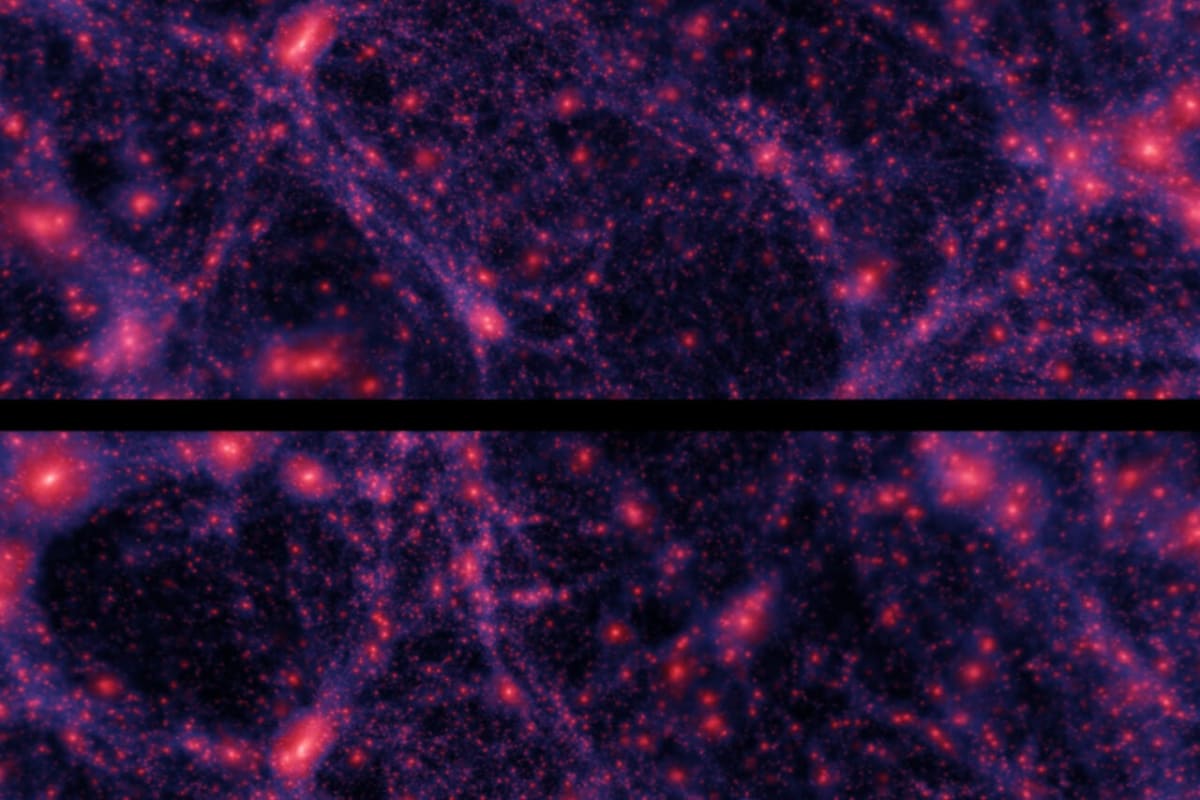
"This was the final missing step before calling it an actual clock," physicist Lars von der Wense from Johannes Gutenberg University Mainz told Science News. The European team immediately put their clock to work searching for ultralight dark matter, a mysterious substance that could explain cosmic puzzles scientists have wrestled with for years.
Thorsten Schumm, a physicist at TU Wien in Austria, reported that the nuclear clock already beats all atomic clocks in certain types of measurements. That's remarkable for technology still in its infancy.
The Ripple Effect
These clocks matter far beyond laboratory walls. Ultra-precise timekeeping powers the GPS navigation we use daily, keeps global communications synchronized, and maintains international time standards that modern life depends on. Better clocks mean more accurate navigation systems, stronger telecommunications networks, and more reliable internet connectivity worldwide.
But the real excitement goes deeper. Nuclear clocks could test the fundamental laws of physics in ways never before possible. Since atomic nuclei are 10,000 times smaller than atoms, they're governed by different physical rules. Watching how nuclear clocks behave over time might reveal whether the laws of nature themselves change, opening doors to entirely new physics.
The technology should advance rapidly as laser and crystal manufacturing improves. What took decades to achieve in theory became reality in just months of focused experimentation. The European team's earlier work from 2024 and 2025 laid crucial groundwork, and both teams built on research stretching back years.
While the clocks are still in early stages, they're already outperforming expectations. The solid-state platform using crystals means future versions could be compact enough for everyday use, not just massive laboratory equipment.
Scientists now have a powerful new tool for exploring the universe's deepest mysteries while simultaneously improving technology that touches billions of lives every day.
More Images

Based on reporting by Google News - Science
This story was written by BrightWire based on verified news reports.
Spread the positivity!
Share this good news with someone who needs it