Scientists Create Genetic Map to Save Soybean Harvests
Researchers have built the first genetic library of soybean's biggest threat, a microscopic pest that costs farmers $1.5 billion yearly. This breakthrough could help farmers choose the right seeds and develop new ways to protect their crops.
A team of scientists just handed soybean farmers a powerful new weapon against their costliest enemy.
Researchers at the University of Illinois have created the first comprehensive genetic map of the soybean cyst nematode, a microscopic worm that destroys at least $1.5 billion worth of crops every year. The breakthrough opens the door to helping farmers fight back against a pest that's been winning too often.
The problem is serious. This tiny nematode is soybean's single biggest threat, and the plants' best defense has been failing. Soybeans can naturally resist the pest, but the nematodes keep evolving new ways to attack.
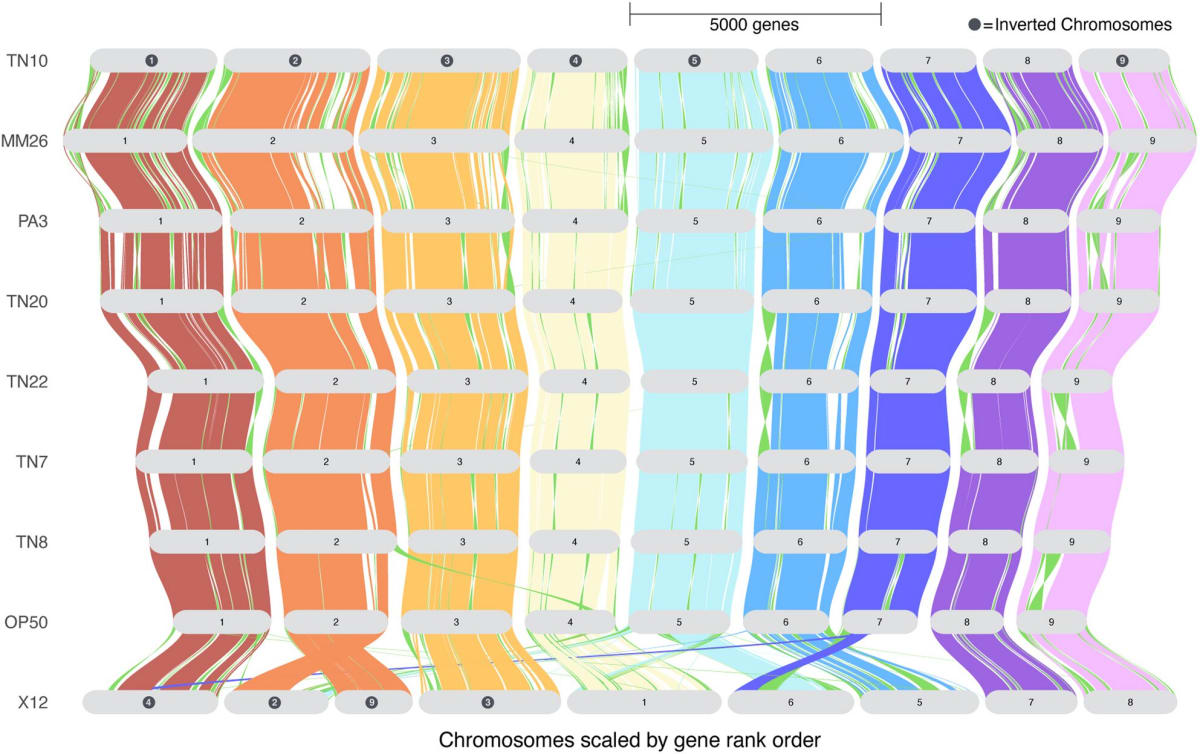
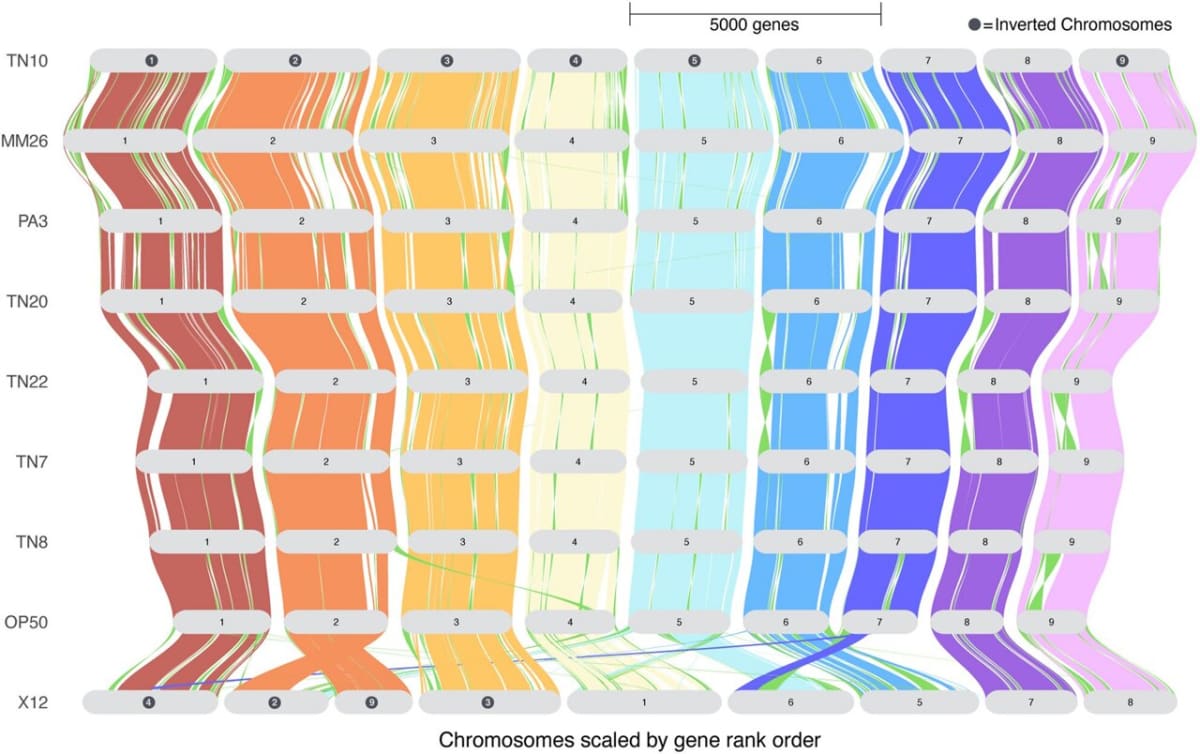
Professor Matt Hudson and doctoral student Lucas Borges dos Santos built what scientists call a pangenome by mapping the genetics of nine different nematode populations. Think of it like creating a complete photo album of a species instead of relying on just one snapshot.
Getting to this point wasn't easy. The nematodes spend their lives either inside plant roots, swimming in soil, or locked inside eggs with shells so tough they can survive for decades. Previous methods of extracting DNA involved freeze-drying and crushing the eggs into powder, but that shattered the genetic material into useless fragments.
The breakthrough came when researcher Kim Walden developed a special enzyme mixture that gently dissolves the egg shells while keeping the DNA intact. That innovation made the entire project possible.
The Ripple Effect
The genetic map reveals just how adaptable these pests are. Hudson compares the genetic differences between some nematode populations to the difference between humans and chimpanzees. That vast diversity explains why the worms can overcome soybean resistance so effectively.
But now farmers have a path forward. The pangenome helps scientists understand exactly which virulence genes the nematodes use to attack different soybean varieties. Soon, farmers may be able to test their soil and know precisely which resistant soybean type will work best in their fields.
The research team is already working on even more ambitious solutions. Hudson's group received a grant to explore releasing sterile nematodes into fields, similar to how scientists have controlled malaria-carrying mosquitoes. Instead of just defending against the pest, farmers might one day eliminate the most damaging populations before they strike.
Stephanie Porter from the Illinois Soybean Association calls the work a game-changer that strengthens the foundation for protecting harvests. After years of watching resistance fail, growers finally have hope for staying ahead of their billion-dollar problem.
More Images


Based on reporting by Phys.org
This story was written by BrightWire based on verified news reports.
Spread the positivity!
Share this good news with someone who needs it