Scientists Create Hexagonal Diamond 50% Harder Than Normal
Chinese researchers have successfully created a hexagonal diamond that's stiffer, harder, and more resistant to damage than regular diamonds. After 60 years of attempts, this breakthrough could revolutionize manufacturing and industrial tools.
Scientists have finally cracked a puzzle that's stumped researchers since 1962: creating a hexagonal diamond that outperforms nature's toughest mineral.
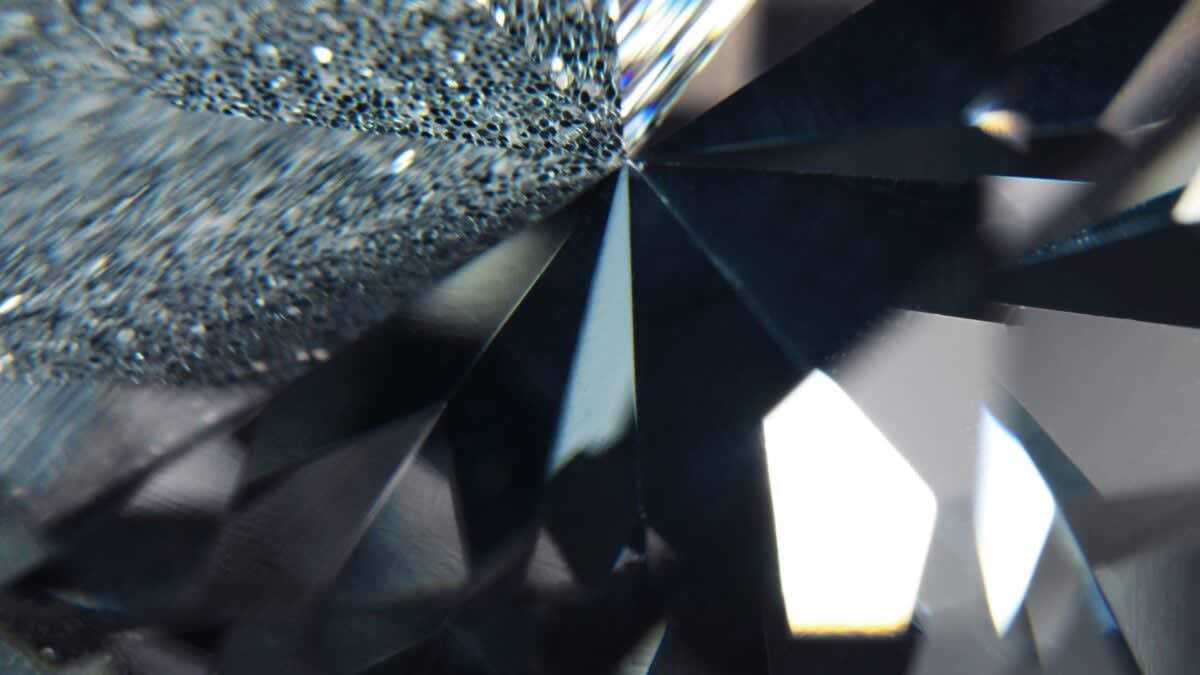
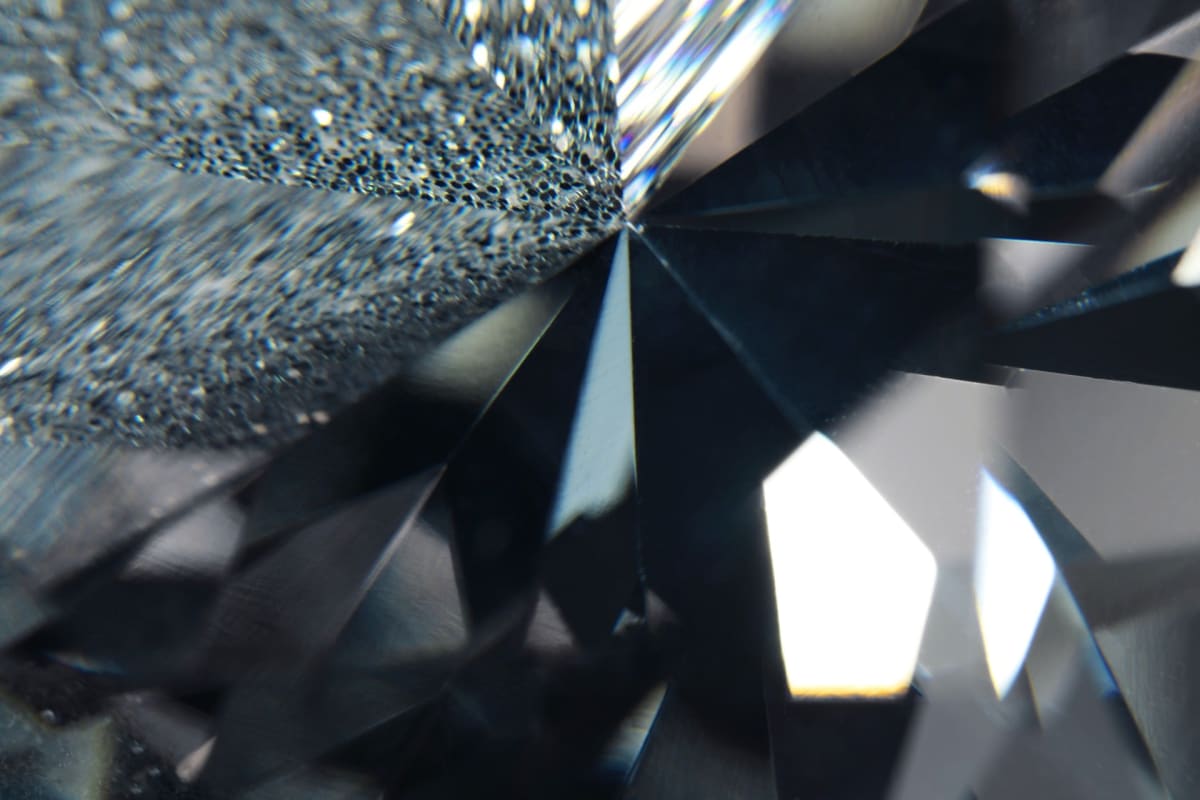
A team at Zhengzhou University in China successfully produced a millimeter-sized hexagonal diamond using a precise method of compressing graphite under extreme conditions. The diamond proved harder, stiffer, and more resistant to oxidation than the cubic diamonds we've known for centuries.
The breakthrough came from using highly oriented graphite squeezed between tungsten carbide anvils at 200,000 times atmospheric pressure and temperatures reaching 3,452 degrees Fahrenheit. The key was applying pressure from a specific angle, pushing down from the top rather than the sides.
Using X-rays and atomic-scale microscopes, the team confirmed their creation was genuine hexagonal diamond with minimal defects. Oliver Tschauner, a crystallographer at the University of Nevada who peer-reviewed the study, called it "the first very accurate characterization of this elusive material."
The journey to this moment spans six decades of false starts and controversy. In 1967, geologists claimed they found hexagonal diamonds inside a meteorite and named them lonsdaleite, but modern analysis later suggested those were just regular diamonds with unusual defects.
More recent attempts in the early 2020s created hexagonal diamonds that either lasted only nanoseconds or were too tiny to study properly. This new diamond, though still small at 0.04 inches across, is large enough and stable enough to test thoroughly.
The Ripple Effect starts in factories and workshops around the world. Regular diamonds already cut, grind, and drill in industrial settings where nothing else works. A harder, more durable version could make manufacturing more efficient and tools last longer.
Interestingly, two other research groups independently achieved similar results in 2025, though their X-ray evidence wasn't as clear. This reproducibility suggests the method works reliably, which is crucial for any practical application.
The hexagonal diamond wasn't quite 50% harder than regular diamonds as originally predicted, but it showed measurable improvements across multiple properties. Sometimes the real breakthrough is simply proving something can exist at all.
Diamond technology just leveled up, and the possibilities are only beginning to unfold.
More Images


Based on reporting by Google News - Science
This story was written by BrightWire based on verified news reports.
Spread the positivity!
Share this good news with someone who needs it