Scientists Create New Drug to Fight Rare Childhood Cancer
Researchers at UVA are developing the first new treatment in 40 years for Ewing sarcoma, a rare childhood cancer that desperately needs better options. The breakthrough targets a protein once thought impossible to treat.
For kids with Ewing sarcoma, the only treatment available has been the same harsh chemotherapy developed four decades ago. Now scientists at the University of Virginia are creating something entirely new.
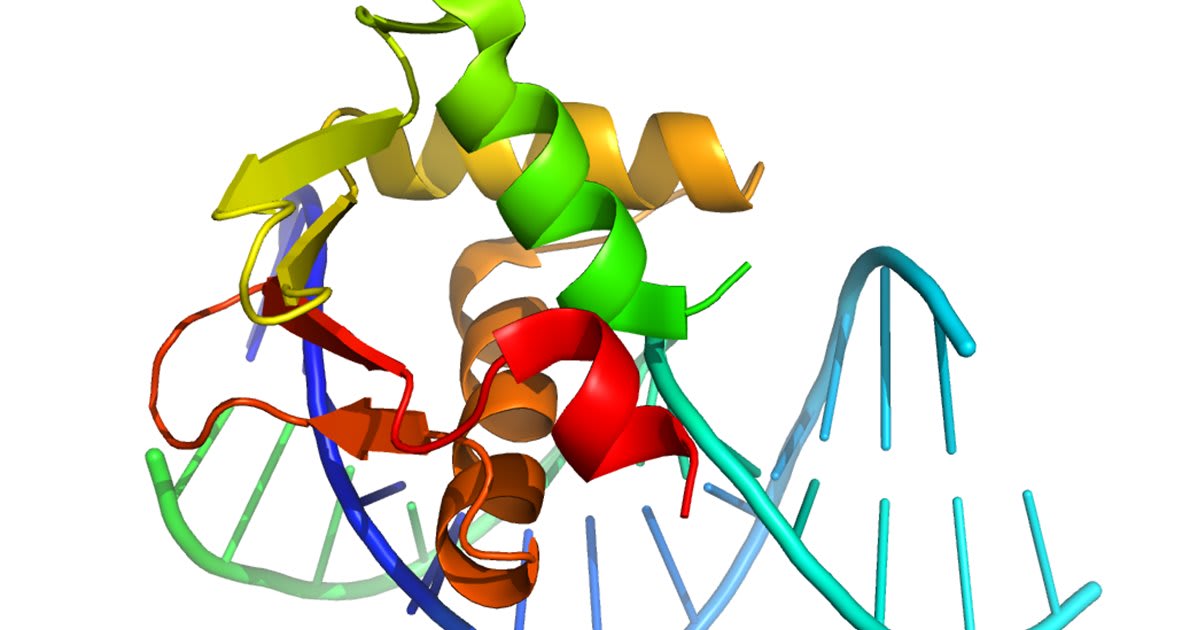
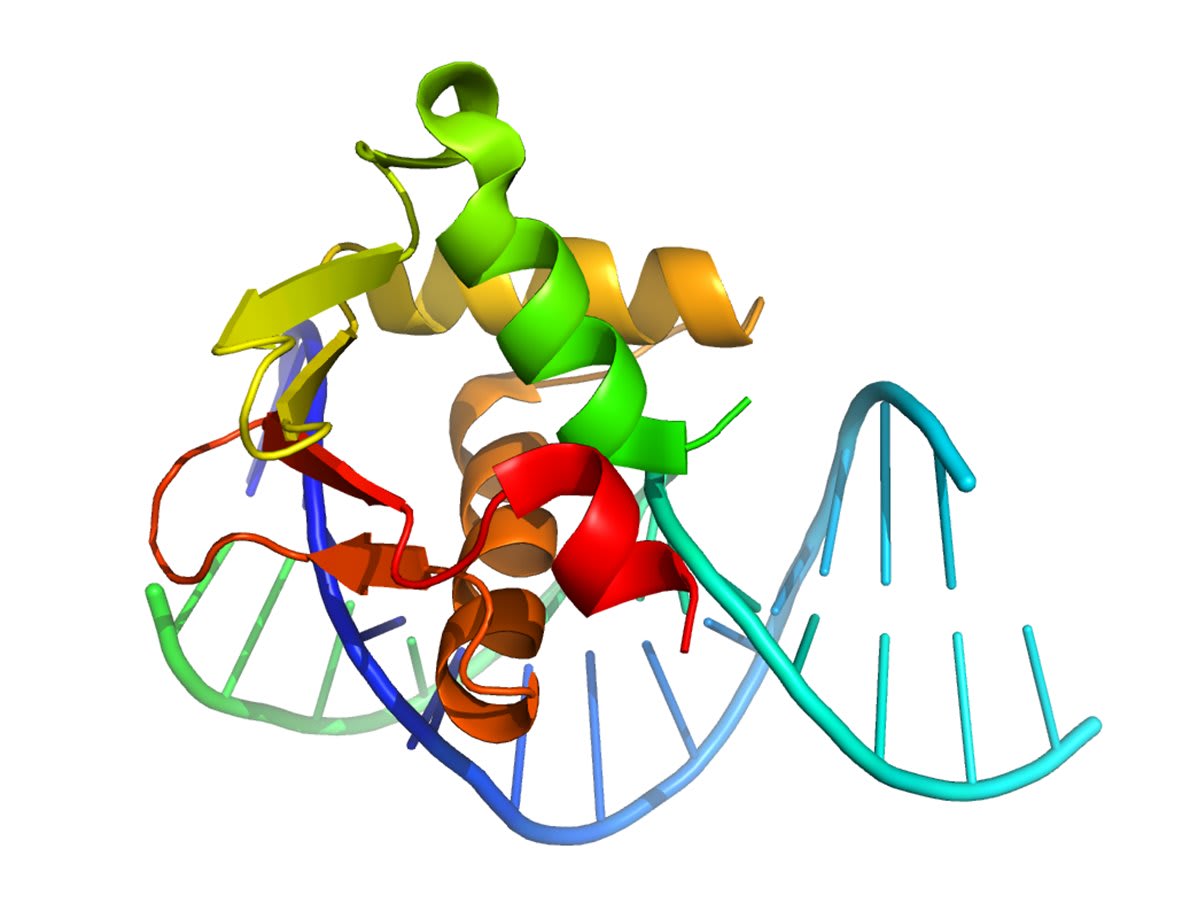
John Bushweller and his team are developing a drug that targets a specific protein called ETV6 that fuels Ewing sarcoma. When researchers reduced ETV6 levels in cancer cells during testing, the cells died. That breakthrough discovery means a new drug could finally give young patients better survival rates and fewer lifelong complications.
The stakes are incredibly high for these children. When Ewing sarcoma spreads beyond its original location, only 30% of kids survive five years. Even those who beat the cancer often face devastating long-term effects from current treatments including heart damage, neurological problems, and secondary cancers later in life.
What makes this research even more remarkable is that just a few years ago, most scientists believed targeting transcription factors like ETV6 was impossible. These proteins control thousands of other proteins in the body, making them seem too complex and risky to drug safely.
But recent successes in the lab have completely changed that thinking. Bushweller's team is part of a growing movement proving that transcription factors can be targeted effectively. They're working with C-Further, an international group dedicated to childhood cancer research, to turn their discovery into an actual medicine kids can take.
The new drug aims to kill cancer cells more precisely while causing less damage to healthy tissue. For families watching their children endure brutal chemotherapy and radiation, that precision could mean everything. Better immediate outcomes combined with fewer complications decades down the road would transform what it means to survive this cancer.
Rare childhood cancers face unique challenges that make progress painfully slow. Funding is hard to secure. Clinical trials struggle to find enough participants. Drug companies often skip developing treatments because the patient population seems too small to justify the investment.
The Bright Side
Every breakthrough in targeting transcription factors opens doors for treating other cancers too. The techniques Bushweller's lab is developing could eventually help researchers create better treatments for multiple types of childhood and adult cancers. What starts as hope for one rare disease often becomes hope for many.
The research is still in development, but the proof of principle is solid. When pharmaceutical companies see evidence that a new approach actually works, they're more likely to invest in bringing it to patients. That means this breakthrough for Ewing sarcoma could accelerate the timeline for getting other transcription factor drugs into clinics.
After 40 years of waiting, children with Ewing sarcoma may finally have reason to hope for something better.
More Images

Based on reporting by Google News - New Treatment
This story was written by BrightWire based on verified news reports.
Spread the positivity!
Share this good news with someone who needs it