Scientists Create Powerful Magnets Without Rare Metals
Georgetown researchers discovered a new class of strong magnets using common earth elements instead of rare metals, potentially transforming clean energy tech and electronics. The breakthrough could make everything from electric cars to smartphones more sustainable and affordable.
Your smartphone, electric car, and even MRI machines might soon run on magnets made from some of the most common materials on Earth instead of expensive, hard-to-find rare metals.
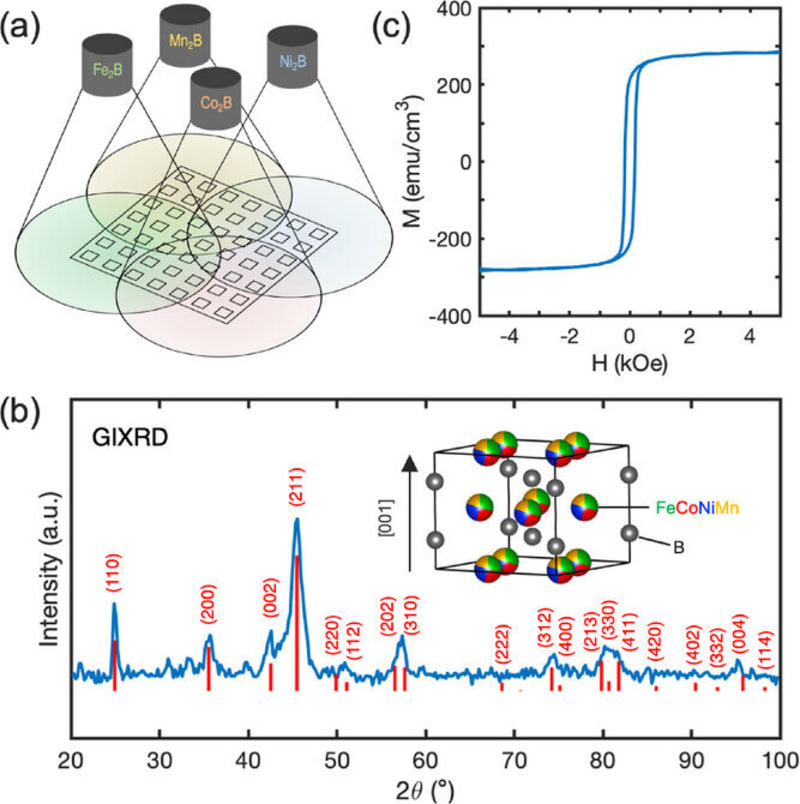
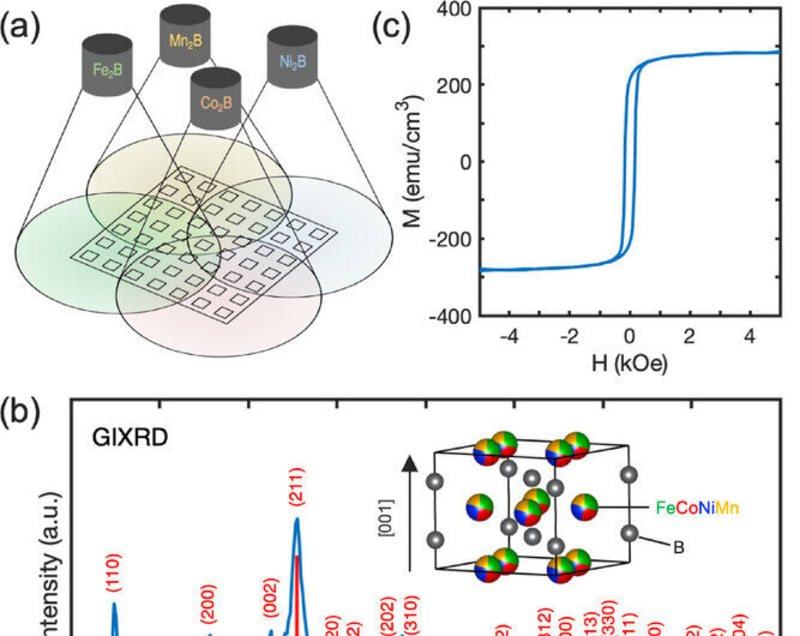
Researchers at Georgetown University just cracked a decades-old challenge in materials science. They created powerful magnets using iron, cobalt, nickel, manganese, and boron—all earth-abundant elements that sidestep the need for rare-earth metals entirely.
The discovery matters because today's strongest magnets depend heavily on rare-earth elements. These materials are expensive to extract, cause significant environmental damage during mining, and come primarily from a handful of countries, making supply chains vulnerable to disruption.
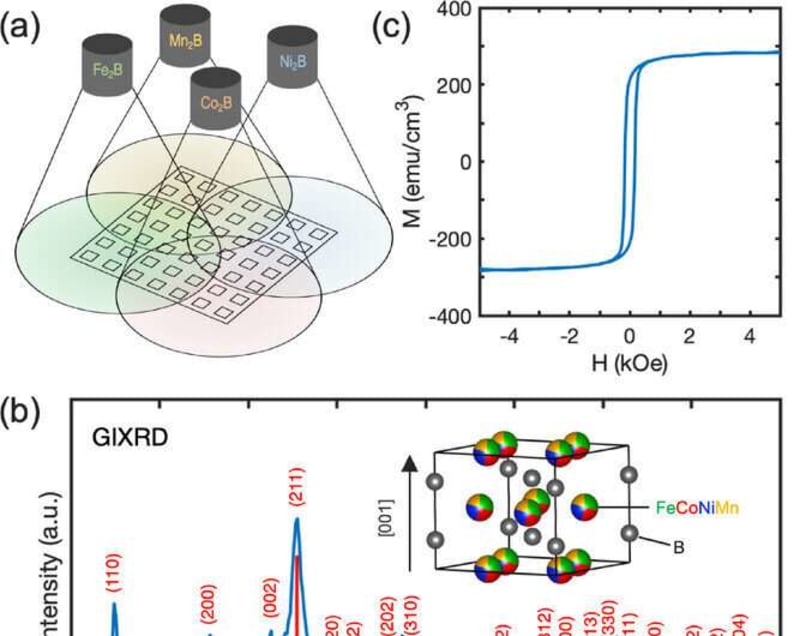
Professor Kai Liu and his team took a creative approach by working with high-entropy borides, materials that blend five or more elements in nearly equal amounts. By adding boron to the mix, they coaxed the atoms into a specific crystal structure that gives the magnets their strength.
Graduate student Willie Beeson developed a clever manufacturing method that let the team test about 50 different compositions simultaneously on a single substrate. This speed allowed them to rapidly explore which combinations worked best.
The results surprised even the researchers. Their best compositions achieved magnetic strength approaching that of rare-earth permanent magnets, setting records for rare-earth-free materials.
Computer simulations using density functional theory confirmed why the magnets work so well. The specific combination of elements creates an optimal electronic structure that strongly prefers magnetization in one direction, a key property for modern magnetic technologies.
The Ripple Effect
This breakthrough could reshape entire industries. Electric vehicle motors currently rely on expensive rare-earth magnets, driving up costs for consumers and manufacturers alike.
The new magnets could make clean energy technologies more accessible worldwide. Wind turbines, electric vehicles, and energy-efficient appliances all depend on strong permanent magnets to function efficiently.
Beyond environmental benefits, the discovery addresses national security concerns. Many countries lack domestic access to rare-earth elements, creating strategic vulnerabilities in everything from consumer electronics to defense systems.
The technology could also revolutionize data storage. Modern magnetic recording media uses platinum-iron alloys, but these new borides offer a precious-metal-free alternative that performs just as well.
Professor Gen Yin says the team is already exploring even better compositions using different crystal structures. They're bringing machine learning into the process to speed up discovery even further.
The magnets aren't just laboratory curiosities. The manufacturing method uses established techniques that industry already understands, potentially shortening the path from discovery to real-world application.
From the motors in robots to the hard drives storing your photos, magnets touch nearly every aspect of modern life. Making them sustainable and affordable opens doors to innovations we haven't even imagined yet.
More Images


Based on reporting by Phys.org
This story was written by BrightWire based on verified news reports.
Spread the positivity!
Share this good news with someone who needs it