Scientists Create "Remote Control" for Brain Circuits
Researchers have engineered the first artificial electrical connection that can strengthen specific brain circuits, opening doors to treatments for neurological conditions. This breakthrough lets scientists precisely edit how brain cells communicate without affecting surrounding tissue.
Scientists just created something that sounds like science fiction: a biological remote control that can strengthen connections between specific brain cells.
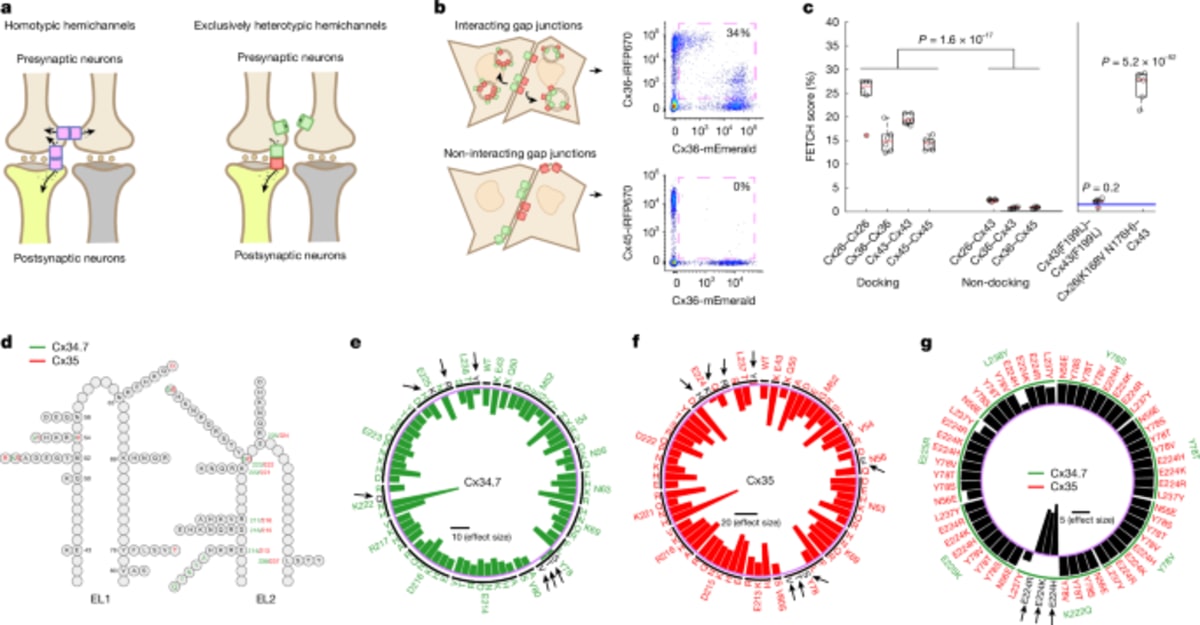
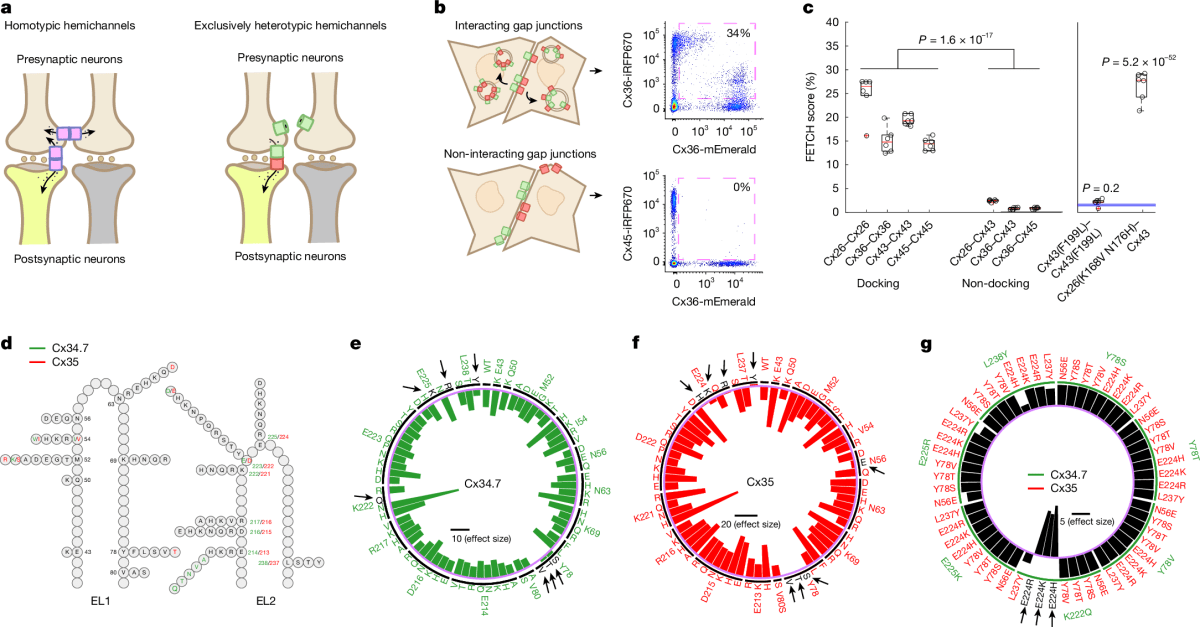
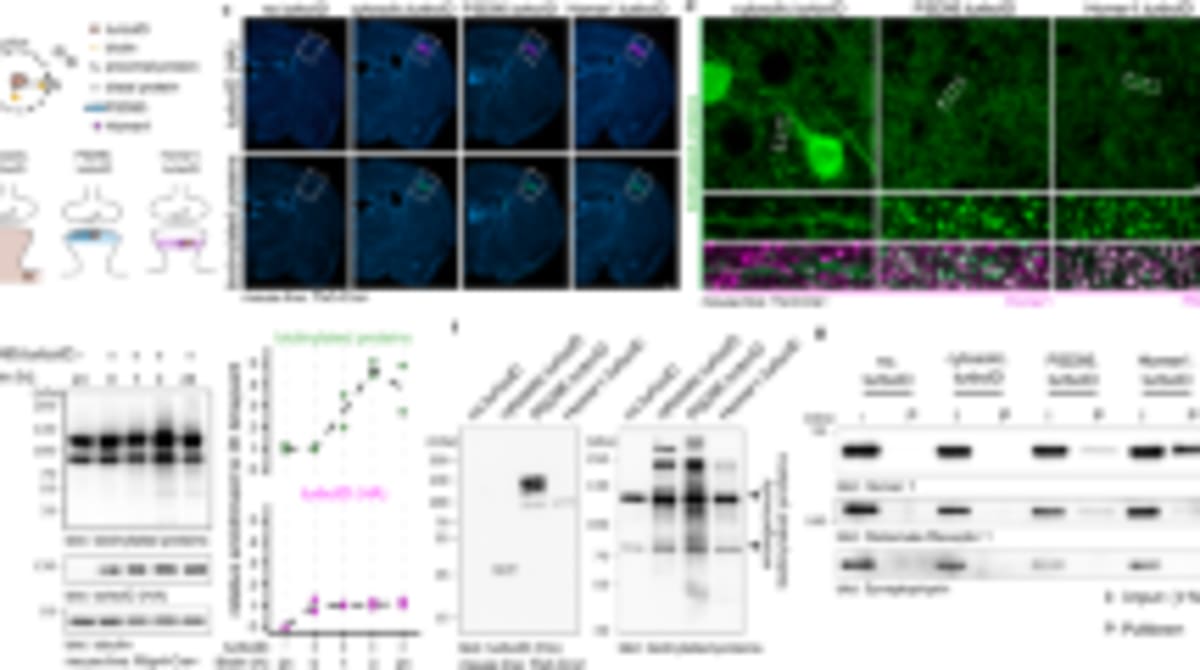
A team of researchers published their breakthrough in Nature, showing how they engineered an artificial electrical synapse that can selectively boost communication between different types of neurons. Think of it like installing a direct phone line between two specific offices in a massive building, without accidentally connecting to anyone else's conversations.
The innovation centers on proteins called connexins, borrowed from white perch fish. The team spent years testing and tweaking these proteins until they found a combination that creates connections only between the intended brain cells, leaving everything else untouched.
Traditional methods of modifying brain circuits often affect large areas at once, like using a sledgehammer when you need a scalpel. This new approach, which the team calls LinCx (Long-term Integration of Circuits using Connexins), offers unprecedented precision.
The researchers tested their invention in both worms and mice with remarkable success. They showed they could strengthen specific neural pathways and even change behavior by targeting just two connected cell types.
Why This Inspires
This technology could transform how we treat brain disorders. Conditions like epilepsy, chronic pain, and certain movement disorders involve specific circuits misfiring or failing to communicate properly.
Current treatments often involve medications that affect the entire brain, causing unwanted side effects. LinCx could eventually let doctors fix only the broken circuits while leaving healthy ones alone.
The team demonstrated that their engineered connections remain stable long-term, suggesting they could provide lasting benefits without repeated interventions. Early tests showed the modified circuits continued functioning properly weeks after installation.
What makes this especially promising is its versatility. Researchers can potentially apply this same approach to different brain regions and different types of neurons, customizing treatments for individual patients and specific conditions.
The path from laboratory breakthrough to human treatment will take years of additional research and safety testing. But the foundational work is now complete, and the possibilities are genuinely exciting.
We're witnessing the birth of precision neuroscience, where doctors might someday repair brain circuits as routinely as surgeons repair hearts today.
More Images
Based on reporting by Google News - Science
This story was written by BrightWire based on verified news reports.
Spread the positivity!
Share this good news with someone who needs it