Scientists Create Rewritable DNA Hard Drive for Data Storage
University of Missouri researchers have solved a major roadblock in DNA data storage by making it rewritable for the first time. This breakthrough could transform how we store everything from family photos to corporate archives in molecules smaller than a grain of sand.
Scientists just cracked a puzzle that could change how humanity stores information forever.
Researchers at the University of Missouri have developed the world's first rewritable DNA hard drive. Unlike previous DNA storage that locked data away permanently, this system lets you update and reuse it just like the device in your pocket.
The breakthrough addresses a real problem. Our world generates more data every day than all previous generations combined, and traditional data centers gulp down massive amounts of energy to keep it stored. Scientists have long known DNA could help because it's nature's original hard drive, but the technology has been stuck in read-only mode until now.
"DNA is incredible. It stores life's blueprint in a tiny, stable package," said Li-Qun "Andrew" Gu, the chemical engineering professor who led the research published in PNAS Nexus. "We wanted to see if we could store and rewrite information at the molecular level faster, simpler and more efficiently than ever before."
The numbers are almost hard to believe. All the world's data could theoretically fit into something the size of a shoebox when stored in DNA. That same information stays stable for thousands of years without needing power, and hackers can't remotely access molecules sitting in a vial.
Here's how it works. Just like computers use zeros and ones, DNA storage translates digital information into sequences of four chemical letters: A, C, G, and T. The Missouri team developed a method to encode data into these sequences, then erase and overwrite them repeatedly.
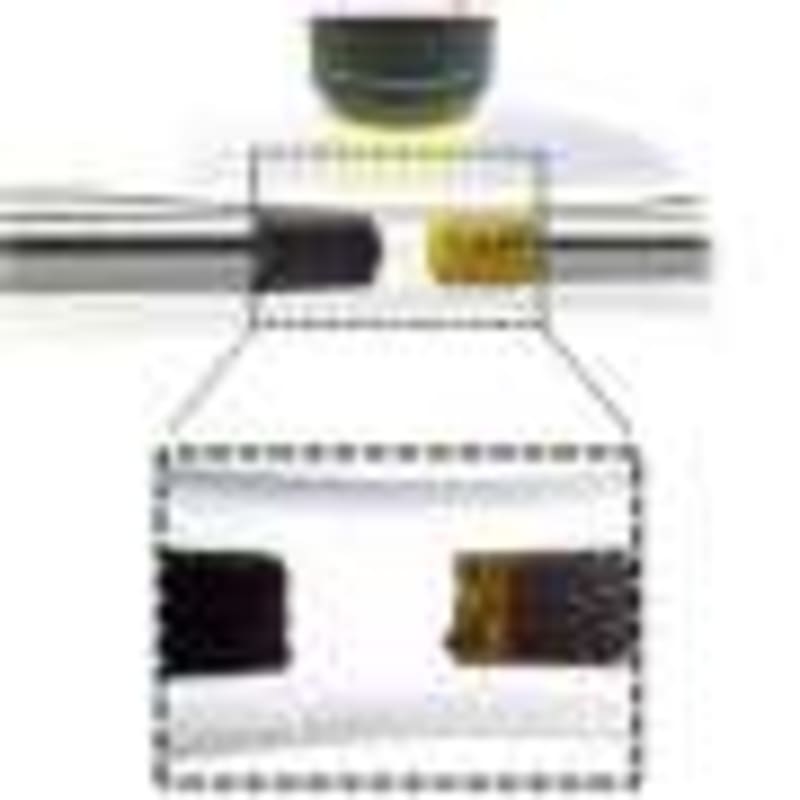
Reading the data back involves passing DNA through a tiny molecular detector called a nanopore sensor. As each strand moves through, it creates subtle electrical signals that software translates back into your original files.
The Ripple Effect
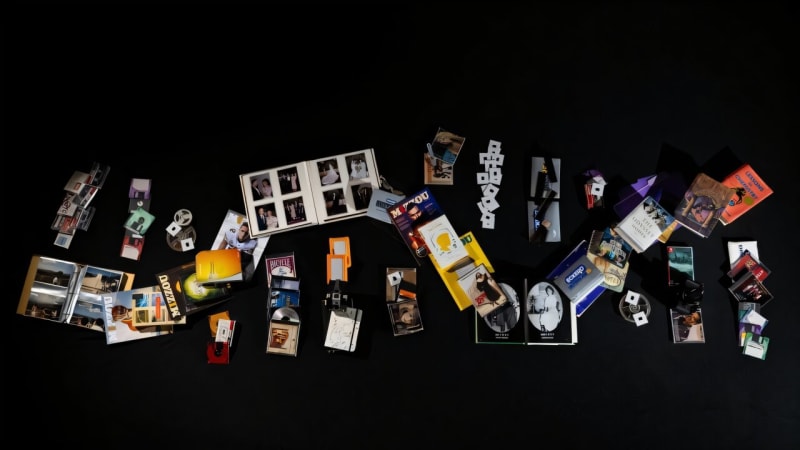
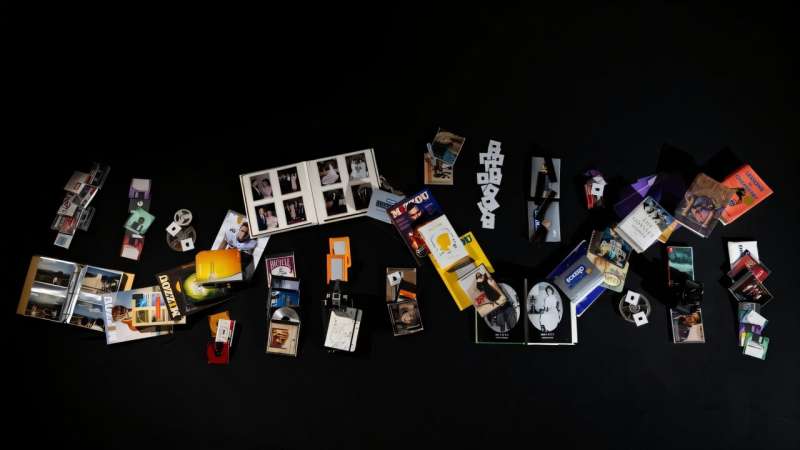
This technology could reshape entire industries. Medical facilities could store patient records for centuries without vulnerability to cyberattacks. Climate scientists could preserve irreplaceable research data in formats that outlast any current technology. Families could safeguard precious memories in storage that survives longer than any photo album or hard drive.
Gu envisions shrinking the entire system down to something about the size of a USB thumb drive. Unlike cloud storage that requires constant energy and internet connectivity, DNA storage sits secure and dormant until you need it.
The environmental impact matters too. Traditional data centers consume roughly 1% of global electricity and generate heat that requires even more cooling energy. DNA storage needs almost no power once the information is written.
Other research teams worldwide are racing to perfect DNA storage, but Missouri's rewritable system represents a crucial leap forward. The ability to update stored information transforms DNA from an interesting archive solution into something people could actually use every day.
Your digital life might soon fit on something smaller than a grain of rice, last longer than stone tablets, and use less energy than a nightlight.
More Images

Based on reporting by Phys.org - Technology
This story was written by BrightWire based on verified news reports.
Spread the positivity!
Share this good news with someone who needs it