Scientists Create 'Super HGF' to Repair Aging Muscles
Researchers in Japan have discovered a sulfur compound that supercharges the body's natural muscle repair system, making it twice as powerful. The breakthrough could help millions maintain strength and independence as they age.
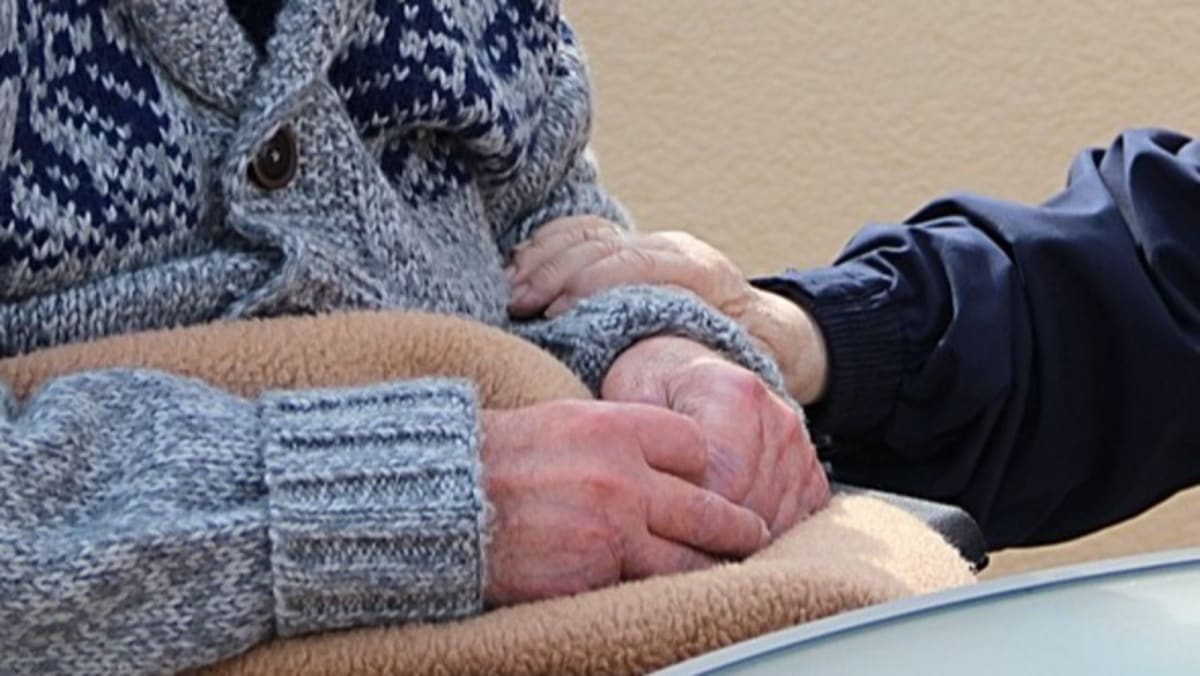
Getting older doesn't have to mean getting weaker, thanks to a discovery that could transform how our muscles repair themselves.
Scientists at Kyushu University have identified a compound called LASSS that protects and supercharges a crucial protein responsible for fixing damaged muscle tissue. The discovery offers hope for preserving strength and mobility well into our later years.
The research centers on hepatocyte growth factor, or HGF, a protein that acts like an emergency repair crew for skeletal muscle. When muscle gets injured or stressed, HGF springs into action, telling stem cells to wake up and rebuild the damage.
But aging throws a wrench in this repair system. As we get older, HGF undergoes chemical changes that prevent it from doing its job properly. Professor Ryuichi Tatsumi compares damaged HGF to a rusted key that no longer fits its lock.
His team tested two sulfur based compounds to see if they could protect HGF from this damage. Both showed promise, but LASSS delivered a stunning surprise.
When mixed with HGF at the right concentration, LASSS didn't just protect the protein. It created what researchers now call "Super HGF," a version that binds to muscle repair receptors more than twice as effectively as normal HGF.
"This exceeded our expectations," Tatsumi said. The compound appeared to enhance the protein's structure, making it both more powerful and more resistant to age related damage.
The team confirmed their laboratory findings in living mice. Animals treated with LASSS before experiencing muscle atrophy showed significantly lower levels of protein damage compared to untreated mice.
The Ripple Effect
This discovery reaches far beyond the laboratory. The implications touch anyone who wants to maintain independence and quality of life as they age.
Muscle loss affects nearly everyone eventually, reducing strength, increasing fall risk, and limiting daily activities. A compound that preserves the body's natural repair mechanisms could help millions stay active, independent, and engaged in the activities they love.
The benefits could extend to people recovering from extended bed rest, surgery, or illness. Even companion animals like cats and dogs might benefit from the same approach.
The research team believes their findings may apply across multiple species, opening doors for both human medicine and veterinary care.
More studies are needed to confirm safety and effectiveness in aging animals and eventually humans, but the early results paint an encouraging picture of what's possible when we work with the body's existing repair systems rather than trying to replace them.
Strength and vitality in our later years may be closer than we think.
Based on reporting by Google News - Science
This story was written by BrightWire based on verified news reports.
Spread the positivity!
Share this good news with someone who needs it