
Scientists Create 'Super-Probiotic' to Boost Gut Health and Immunity
Researchers in Japan have developed an enhanced probiotic bacteria using an innovative, safe technique that could revolutionize gut health treatments. These "super-probiotics" adhere better to intestinal cells and strengthen immune responses, offering exciting potential for improving overall health through better digestive wellness.
In a heartwarming breakthrough for health science, researchers at Shinshu University in Japan have successfully created what they're calling "super-probiotics"—enhanced beneficial bacteria that could dramatically improve gut health and immune function for millions of people worldwide.
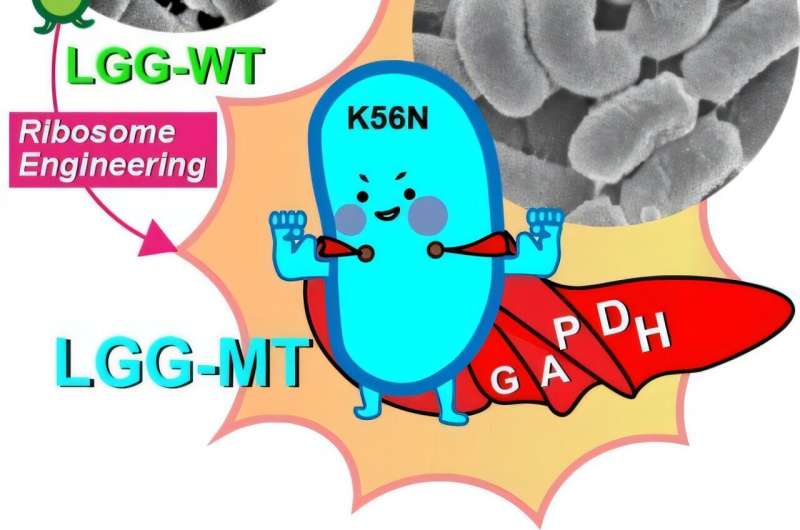
Led by Professor Takeshi Shimosato, the research team used an innovative technique called ribosome engineering to supercharge a well-known probiotic strain, Lacticaseibacillus rhamnosus GG. The exciting part? This method is inexpensive, rapid, and low-risk, making it an accessible option for developing better health products that could reach people everywhere.
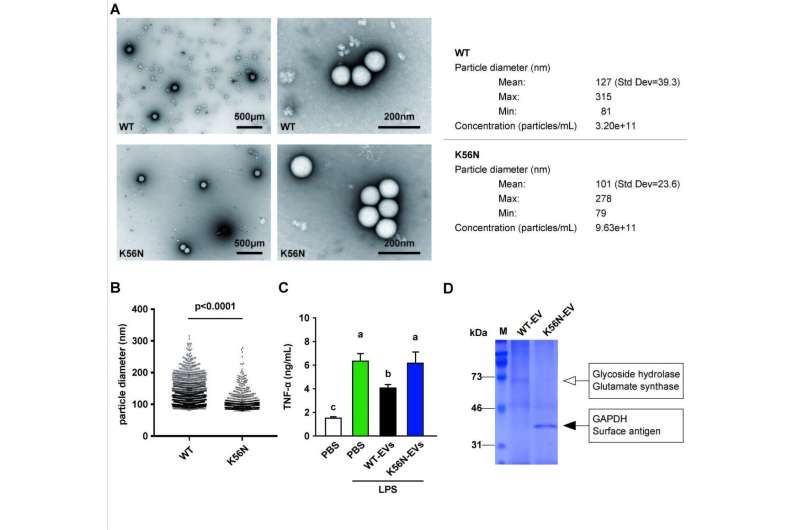
The enhanced bacteria showed remarkable improvements over their natural counterparts. These super-probiotics adhere twice as effectively to intestinal cells, meaning they're better at staying in the gut where they can work their magic. They also display increased amounts of beneficial proteins on their surface, including what scientists affectionately call "moonlighting proteins"—cellular proteins that multitask by performing additional helpful functions when they appear on the bacterial surface.
"There is a growing commercial and medical demand for probiotics that do more than just 'balance the gut'—we need strains that actively improve health outcomes," explains Professor Shimosato with evident enthusiasm for the project's potential.
The research represents wonderful news for anyone interested in digestive health and natural wellness approaches. For centuries, cultures around the globe have recognized the health benefits of fermented foods containing lactic acid bacteria. Now, modern science is catching up and finding ways to amplify these ancient health benefits.
What makes this development particularly exciting is the method used. Unlike genetic engineering, which faces regulatory hurdles for food use, ribosome engineering "wakes up" latent capabilities already present in the bacteria. It's like unlocking hidden superpowers that were there all along, just waiting to be activated.
The enhanced probiotics showed impressive immune-boosting properties in laboratory tests, triggering stronger immune responses that could help the body better defend against illness. The research team discovered that the modified bacteria had 23 distinct surface proteins compared to only five in the natural strain—a significant enhancement that translates to improved functionality.
Professor Shimosato and his collaborative team, including researchers from both Shinshu University and Tokai University, published their findings in the respected journal Microbiology Spectrum. Their work builds on previous successes with ribosome engineering in the pharmaceutical field, demonstrating how techniques from one area of science can beautifully cross-pollinate into others.
Looking ahead, these super-probiotics could transform how we approach gut health, offering more effective supplements and functional foods. They represent the next generation of probiotics—ones that don't just survive in the gut but actively work to enhance our health and wellbeing.
This research reminds us that scientific innovation continues to unlock nature's potential in wonderful ways. As our understanding of the gut microbiome grows, so too does our ability to harness beneficial bacteria for better health outcomes. For anyone seeking natural ways to support their immune system and digestive health, this breakthrough offers genuine hope and exciting possibilities for the future.
More Images

Based on reporting by Phys.org
This story was written by BrightWire based on verified news reports.
Spread the positivity! 🌟
Share this good news with someone who needs it
More Good News
 🧘 Health & Wellness
Brazilian Scientists Crack Code on Pig-to-Human Kidney Transplants
 🧘 Health & Wellness
Chinese Scientists Map 10M Immune Cells, Unveiling Surprising Human Diversity
 🧘 Health & Wellness
Manchester Researchers' Breakthrough Cuts Antibiotic Use, Saves Lives in Sepsis Care
Joke of the Day
Why don't scientists trust atoms?
Explore Categories
Quote of the Day
"The only way to do great work is to love what you do."
— Steve Jobs