Scientists Develop Tool to Clean Up 'Forever Chemicals
University of Rhode Island researchers created a breakthrough method to track and clean up toxic PFAS contamination that's been poisoning rivers for decades. Their new tool helps communities finally tackle pollution that could last over a century.
Researchers just handed communities a powerful new weapon against one of the toughest environmental threats we face.
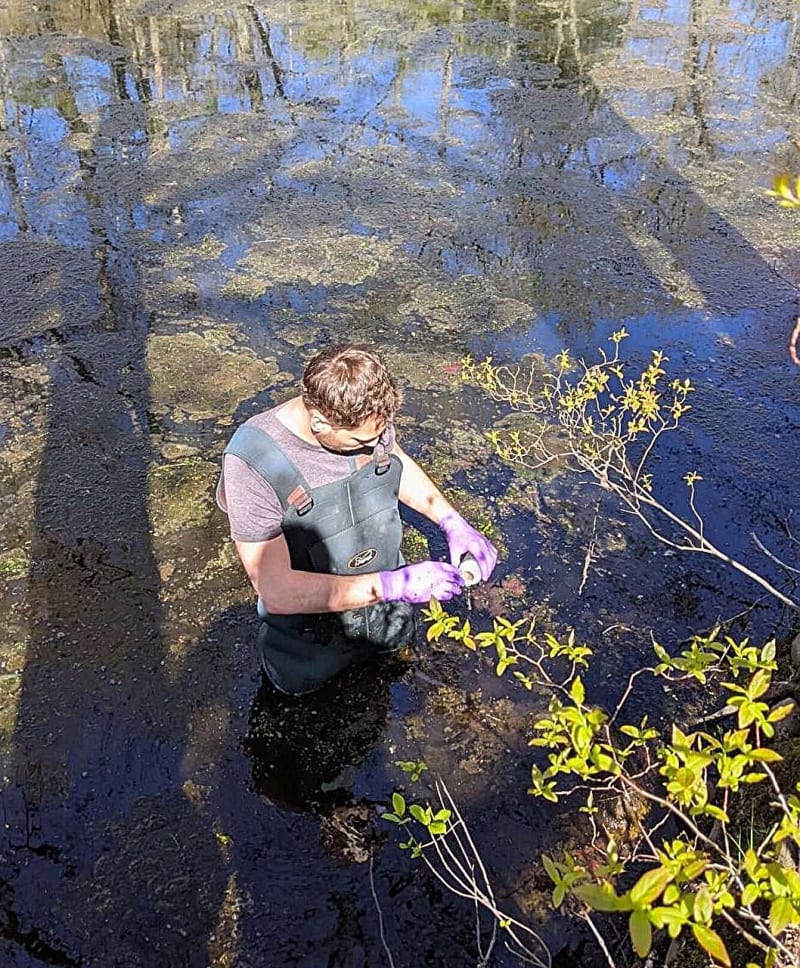
Scientists at the University of Rhode Island developed an innovative device that detects and measures PFAS contamination in rivers, offering hope to communities dealing with these stubborn "forever chemicals." Led by Dr. Jarod Snook, the team traced contamination in Rhode Island's Pawcatuck River back to old textile mill ponds that stopped operating decades ago.
The breakthrough centers on a passive sampling device Snook designed during his doctoral research. Unlike previous methods, this tool can measure how PFAS moves from contaminated sediments into water over time, giving regulators the precise data they need to plan effective cleanup efforts.
The research revealed that sediment at one Bradford pond could release PFAS into the river for more than 100 years without intervention. But here's where the story gets hopeful: knowing exactly where the contamination comes from and how it spreads means communities can finally tackle the problem at its source instead of watching it spread.
PFAS have been used in industry since the 1940s and don't break down naturally. They travel from inland rivers to coastal waters and oceans, accumulating in fish and potentially entering drinking water supplies.
The Ripple Effect
The team designed their research with other communities in mind from the start. By studying these well-documented Rhode Island sites, they created a transferable approach that can help towns across America and worldwide identify and address their own PFAS hotspots.
"Our method of assessing the site can be an example for many other PFAS-contaminated sites around the world," Snook explained. The research gives regulators everywhere a foundation to start planning effective solutions.
Rhode Islanders use the Pawcatuck River for recreation and fishing, making cleanup personally important to thousands of residents. The study, published in Environmental Science & Technology Water, provides state regulators with actionable data to protect both the environment locals cherish and the people who depend on it.
What makes this research particularly powerful is its timing. As PFAS concerns grow nationwide, communities finally have a proven scientific tool to measure contamination accurately and plan targeted remediation.
The team's work transforms an overwhelming environmental challenge into a solvable problem with clear next steps.
More Images


Based on reporting by Phys.org - Earth
This story was written by BrightWire based on verified news reports.
Spread the positivity!
Share this good news with someone who needs it