Scientists Discover 149 New Species in Remote Australian Waters
Researchers have catalogued 149 new marine species from seamounts near Australia's Christmas and Cocos Islands, including creatures never before seen by humanity. The discoveries offer hope for understanding and protecting our changing oceans.
Imagine finding 149 neighbors you never knew existed, all living thousands of meters beneath the waves in some of Earth's most remote waters.
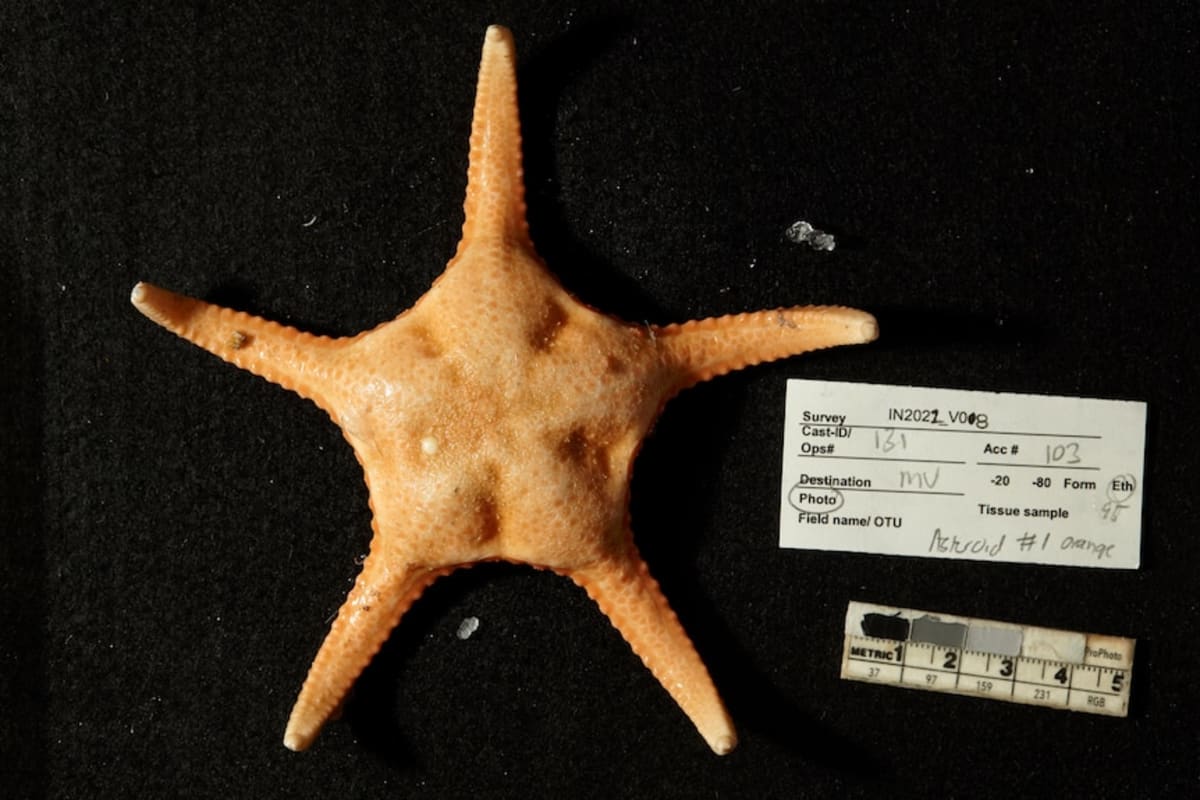
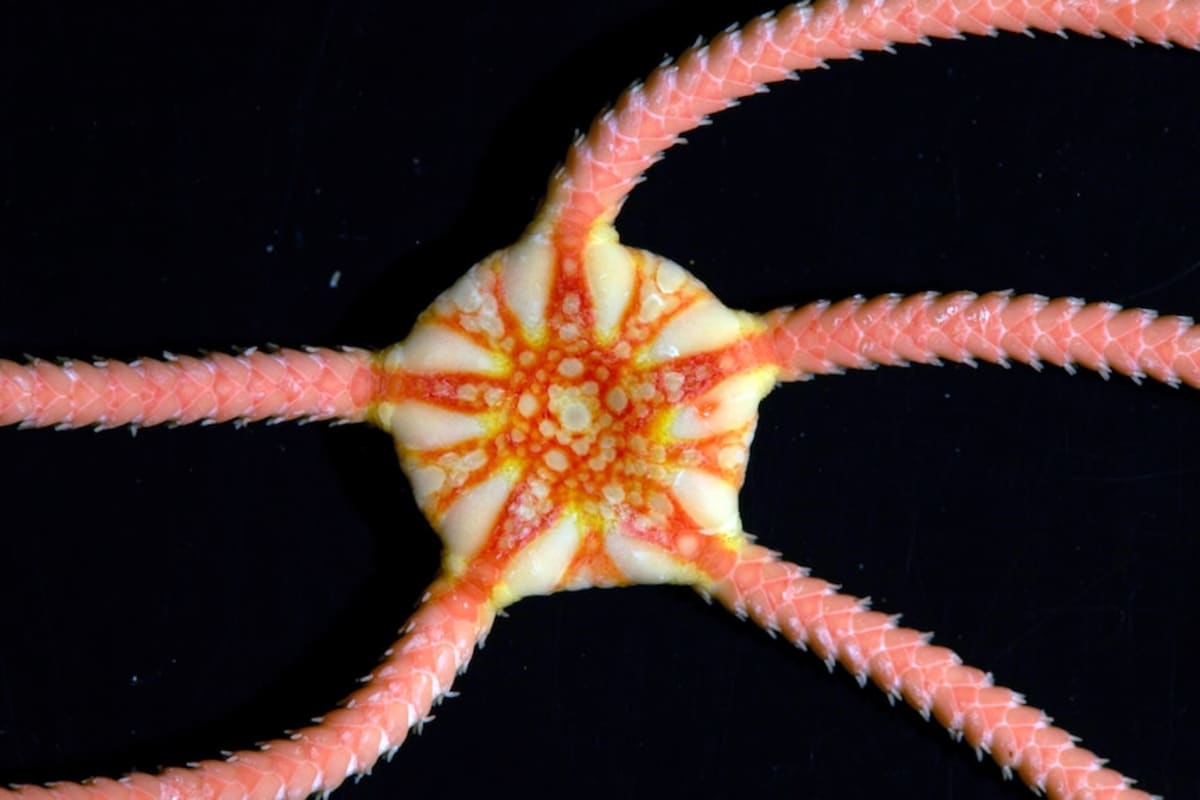
Scientists from Museums Victoria, CSIRO, and the Australian Museum have catalogued at least 149 new species from the waters surrounding Christmas and Cocos Islands, nearly 3,000 kilometers northwest of Perth. The bizarre creatures, from chunky sea stars to translucent worms, were collected during two voyages in 2021 and 2022 aboard the 94-meter research vessel Investigator.
The expedition explored 22 seamounts, massive underwater mountains that rise from the ocean floor. Using advanced sonar mapping and deep-sea collection tools, the team gathered over 1,000 specimens from depths reaching 5,000 meters below the surface.
Among the standout discoveries is a tiny worm named Bathyvermilioides juliebrocka, found nearly 5,000 meters down. Despite crushing pressure equivalent to 500 atmospheres, this millimeter-long creature builds a hard shell of calcium carbonate and extends feather-like tentacles that resemble a delicate flower.
"It's an incredibly important environment, and we know nothing about it," said jellyfish expert Claire Rowe, a co-author of the published findings. "Some of these specimens have been collected down to 5,000 meters below the surface. I can't even run 5ks."
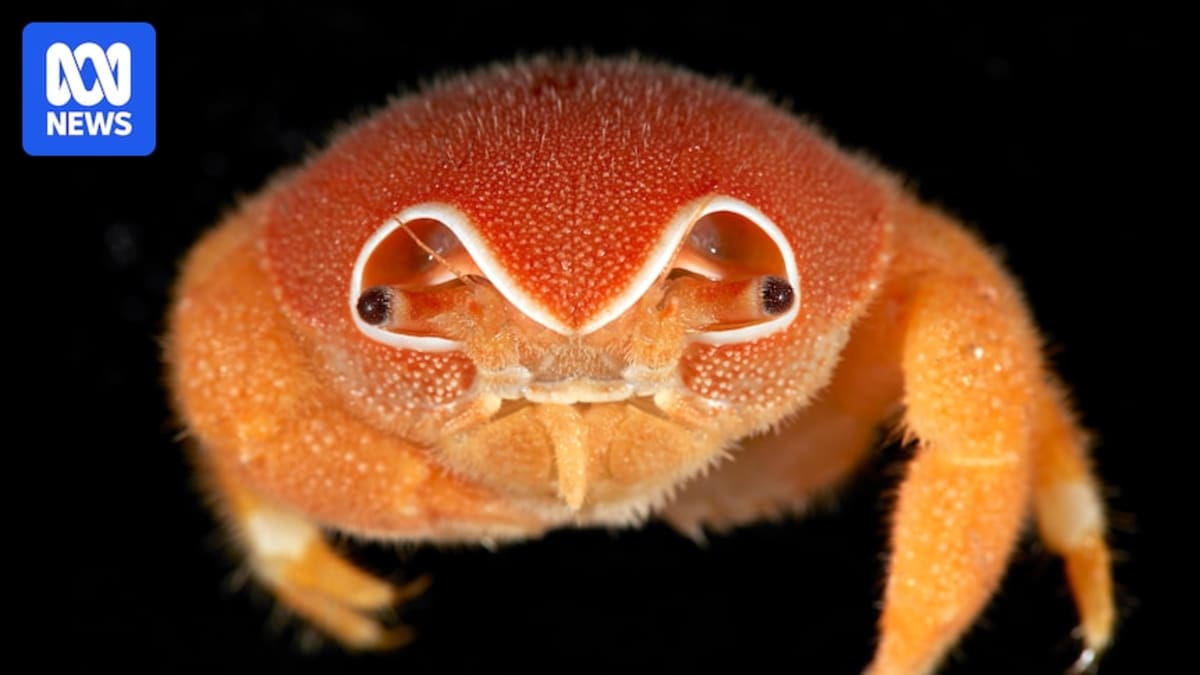
Other discoveries included brittle stars (the most abundant creatures found), sea cucumbers, greeneye fish, and even a sponge crab known for wearing marine invertebrates like a hat. Each species tells a story of adaptation to extreme conditions in near-total darkness.
The Ripple Effect
The research does more than expand our catalogue of ocean life. It provides crucial baseline data for managing two of Australia's most pristine and remote marine parks.
Parks Australia acting director Allyn White explained that this snapshot of deep-sea life will help scientists track changes over time. When researchers return years from now, they'll be able to measure exactly how these ecosystems are responding to climate change and other human impacts.
The seamounts themselves revealed an important secret about ocean life. Rather than developing in isolation as scientists long believed, these underwater mountains act as stepping stones, allowing deep-sea organisms to hop from one ecosystem to the next across vast distances.
Dr. Elena Kupriyanova, a deep-sea worm researcher on the voyage, found both unique species and surprisingly common ones scattered across different seamounts. This connectivity means protecting one seamount helps protect an entire chain of ocean habitats.
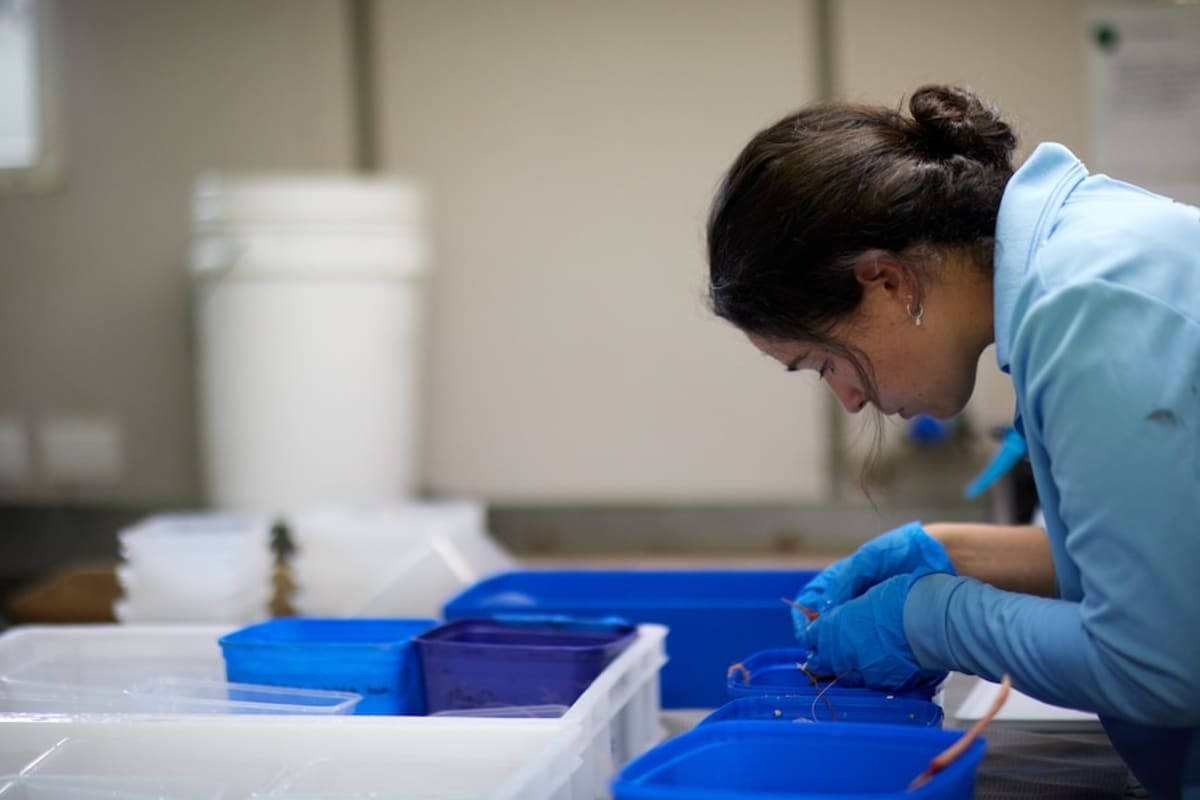
More than 400 collected species still sit on laboratory shelves, waiting to be described and named. The painstaking process requires genetic analysis and comparison against international databases, meaning discoveries from these two voyages will continue emerging for years.
"The more we find now, the more we can understand how some species may adapt, how some species may not," Dr. Rowe said, highlighting the urgency of cataloguing ocean biodiversity before it changes forever.
Every new species discovered is another reason to protect the mysterious world beneath our waves.
More Images

Based on reporting by Google News - Scientists Discover
This story was written by BrightWire based on verified news reports.
Spread the positivity!
Share this good news with someone who needs it