Scientists Discover 24 New Deep-Sea Species in Pacific
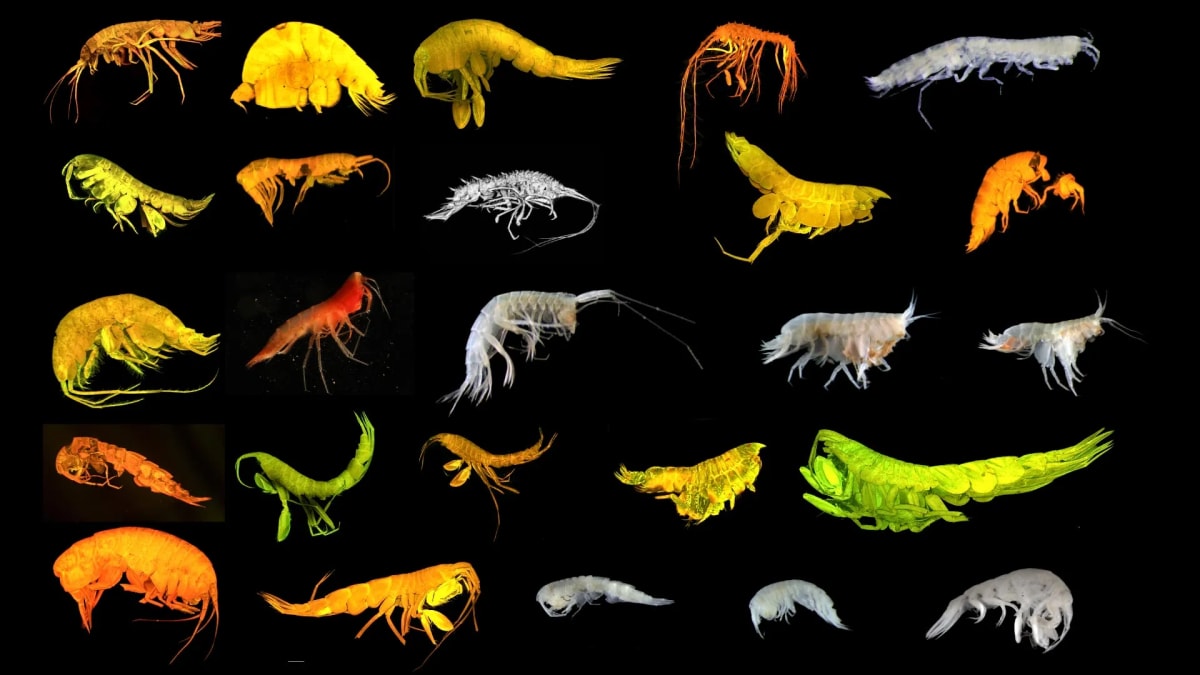
Researchers found 24 never-before-seen amphipod species in the Pacific Ocean, including an entirely new branch of life so rare it happens once in a generation. The discoveries bring us closer to understanding one of Earth's most mysterious ecosystems.
Deep in the Pacific Ocean between Hawaii and Mexico, scientists just uncovered 24 species that have lived in complete darkness for millions of years, unseen until now.
A team of 16 researchers gathered at Poland's University of Lodz in 2024 to study tiny crustaceans called amphipods collected from the Clarion-Clipperton Zone. This vast underwater region spans six million square kilometers and remains one of the least explored places on our planet.
The discoveries, published March 24 in the journal ZooKeys, include something truly special: a completely new superfamily of life. Finding a new superfamily is so rare that lead researcher Dr. Tammy Horton called it "a discovery we will all remember."
The team also identified two new genera and recorded several species living deeper than scientists thought possible. They created the first genetic barcodes for numerous rare species, giving future researchers crucial tools to protect these fragile ecosystems.
Dr. Anna Jażdżewska from the University of Lodz led the week-long workshop where early-career scientists worked alongside seasoned experts. Together, they described more than 20 new species in just one year, something that would have taken decades working separately.
Why This Inspires
More than 90% of species in the Clarion-Clipperton Zone still don't have names. Every creature scientists identify helps us understand what lives in this underwater world before we risk losing it.
The research supports the International Seabed Authority's goal to formally describe 1,000 new species by 2030. At the current pace of about 25 amphipod species described each year, scientists could catalog most amphipods in the eastern zone within a decade.
The naming process itself showed the human side of science. Dr. Horton named one species in the new superfamily after her daughter Maisie, who had waited years for this honor. Another researcher named a species Lepidepecreum myla after a video game character, noting that both "are just little arthropods trying to survive in total darkness."
One species got the name Pseudolepechinella apricity, meaning "the warmth of winter sun." Dr. Horton chose it to capture the February sunlight streaming into the Polish workshop as colleagues became friends.
This collaborative approach is changing how fast we can discover and protect ocean life, turning strangers into teammates racing to document Earth's hidden wonders before they disappear.
Based on reporting by Google News - Science
This story was written by BrightWire based on verified news reports.
Spread the positivity!
Share this good news with someone who needs it