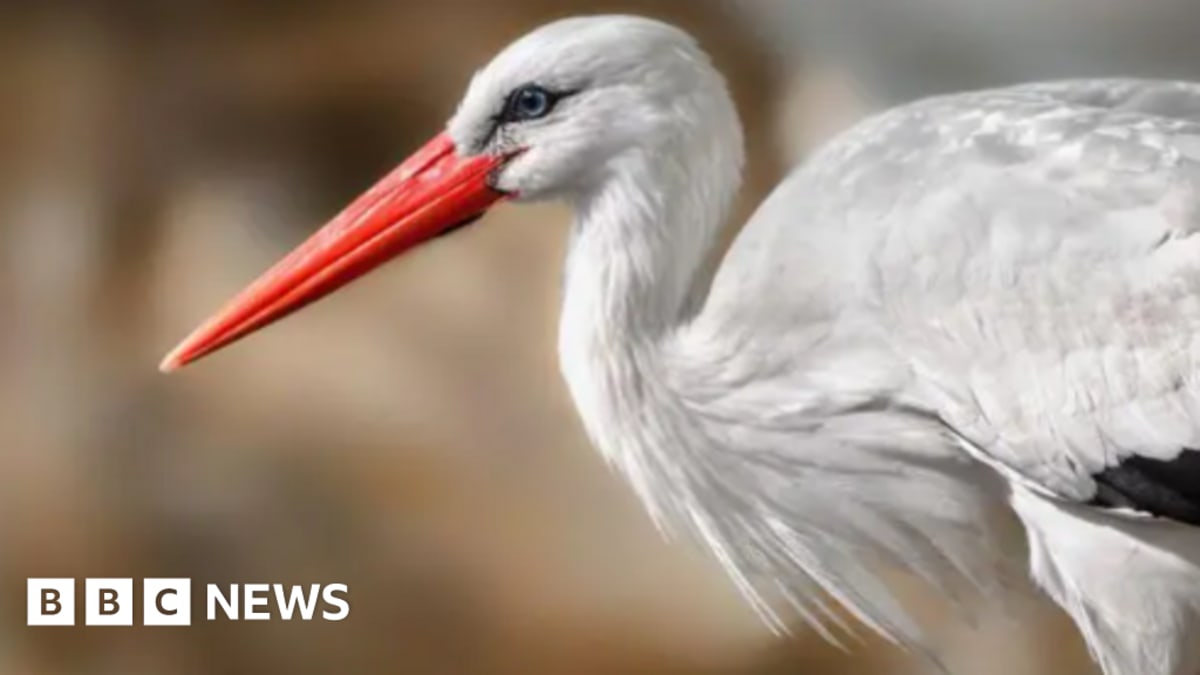
White Storks Return to Britain After 600 Years
After vanishing in the 1400s, white storks are making a comeback across Britain as researchers study how to bring them home for good. The effort could signal healing for the country's struggling wetlands and farmland ecosystems.
A bird missing from British skies for six centuries is finally coming home, and it could mean good news for an entire landscape.
White storks, once common across Britain before overhunting and habitat loss wiped them out in the 1400s, are being reintroduced at sites across the country. Now researchers want to know if the time is right to bring them back everywhere.
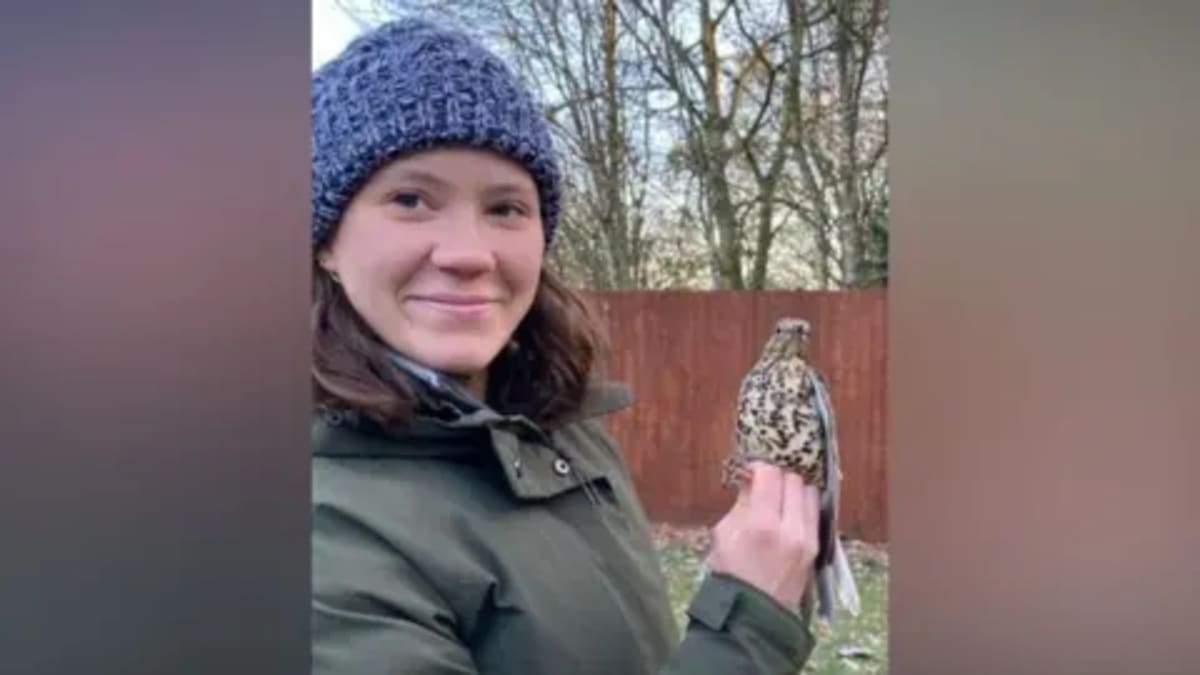
Sophie Rabone, an ornithologist and PhD student at Harper Adams University in Shropshire, is studying whether large-scale reintroduction is possible. She's asking farmers, landowners, and the public to weigh in on the idea through a new survey.
Small breeding populations already call a few locations home. Last June, 10 white storks were released in North Devon as part of a rewilding project. In December, plans were announced to establish a breeding colony in London's Eastbrookend Country Park in Dagenham for the first time in 600 years.
The stakes go beyond just one beautiful bird. Britain ranks as one of the most nature-depleted countries in the world, with decades of intensive agriculture, habitat loss, and urban sprawl taking a heavy toll on wildlife.
Rabone sees storks as a living barometer for ecosystem health. The birds thrive in wetlands and farmland, two habitats that have suffered the most damage in Britain.
The Ripple Effect
When storks return, they bring hope for countless other species struggling in the same habitats. Their comeback signals that the landscape is recovering, creating space for biodiversity to flourish again.
The research will examine how well white storks adapt to different environments across Britain. More importantly, it will gauge whether people who share the land with these birds support their return.
Rabone points out that increasing biodiversity doesn't just help animals and plants. Human populations living alongside restored ecosystems benefit too, from cleaner water to healthier soil to the simple joy of seeing nature thrive.
After 600 years of absence, white storks are teaching Britain that it's never too late to heal what was broken.
More Images

Based on reporting by BBC Science
This story was written by BrightWire based on verified news reports.
Spread the positivity!
Share this good news with someone who needs it