Scientists Discover 3 'Leaf-Planking' Mantis Species
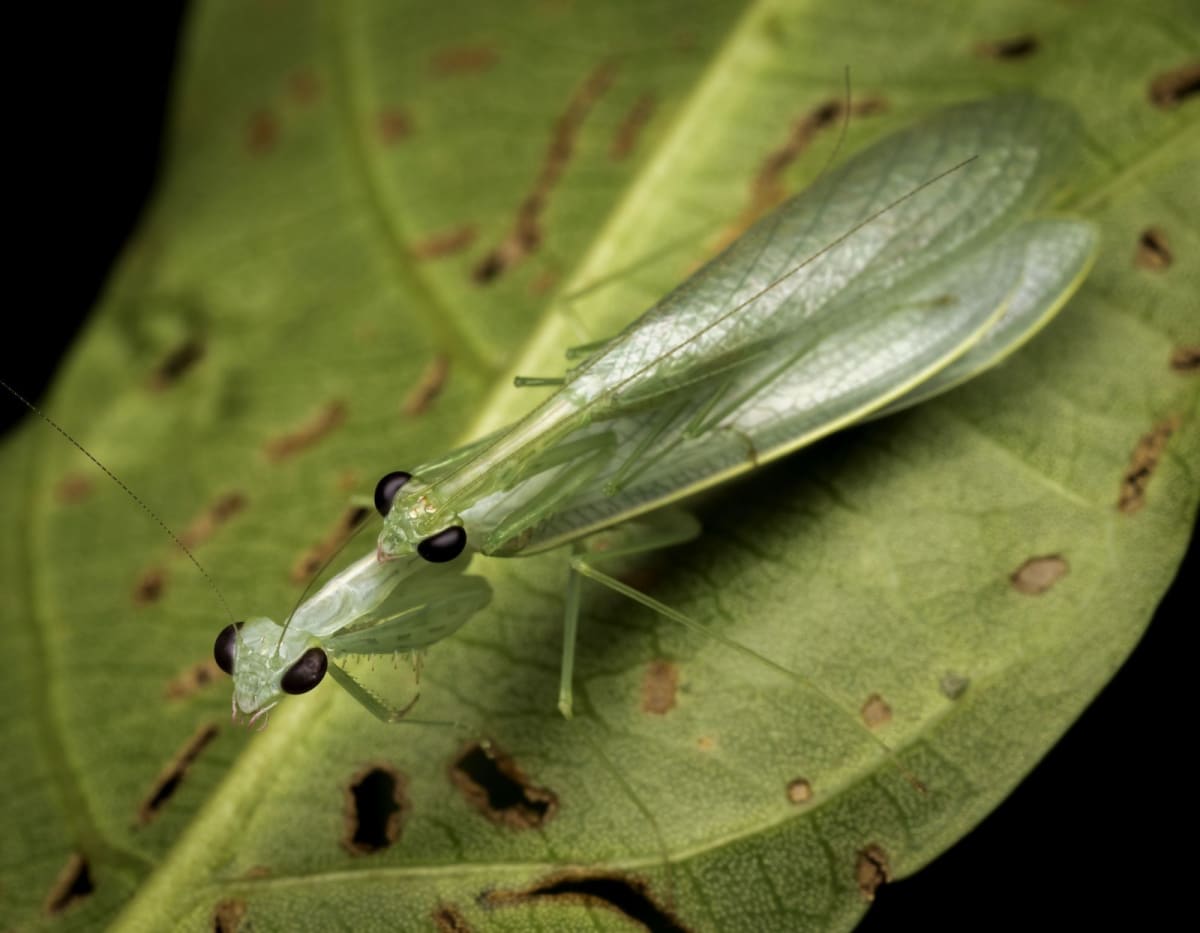
Researchers just identified three new species of praying mantises that flatten themselves against leaves like tiny camouflage experts. Two were found in Australia and one in Papua New Guinea, with help from everyday citizen scientists posting photos online.
Scientists have discovered three brand-new species of praying mantises that have mastered the art of disappearing in plain sight.
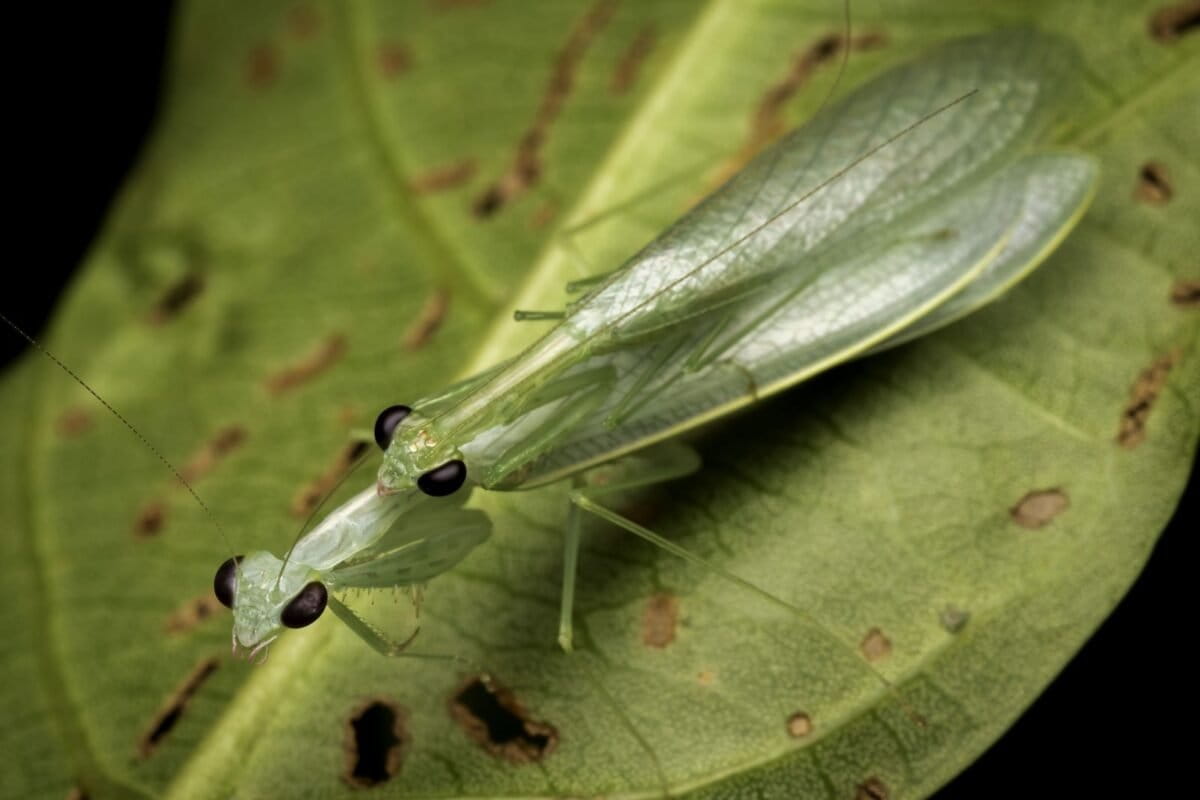
Matthew Connors, a Ph.D. candidate at James Cook University in Australia, led the team that identified these snake mantises, named for the serpent-like patterns decorating their wings. The insects are also called leaf-planking mantises because they press their bodies completely flat against leaves to hide from predators.
The mantises use a special sensory organ on their chest to help them flatten perfectly against surfaces. This camouflage strategy keeps them safe while they hunt flies and mosquitoes.
Before this discovery, scientists knew of only two Kongobatha species. Now there are five, including the newly named K. serpens, K. spinosistyla, and K. rufilinea.
Connors examined specimens from museums, private collections, and field research under a microscope. He focused on tiny spine-covered structures on the males' abdomens that may play a role in mating, though scientists still consider their exact purpose a mystery.
One species stands out as truly unique. K. spinosistyla has up to 60 spines crammed onto these tiny structures, more than any other mantis species in the world.
The researchers also discovered that K. papua, previously thought to exist only in Papua New Guinea, actually lives in Australia too.
The Ripple Effect
Everyday nature enthusiasts played a crucial role in this scientific breakthrough. The research team used photographs posted on citizen science platforms like iNaturalist to map where different species live and how they behave in the wild.
These crowdsourced observations revealed that K. serpens has become a suburban success story. The mantis appears frequently in gardens around Brisbane and Sydney and gets attracted to lights at night, suggesting it has adapted wonderfully to living alongside humans.
All four Australian species appear to be thriving in their habitats. The fifth species, K. rufilinea, presents a different challenge since scientists have only seen one specimen collected in Papua New Guinea over 50 years ago.
"We cannot protect what we don't know about, but I have hope that this species is still out there," Connors said. Formally naming and describing the species marks the crucial first step toward ensuring its survival.
The discovery shows how combining traditional research with modern citizen science creates powerful results for understanding and protecting the biodiversity hiding right in our backyards.
More Images


Based on reporting by Mongabay
This story was written by BrightWire based on verified news reports.
Spread the positivity!
Share this good news with someone who needs it